
Plants
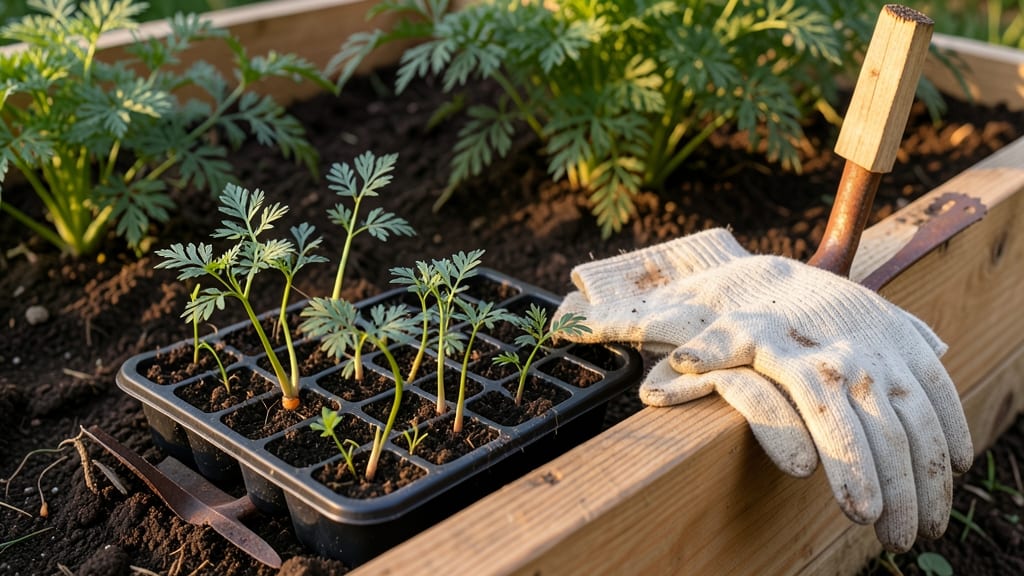
If you’ve ever planted 🥕 carrots in New York only to watch frost turn your hard work into mush—or summer heat turn them woody—you’re not alone.
The key to growing sweet, crisp roots lies in planting them at the perfect time, and in NY’s varied zones, that window is narrower than you think.
Here’s the secret: Spring planting starts March 15 (after the last frost) and wraps up by April 30, while fall planting kicks off September 1 and stretches to October 15.
These dates aren’t arbitrary—they’re based on NY’s frost-free timeline, which can shift dramatically from Upstate’s cooler Zone 5 to NYC’s milder Zone 8.
Why does timing matter so much? Because carrots are finicky about temperature—too cold, and they bolt; too hot, and they turn bitter. I’ll break down the exact frost-free schedule for your zone, plus soil prep tips to ensure your 🥕 carrots grow straight and sweet, not stunted or stringy.
Ready to avoid the most common mistakes? Let’s dive into the planting calendar that’ll give you a harvest from June to November, no matter where you garden in New York.
NY carrot planting calendar by Zone: best months to avoid frost & heat stress
New York’s diverse climate—from zone 5 in the Adirondacks to zone 8 in Long Island—means your carrot planting window varies by location. In colder zones, aim for early spring (March–April) and late summer (August–September) to dodge frost and heat stress.
Warmer zones like NYC can stretch planting into early October, but always check your local last frost date.
Carrots thrive in cool soil (50–65°F) and bolt when temperatures hit 80°F. Upstate gardeners should start seeds indoors in late February for transplanting after frost, while Long Island gardeners can sow directly in March. Fall planting? Wait until late August to avoid summer’s heat.
| Zone | Last Frost Date | Spring Planting Window | Fall Planting Window | Soil Temp Goal |
|---|---|---|---|---|
| 5 (Upstate) | April 15–May 1 | March 20–April 15 | August 20–September 15 | 50–60°F |
| 6 (Capital Region) | April 1–April 15 | March 25–April 30 | August 15–September 30 | 55–65°F |
| 7 (NYC) | March 25–April 10 | March 1–May 1 | August 1–October 10 | 60–70°F |
| 8 (Long Island) | March 15–March 30 | February 20–April 15 | July 15–October 15 | 65–75°F |
Pro tip: Use row covers to extend your spring window by 2–3 weeks in colder zones. For fall, plant cold-hardy varieties like ‘Nantes’ or ‘Danvers’—they tolerate light frosts and sweeten after frost. Avoid short-day varieties (like ‘Paris Market’), which bolt faster in summer’s long days.
Soil prep is critical. Carrots hate clay or rocky soil, which causes forked roots. Amend beds with compost or sand to loosen texture. Test your soil’s pH—carrots prefer 6.0–6.8. If your soil is too acidic, add lime in fall; if alkaline, work in sulfur or peat moss.
Direct sowing beats transplants for carrots. Scatter seeds ¼ inch deep in rows spaced 12–15 inches apart. Thin seedlings to 2–3 inches apart when they’re 2 inches tall—this prevents overcrowding and ensures straight roots. Use a seedling dibber or your finger to avoid disturbing the soil.
Watch for bolt-resistant varieties if you’re planting in summer’s heat. ‘Rainbow’ or ‘Solar Yellow’ carrots tolerate warmer temps better than standard varieties. For a continuous harvest, sow seeds every 2 weeks from spring to early summer, then repeat in fall.
This succession planting keeps your kitchen stocked with fresh carrots from June to November.
In zone 5, protect early spring plantings with frost cloth until soil warms. For zones 7–8, provide afternoon shade in July to prevent bolting. Mulch with straw to retain moisture and suppress weeds—carrots are shallow-rooted and compete poorly with grass or clover.
Remember: Carrots are biennials, meaning they store energy in their roots for a second-year bloom. If you leave them in the ground too long, they’ll flower and go to seed.
Harvest before first frost or dig up and store in sand or sawdust in a cool, dark place for winter use.
Need backup dates? If spring planting slips, use shade cloth to delay summer sowing until late July. For fall, don’t plant after September 15—roots won’t mature before frost. Plan ahead, and you’ll enjoy crisp, homegrown carrots all season long! 🥕
NY carrot planting calendar by Zone: best months to avoid frost & heat stress
New York’s climate varies wildly from the cool mountains of Zone 5 to the milder NYC Zone 8, which means your carrot planting window shifts dramatically. Upstate gardeners can start 2-3 weeks earlier than those in the city, where summer heat arrives faster.
The key is planting when soil temps hit 50°F (10°C)—any cooler, and seeds rot; any warmer, and roots bolt.
For all NY zones, aim for two planting windows: spring (March 15–April 30) and fall (September 1–October 15). Spring carrots thrive in cool weather, while fall varieties mature before frost.
In Zone 5 (Upstate), where frost lingers, push spring planting to April 1–15 to avoid late frosts, while Zone 8 (NYC) can extend fall planting to October 30 if using cold-hardy varieties.
| Zone | Spring Planting | Fall Planting | Soil Temp | Harvest Window |
|---|---|---|---|---|
| 5 (Upstate) | April 1–15 | September 1–15 | 50–65°F | June–July, Oct–Nov |
| 6 (Central NY) | March 20–April 30 | September 15–October 1 | 50–70°F | June–August, Oct |
| 7 (Long Island) | March 15–April 15 | September 1–October 15 | 55–75°F | May–July, Sept–Nov |
| 8 (NYC) | March 1–April 30 | August 15–October 30 | 60–80°F | April–August, Sept–Dec |
Pro tip: Use shade cloth (30–50%) in summer to protect seedlings from bolting. In Zone 5, cover young plants with row covers until soil warms to 55°F (13°C). For Zone 8, start fall carrots in August**—they’ll mature before frost hits.
Missed the spring window? No problem! Sow succession crops every 2 weeks in May–June for a continuous harvest. Just avoid planting after July 15 in most zones—summer heat turns carrots tough and woody.
For rocky NY soil, choose short varieties like 'Paris Market' or 'Little Finger' to avoid deformities. Loosen soil with a broadfork to 12 inches deep—carrots need room to grow straight!
Remember: Soil prep is half the battle. Test your soil’s pH (aim for 6.0–6.8) and amend with compost before planting. Sweet, crisp carrots start with the right timing and soil—now go dig in! 🥕