
Planting
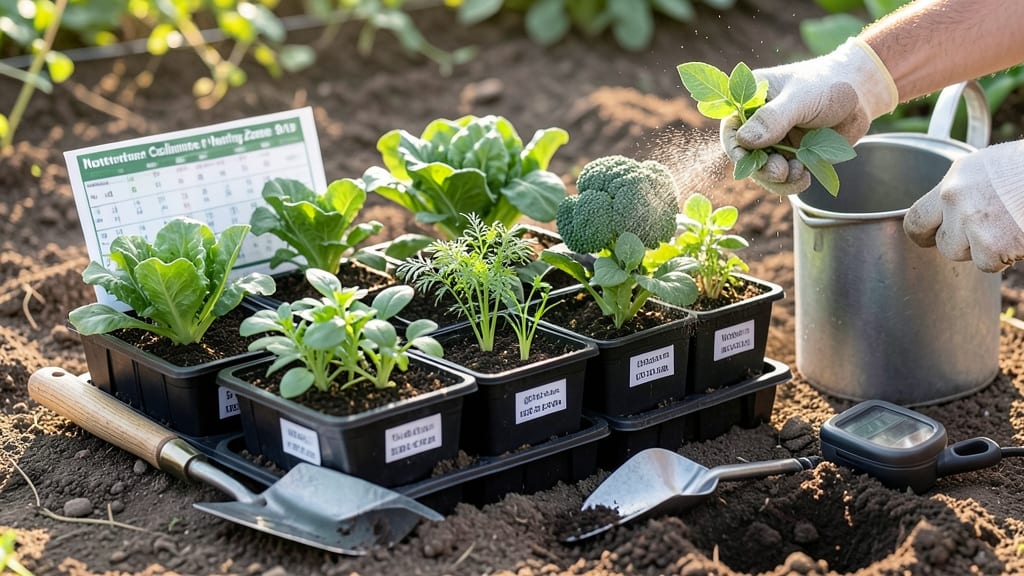
Timing your vegetable garden in Northern California isn’t one-size-fits-all—coastal fog can delay planting by weeks compared to the Sacramento Valley’s early springs. Whether you’re in Zone 8 or Zone 10, getting the schedule right means the difference between a bountiful harvest and wasted seeds.
I’ve gardened through San Francisco’s chilly mornings and the Central Valley’s sudden heat spikes, and the key is understanding your microclimate. Cold-hardy greens like kale thrive in coastal spring, while tomatoes need to wait for soil temperatures above 60°F inland.
Let’s break down exactly when to plant each crop for your specific corner of the state.
Most gardeners make the mistake of planting too early, only to face frost damage or stunted growth. I’ll show you how to use local frost dates, soil thermometers, and even neighborhood comparisons to fine-tune your schedule.
By the end, you’ll know whether your spring planting should start in February or April—and why the difference matters.
Ready to grow a garden that actually produces? We’ll cover urban balconies, rural plots, and everything in between, so no matter where you’re planting, you’ll harvest like a pro. Let’s get those seeds in the ground at the perfect time.
Northern California planting zones: when to start seeds and transplant vegetables by region
Northern California’s USDA Hardiness Zones 7b-10a create wildly different planting windows. Coastal areas like San Francisco (Zone 9b-10a) enjoy mild winters, while inland valleys like Sacramento (Zone 9a) face earlier frosts.
Even within cities, microclimates shift planting by weeks or months. Let’s break down the exact timing for your region.
First, check your last frost date—this is your planting deadline. Coastal gardeners can start cool-season crops like kale and peas in late winter, while inland growers wait until March or April.
Warm-season crops like tomatoes and peppers need soil temperatures above 60°F, which arrives 2-4 weeks earlier inland than on the coast.
Here’s how to align your planting with Northern California’s microclimate realities:
| Region | Last Frost | Start Cool-Season Seeds | Transplant Warm-Season | Key Crops |
|---|---|---|---|---|
| Coastal (SF, Monterey) | Dec 15–Jan 15 | Feb 1–March 15 | April 15–May 1 | Kale, peas, lettuce, broccoli |
| Bay Area (Oakland, Berkeley) | Jan 1–Feb 1 | Feb 15–March 1 | March 20–April 10 | Spinach, carrots, tomatoes, peppers |
| Sacramento Valley | Feb 1–March 1 | March 1–March 15 | March 15–April 1 | Onions, garlic, zucchini, basil |
| Sierra Foothills | March 1–April 1 | April 1–April 15 | April 15–May 1 | Potatoes, corn, beans, cucumbers |
For coastal gardeners, the biggest challenge is delayed soil warming due to fog. Use black plastic mulch to raise soil temps 5–10°F faster for warm-season crops. Inland gardeners should focus on succession planting—sow lettuce every 2 weeks from February to October to avoid bolting.
Warm-season crops like tomatoes and peppers thrive in Zone 9b+, but coastal gardeners can still grow them by starting seeds indoors in February and transplanting after April 15. Use heat-tolerant varieties like ‘Heatmaster’ tomatoes or ‘Jalapeño M’ peppers to handle inland heatwaves.
Pro tip: Check your local Cooperative Extension office for hyper-local data. For example, UC Master Gardeners in Sonoma County may recommend planting 2 weeks earlier than in San Francisco due to warmer microclimates in valleys.
Always verify with soil thermometers—50°F+ is ideal for cool-season crops, while 60°F+ is needed for warm-season starters.
If you’re in a transition zone (e.g., Santa Cruz Mountains), err on the side of caution. Plant cold-hardy greens like swiss chard in late January and warm-season crops only after May 1 to avoid late spring frosts.
Use frost cloth as a safety net for high-value crops like broccoli or cauliflower.
Remember: Northern California’s unpredictability means flexibility is key. Keep a planting journal to track what works in your specific microclimate, and don’t hesitate to adjust timelines based on weather patterns. Your garden’s success hinges on reading the local climate—not just the calendar.
🌱
Microclimate adjustments: how to extend your growing season in Northern California
Northern California’s coastal fog and inland heat create unique challenges for gardeners. While the Bay Area might still see frost in May, the Sacramento Valley could already be hitting 90°F by then. The secret to success? Adjusting your growing season with smart techniques tailored to your microclimate.
In foggy zones like San Francisco or Santa Cruz, cold frames and row covers can push planting dates back by 4-6 weeks. Meanwhile, inland gardeners in Stockton or Modesto rely on shade cloth and mulch to protect tender crops from sudden heat spikes.
Let’s explore the tools and strategies that work best for each region.
One of my favorite tricks for coastal gardeners is using low tunnels to trap heat during the day while protecting plants from nighttime chills. I’ve seen spinach and carrots thrive in March when planted under these, extending the harvest window by nearly a month.
For inland growers, drip irrigation with mulch keeps soil cool and moist, preventing bolting in heat-sensitive crops like lettuce.
Coastal Fog Zones
- Use cold frames to extend spring planting by 4-6 weeks.
- Plant windbreaks (e.g., bamboo fencing) to shield from salt spray.
- Choose cold-hardy varieties like kale or peas for early harvests.
- Monitor soil temperature—aim for 40°F+ for germination.
Inland Heat Zones
- Apply mulch to retain moisture and cool soil.
- Use shade cloth (30-50%) for heat-sensitive crops like tomatoes.
- Plant succession crops every 2-3 weeks for continuous harvests.
- Avoid overhead watering to prevent fungal diseases in high heat.
Succession planting is another game-changer. Instead of planting all your lettuce or radishes at once, stagger seeds every 2 weeks to ensure a steady supply. I’ve used this method in my Sacramento garden to enjoy fresh greens from April through October.
For coastal gardeners, this means starting broccoli in late February under row covers, then again in April once the fog lifts.
Don’t overlook the power of season extenders like hoop houses or greenhouses. Even a simple low-cost plastic tunnel can add 2-3 months to your growing season. I built one for my San Francisco balcony garden and now grow cucumbers year-round.
Pair this with heat-tolerant varieties like ‘Heatmaster’ tomatoes or ‘Black Seeded Simpson’ lettuce for maximum success.
Finally, pay attention to local frost pockets. Valleys and low-lying areas often experience frost 1-2 weeks later than hillsides. Check with your local Cooperative Extension office for hyper-local data, and adjust your planting dates accordingly. With these adjustments, you’ll turn Northern California’s unpredictable climate into your garden’s greatest advantage.