
Plants
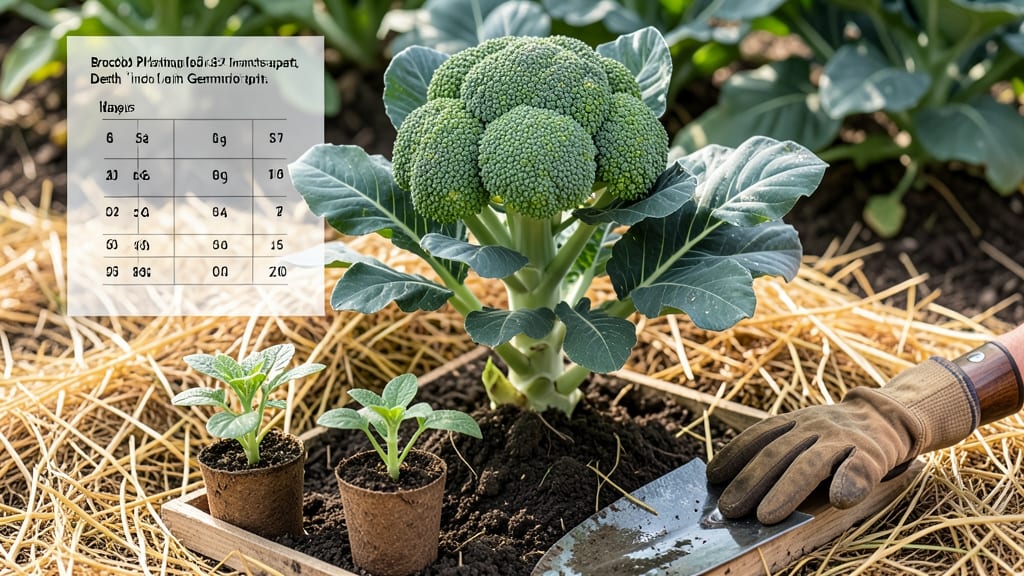
Knowing when to plant fall crops in Zone 8 could mean the difference between a bountiful harvest and wasted effort. With the right timing, you can enjoy fresh kale, crisp carrots, and tender broccoli long after summer fades—even as temperatures drop.
The key lies in understanding your local frost dates and matching them to each crop's ideal planting window.
Zone 8's mild winters give you a longer growing season than many regions, but rushing or waiting too long can leave your 🌱 fall crops vulnerable to early chills. Whether you're a seasoned gardener or just starting, getting this timing right is the game-changer that separates frustration from success.
Let me walk you through the exact months and strategies to make the most of your fall garden.
From leafy greens that thrive in cooler weather to root vegetables that need time to mature, each crop has its own perfect window for planting. We'll break down the best times to sow seeds and transplants so you can avoid common pitfalls like planting too late or ignoring soil conditions.
With these insights, you'll be harvesting well into winter—no more store-bought salads when your garden can do better.
Ready to transform your garden into a fall feast? I'll share the exact planting schedule you need, plus pro tips for extending your harvest even further. Let's get those seeds in the ground at the perfect moment!

Zone 8 fall planting calendar: exact months by crop type
Zone 8 gardeners enjoy a longer growing season than many regions, but fall planting timing still requires precision. The key is to plant 6-8 weeks before your first frost—typically mid-October for Zone 8a and late October for Zone 8b.
This ensures crops mature before temperatures dip below 25°F (-4°C), protecting tender varieties.
Cool-season crops like kale, spinach, and carrots thrive in fall’s mild temperatures, while warm-season holdovers (tomatoes, peppers) need early starts. Below, I’ve broken down the ideal planting windows for your most productive fall harvests, adjusted for Zone 8’s variable frost dates.
| Crop Type | Planting Window (Zone 8) | Days to Maturity | Frost Tolerance | Notes |
|---|---|---|---|---|
| Leafy Greens (Lettuce, Spinach, Kale) | August 15 - September 15 | 30-50 days | 20°F (-7°C) or higher | Succession plant every 2 weeks for continuous harvest. |
| Root Crops (Carrots, Beets, Radishes) | August 1 - September 10 | 40-70 days | 15°F (-9°C) or higher | Loosen soil to prevent forking in carrots. |
| Brassicas (Broccoli, Cabbage, Cauliflower) | July 15 - August 20 | 60-90 days | 15°F (-9°C) or higher | Start with transplants for faster growth. |
| Warm-Season Holdovers (Tomatoes, Peppers, Eggplant) | June 15 - July 15 (transplants) | 60-120 days | 30°F (1°C) or higher | Use row covers to extend season. |
| Green Beans, Peas, Turnips | August 1 - September 5 | 40-60 days | 25°F (-4°C) or higher | Plant after soil temps drop below 80°F (27°C). |
For Zone 8a (colder microclimates), aim to finish planting by September 15 for most cool-season crops. In Zone 8b, you can push it to October 1, but monitor 10-day forecasts for early cold snaps.
Pro tip: Use a soil thermometer—ideal temps for fall planting are 50-70°F (10-21°C).
Don’t overlook warm-season crops like tomatoes and peppers. While they won’t survive frost, planting them in late June or early July gives them time to mature before cooler weather sets in. Use black plastic mulch to keep soil warm and extend their season by 2-3 weeks.
If you’re new to fall gardening, start with fast-maturing varieties like bush beans (45 days) or radishes (25 days). These give you instant gratification while you learn the rhythm of your Zone 8 microclimate. For longer-season crops like broccoli, opt for early-maturing hybrids labeled “fall harvest” or “quick crop.”
Soil prep is critical in fall. Before planting, amend your beds with compost or aged manure to replenish nutrients. Test your soil pH—most fall crops prefer 6.0-7.0. If your soil is still warm from summer, wait until temps drop below 80°F (27°C) to avoid seedling stress.
For container gardening, stick to shallow-rooted crops like lettuce, spinach, and radishes. Use 5-gallon pots
How to extend your fall harvest with succession planting
Succession planting is my secret weapon for turning a single fall harvest into a never-ending supply of fresh vegetables. In Zone 8, where mild winters stretch the growing season, this technique lets you plant lettuce, radishes, or spinach every 2-3 weeks—keeping your kitchen stocked until frost.
The key is spacing out plantings to ensure a continuous supply of young, tender crops before the first hard freeze.
Start by calculating your first frost date (typically mid-December in Zone 8) and work backward. For example, if your baby leaf lettuce takes 30 days to mature, plant your first batch in late September.
Then, sow a new row every 10-14 days until early November. This staggered approach ensures you’re always harvesting something fresh while avoiding overcrowded beds.
Don’t overlook warm-season crops like tomatoes and peppers either. While they won’t survive frost, you can extend their productivity by planting fast-maturing varieties in late summer. Try cherry tomatoes or bush beans, which mature in 50-60 days—perfect for a late-September start.
These will give you a bonus harvest before cooler temps set in.
🌱 Succession Planting Timeline for Zone 8
- Late August: Plant broccoli and kale (60-day varieties) for a fall harvest.
- Mid-September: Sow radishes and spinach every 2 weeks for quick turns.
- Early October: Add carrots and beets—they’ll mature slowly but stay sweet.
- Mid-October: Try cold-hardy peas for a late-season protein boost.
- Early November: Direct-sow garlic for next year’s harvest (yes, it counts!).
Companion planting is another game-changer for fall gardens. Pair onion and garlic with carrots to deter pests naturally, or plant bush beans near kale to fix nitrogen in the soil.
These pairings improve flavor, yield, and reduce the need for chemical interventions. Plus, they make your garden more resilient against fall pests like aphids and cabbage worms.
Protect your extended harvest with row covers or cold frames if temperatures dip unexpectedly. A simple floating row cover can add 4-6°F of protection, letting you harvest greens and root crops 2-3 weeks longer. Just
Finally, don’t forget to harvest regularly. For leafy greens like spinach, pick the outer leaves first to encourage continuous growth. With root crops, harvest when they reach the right size—overgrown carrots or beets become tough and woody. By staying on top of harvests, you’ll keep your plants productive right up until frost.