
Plants
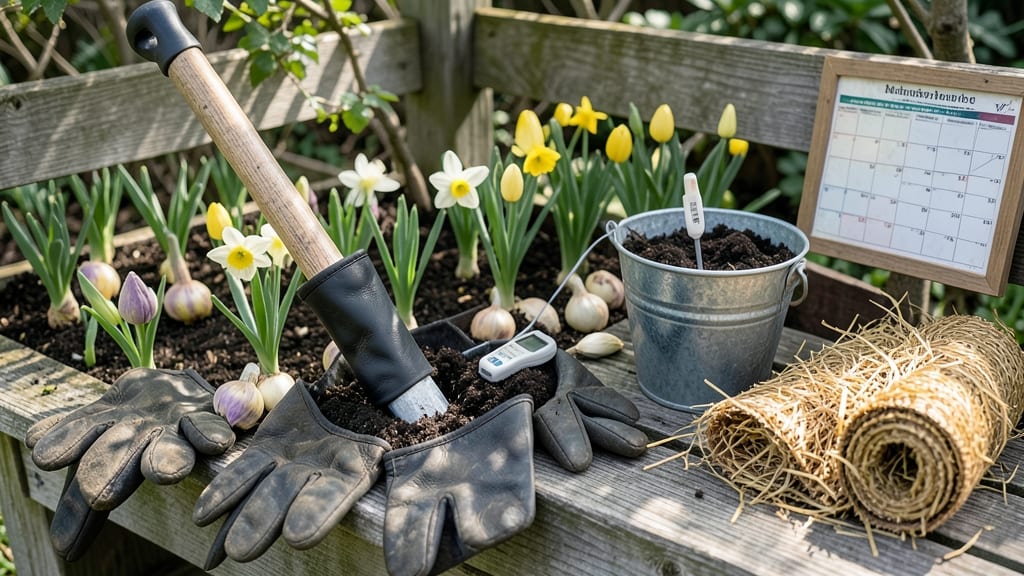
Knowing when to plant bulbs in Zone 6 can mean the difference between a garden bursting with color and a missed opportunity for next spring's blooms. The secret lies in understanding your local frost dates and matching them to the right planting window for each type of bulb.
For most gardeners in Zone 6, fall is the prime time to plant spring-blooming favorites like tulips and daffodils 🌱—but timing matters. Plant too early, and your bulbs might sprout before winter sets in.
Too late, and they won’t establish strong roots before the ground freezes. Let’s break down the perfect schedule so you never miss a beat.
You’ll also discover why some bulbs thrive when planted in early spring, and how to prepare your soil for maximum success. With these simple strategies, you’ll be well on your way to perfect blooms that will make your neighbors green with envy.
Whether you’re a seasoned gardener or just starting out, this month-by-month guide will give you the confidence to plant bulbs at exactly the right time—so you can enjoy vibrant flowers year after year.

Best months to plant spring-blooming vs fall-blooming bulbs in Zone 6
Planting bulbs in Zone 6 requires precision—timing directly impacts whether your tulips, daffodils, and hyacinths survive winter and bloom spectacularly. The key is planting 6-8 weeks before the first frost (typically October–November for fall) or 4-6 weeks before the last frost (usually March–April for spring).
Most gardeners focus on spring-blooming bulbs like tulips and crocuses, which need cold stratification to thrive. However, fall-blooming bulbs (like calla lilies or gladiolus) follow a different schedule. Let’s break down the best times for each type to avoid common mistakes.
🌱 Visual Guide: Planting Windows by Bulb Type
Spring-blooming bulbs like tulips and daffodils rely on cold stratification—a process where they experience winter chill to trigger blooming. Planting them too early (e.g., August) risks rot, while planting too late (e.g., December) may leave roots vulnerable to frost.
Aim for October–November in Zone 6, when soil temps drop below 60°F but haven’t frozen yet.
For fall-blooming bulbs, the rules flip: these varieties (like calla lilies or gladiolus) thrive when planted in spring (April–May) after the last frost. They avoid winter dormancy entirely, making them ideal for late-season color.
Soil temperature is your best guide—use a soil thermometer to confirm 50–60°F for fall planting. In Zone 6, this typically aligns with mid-October, but adjust if your first frost arrives early. Pro tip: Plant in clusters (e.g., 5–7 bulbs together) for dramatic displays!
One common misconception is that daffodils are low-maintenance, but they actually prefer well-draining soil. Amend heavy clay with compost or sand to prevent bulb rot—a critical step for Zone 6’s wet springs. Always plant bulbs pointy-end up and 3x their height deep.
If you miss the fall window, don’t despair! You can still plant spring-blooming bulbs in early spring (March–April), but expect slightly smaller blooms. The trade-off is worth it for last-minute gardeners—just add a layer of mulch to protect tender shoots from late frosts.
For Zone 6 gardeners, the golden rule is: Plant bulbs when soil is cool but not frozen. This balance ensures roots establish before winter sets in, setting the stage for vibrant spring blooms that’ll make your neighbors green with envy. 🌷
Zone 6 bulb planting calendar: what to plant each month (September–March)
Your Zone 6 bulb planting calendar starts in late summer and runs through early spring. The key is planting bulbs 6-8 weeks before your first frost (typically mid-October) to give roots time to establish before winter sets in.
For spring bloomers like tulips and daffodils, this means September through November is your golden window.
If you missed the fall window, don’t worry—many bulbs can also be planted in early spring (March–April), though they may bloom slightly later.
The trick is to plant them 4-6 weeks before your last frost date (around April 15 in Zone 6) so they have time to sprout before warm weather arrives.
Below is your month-by-month guide, including specific bulb varieties, soil prep tips, and frost-risk reminders to keep your garden thriving.
| Month | Bulbs to Plant | Soil Prep | Frost Risk |
|---|---|---|---|
| September | Crocus, Snowdrops, Fall-Blooming Bulbs (e.g., Colchicum) | Loosen soil, add compost | Low (plant early) |
| October | Tulips, Daffodils, Hyacinths, Alliums | Amend soil with bone meal | Moderate (plant by mid-October) |
| November | Late tulips, Fritillaria, Muscari | Mulch after planting | High (plant by early November) |
| December | None (dormant season) | Check mulch coverage | Very High |
| January | None (dormant season) | Plan spring prep | Very High |
| February | None (wait for thaw) | Test soil moisture | Low (late frost risk) |
| March | Late tulips, Dahlia tubers, Gladiolus | Warm soil, no frost | Moderate (watch forecasts) |
For fall-planted bulbs, focus on tulips, daffodils, and hyacinths—these thrive when planted in October, giving roots time to anchor before winter. If you’re planting in March, opt for late-blooming varieties like Dahlias or Gladiolus, which handle warmer soil better.
Pro tip: Use a moisture meter to check soil readiness—bulbs need well-draining soil to prevent rot. If your ground feels soggy, wait a week or two before planting. And always mulch after planting to insulate bulbs from temperature swings.
Even if you miss the ideal window, don’t despair—many bulbs are resilient. Just adjust your expectations: spring-planted bulbs may bloom later, but they’ll still reward you with vibrant color when summer arrives. Happy planting! 🌷