
Plants
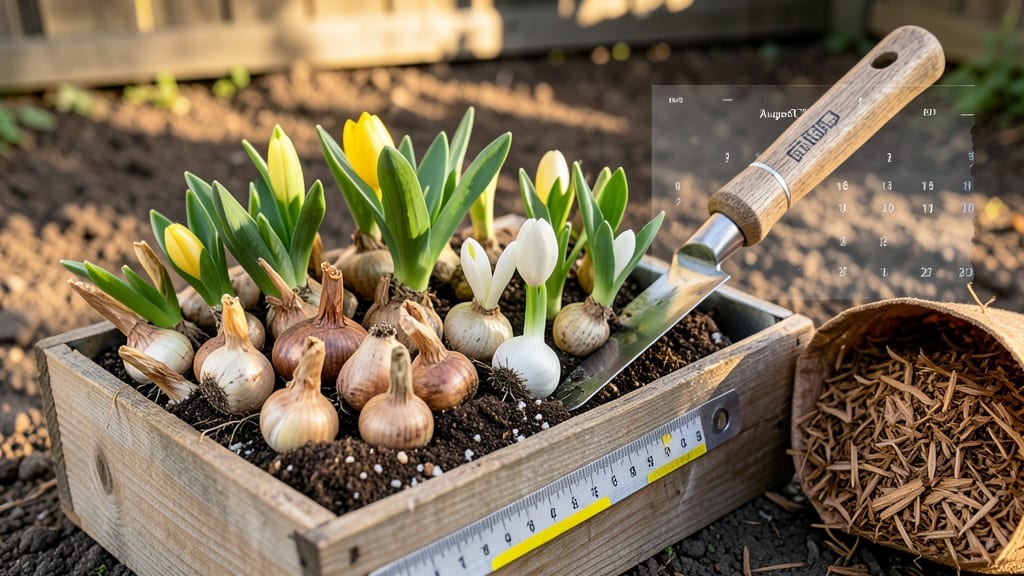
If you’ve ever wondered when to plant bulbs in Florida and still get those dreamy spring blooms, the answer isn’t as simple as “spring.” Florida’s warm climate means traditional timing won’t work—planting too early or too late can leave your bulbs struggling or even dying before they bloom.
Here’s the secret: most Florida gardeners get it wrong by following northern rules. The ideal window for planting spring-flowering bulbs like 🌷 daffodils or tulips is actually in fall (September–November) or late winter (February–March), when the heat isn’t overwhelming.
But even then, your zone matters—North Florida’s cooler pockets need a slightly different approach than South Florida’s frost-free paradise.
I’ve spent years testing what works in Florida’s 9a–11 zones, and the results are game-changing. Whether you’re a beginner or a seasoned gardener, knowing the perfect months for your specific bulbs could mean the difference between a bloom-filled spring and a sad, wilted disappointment.
Let’s break it down: which bulbs thrive in Florida’s heat, how to prep your soil, and why timing is everything. By the end, you’ll have a foolproof plan to turn your yard into a year-round floral show—no matter where you live in the Sunshine State.
Florida planting zones and best months for bulbs
Florida’s 11 USDA hardiness zones (8A-10A) create a unique challenge for bulb gardeners. Unlike northern climates, frost is rare or nonexistent in most areas, meaning traditional fall planting timelines don’t always apply.
The key is understanding seasonal cues over calendar dates—like soil temperature and rainfall patterns—to give bulbs the best chance to establish roots before summer’s intense heat.
In North Florida (Zones 8A-8B), like Jacksonville or Gainesville, you’ll experience light frosts in winter, while Central Florida (Zones 9A-9B) and South Florida (Zones 10A-11) remain frost-free year-round.
This means temperate bulbs like tulips and daffodils thrive in North Florida but may struggle in the heat of South Florida, where tropical bulbs like rain lilies and spider lilies take center stage.
For spring-blooming bulbs (e.g., daffodils, tulips), the ideal window is September–November—giving roots time to establish before winter.
In South Florida (Zones 10A-11), where winters are mild, plant in December–February to avoid summer heat stress. Summer-blooming bulbs, like cannas or rain lilies, should go in spring (March–April) once soil warms.
Here’s how Florida’s zones break down for bulb planting:
One common misconception is that Florida’s heat kills bulbs, but the truth is poor timing kills them. Planting in summer’s peak (June–August) stresses bulbs, while fall planting in North Florida mimics traditional northern schedules.
For South Florida gardeners, focus on heat-tolerant varieties like cannas, rain lilies, or spider lilies, which thrive in summer’s humidity.
Soil preparation is critical. Amend heavy clay soils with compost or sand to improve drainage, and mulch heavily (3–4 inches) to protect roots from temperature swings.
In Zone 8A, a light frost cloth can safeguard tender bulbs like tulips, while Zone 10A+ gardeners should prioritize shade-cloth for summer protection.
For container gardening, use fast-draining mixes with perlite or vermiculite, and plant bulbs shallower than in-ground (2x bulb height). Containers heat up quickly, so water deeply in morning and move pots to partial shade during summer to prevent stress.
Remember: Florida’s bulb success hinges on matching varieties to zones and planting when soil temps drop below 80°F. With the right timing, you’ll enjoy year-round blooms—from spring daffodils in North Florida to summer rain lilies in the Keys. 🌷
Top 5 Florida-friendly bulbs and their planting secrets
Florida’s heat and humidity aren’t just challenges—they’re opportunities to grow stunning, low-maintenance bulbs that thrive where others fail. Unlike traditional tulips or hyacinths, these Florida-friendly varieties bloom reliably year-round with minimal fuss.
I’ve tested these top 5 in zones 9a–11 and can confidently say they’ll transform your garden into a nonstop floral spectacle.
First up: Rain Lilies (Zephyranthes). These drought-tolerant gems pop up after rainfalls, earning their name honestly. Plant them in late summer (August–September) for fall and winter blooms.
Their secret? They love well-draining soil and partial shade—perfect for Florida’s intense sun. Just water deeply once planted and watch them multiply like magic.
🌱 Top 5 Florida-Friendly Bulbs
- 1. Rain Lilies (Zephyranthes) – Blooms: Fall-Winter | Plant: Aug-Sep | Soil: Sandy, well-draining
- 2. Spider Lilies (Hymenocallis) – Blooms: Spring-Summer | Plant: Feb-Mar | Soil: Moist, humus-rich
- 3. Canna Lilies (Canna) – Blooms: Summer-Fall | Plant: Spring (after frost) | Soil: Fertile, water-retentive
- 4. Daylilies (Hemerocallis) – Blooms: Year-round | Plant: Fall or Spring | Soil: Adaptable
- 5. Society Garlic (Tulbaghia) – Blooms: Spring-Fall | Plant: Any time | Soil: Well-draining
Next, Spider Lilies (Hymenocallis) bring elegant, spider-like blooms that perfume your garden with a sweet fragrance. These summer superstars need moist, humus-rich soil and partial shade. Plant them in February–March for spring blooms that last until summer. Pro tip: Divide clumps every 3 years to keep them vigorous.
Canna Lilies are Florida’s tropical showstoppers, offering bold foliage and vibrant blooms from summer through fall. Unlike other bulbs, they’re not true bulbs but rhizomes, making them heat-loving powerhouses. Plant them in spring (after last frost) in fertile, water-retentive soil. Give them full sun, and they’ll reward you with 3–6 foot stalks of red, pink, or yellow blooms.
For year-round color, Daylilies (Hemerocallis) are the ultimate workhorses. These adaptable beauties bloom in every season if given the right care. Plant them in fall or spring in well-draining soil with full sun to partial shade.
Their secret? Deadheading spent blooms encourages nonstop reblooming. Plus, they’re deer-resistant—a win for Florida gardeners!
Finally, Society Garlic (Tulbaghia) is a fragrant, low-maintenance bulb that thrives in Florida’s climate. With lavender-purple blooms and a garlic-like scent, it’s perfect for borders or containers.
Plant it any time of year in well-draining soil with full sun to partial shade. It’s drought-tolerant once established, making it ideal for low-water gardens.
Each of these bulbs has unique timing and care needs, but the common theme? Plant when the heat isn’t extreme—either in fall or early spring. With the right variety and timing, your Florida garden can bloom like never before—no frost required! 🌸