
Plants
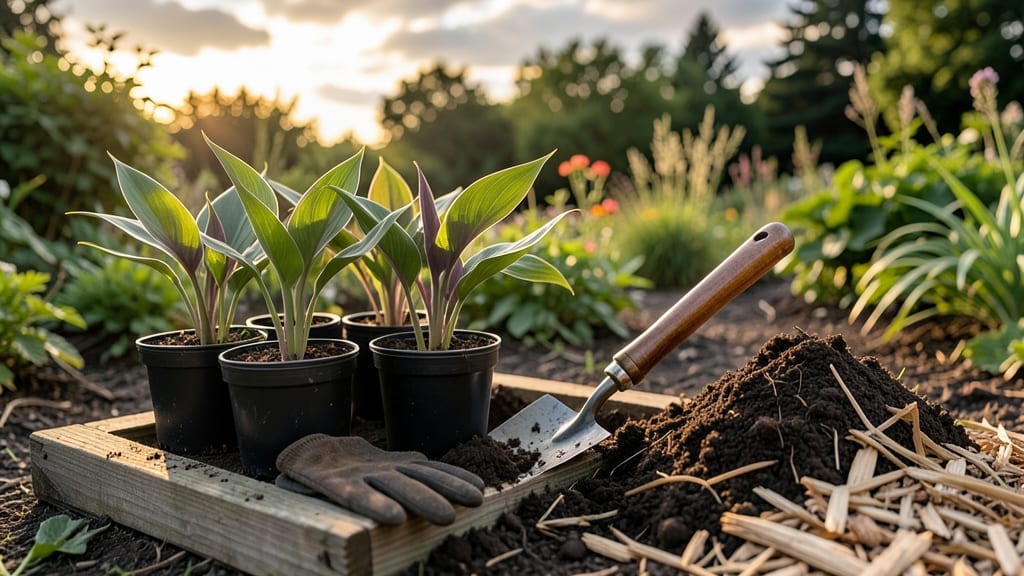
Timing your calla lily planting in Zone 5 is the difference between vibrant blooms and wasted effort—get it wrong, and frost or heat can ruin your entire season. These stunning 🌸 beauties demand precision, especially when your last frost date lingers around May 10 and summer heat arrives fast.
You might assume "late spring" means you can toss tubers in the ground whenever, but soil temperature is the real game-changer. Calla lilies need 60–65°F soil to thrive, and waiting for that magic number—usually June—ensures strong roots before blooming season kicks in.
What if you're tempted to plant early? I’ll show you how to stretch your window with cold frames or containers, plus the exact signs your soil is ready (no guesswork!).
By the end, you’ll know whether to plant tubers now or wait—and how to protect them if late frosts sneak in.
Let’s cut through the confusion so you can enjoy late-summer blooms without the stress of "too early" or "too late." Your perfect calla lily timing starts here.

Zone 5 calla lily planting deadline: frost-free date & last-minute prep
Calla lilies (Zantedeschia aethiopica) thrive in Zone 5, but their tender rhizomes demand precise timing. Plant too early, and a late frost will kill them—too late, and you’ll miss their summer-to-fall blooms.
The key is waiting until after your average last frost date, which for most of Zone 5 falls between May 10–20, depending on your exact location.
For example, gardeners in northern Illinois or western New York should wait until mid-May, while those in southern Indiana can plant as early as early May.
Always check your local frost dates using the USDA’s Plant Hardiness Zone Map or a trusted gardening app like Old Farmer’s Almanac.
Once you’ve confirmed frost risk is gone, focus on soil temperature, not just air temperature. Calla lilies need soil that’s warmed to at least 60°F—cooler soil delays growth and stresses the rhizomes.
Use a soil thermometer to check depth (4–6 inches down). If your soil is still cold, consider container growing or a cold frame to extend your planting window.
Pro tip: If you’re in a cooler microclimate (like a shaded valley), plant in containers and move them to a sunnier spot once the soil warms. This gives you flexibility to adjust to unpredictable spring weather in Zone 5.
Here’s your Zone 5 calla lily planting timeline at a glance:
| Stage | Action | Notes |
|---|---|---|
| Late April–Early May | Prep soil: Add compost, ensure drainage | Avoid fresh manure—it burns rhizomes |
| Mid-May (Zone 5 average) | Plant rhizomes 3–4" deep | Wait for soil to reach 60°F |
| Late May–Early June | Mulch with 2–3" organic mulch | Retains moisture, regulates temp |
| June–July | Water deeply 1–2x/week | Avoid overhead watering to prevent disease |
| August–September | Deadhead spent blooms | Encourages more flowers |
| October (before frost) | Dig up and store rhizomes | Dry in shade, store in peat moss |
If you’re planting in containers, you can push the timeline earlier—just place pots in a protected spot (like a greenhouse or under a row cover) until the soil warms. This is especially useful for northern Zone 5 gardeners where frost lingers longer.
For late bloomers, consider planting calla lily seeds indoors 8–10 weeks before your last frost date. While seeds take longer to bloom than rhizomes, they give you a head start in cooler climates.
Just remember: Seeds require consistent warmth (70°F+) to germinate, so use a seedling heat mat if needed.
Finally, if you’re in a microclimate with late frosts (e.g., near a lake or valley), use frost cloth or a mini greenhouse to protect newly planted rhizomes for the first 2–3 weeks. This extra layer of defense can extend your planting window by 10–14 days without risking frost damage.
Once your calla lilies are in the ground and the soil is warm, they’ll reward you with bold, dramatic blooms from mid-summer to fall. Just remember: Patience is key—rushing the process in Zone 5’s unpredictable spring often leads to disappointment.
Stick to the frost-free deadline, and you’ll enjoy healthy, vibrant calla lilies for years to come. 🌸
Ideal soil temperature for calla lilies: how to test & adjust for Zone 5
Your calla lily tubers might be ready to go in the ground, but if your soil temperature is still below 60°F, you’re setting them up for failure. Unlike air temperature—which can fluctuate wildly—soil temperature is the real indicator of whether your calla lilies will thrive or rot.
In Zone 5, this often means waiting until late May or June, even if the last frost has passed.
Cold soil slows root growth, leaving your plants vulnerable to fungal diseases and rot. Meanwhile, soil that’s too hot (above 75°F) can stress the tubers before they’ve established roots. The sweet spot? 60–65°F—where roots grow aggressively and blooms flourish. Here’s how to check and adjust yours.
To test your soil temperature, insert a soil thermometer 2–3 inches deep (where the tubers will sit) and leave it for 30 minutes. If it reads below 60°F, delay planting.
Pro tip: Morning is the best time to check—soil temps are most stable then. In Zone 5, this often aligns with late May to early June, depending on your microclimate.
If your soil runs too cold, try these fixes:
- Black plastic mulch (raises soil temp by 5–10°F)
- Cold frames (extends the growing season by 2–4 weeks)
- Compost or aged manure (warms soil faster than bare earth)
On the flip side, if your soil is too hot (common in July), plant tubers in partial shade or use shade cloth to protect them until roots establish. Water deeply before planting to help regulate temperature. Remember: consistency is key—calla lilies hate soil temp swings.
Once your soil hits that 60–65°F window, plant your tubers 3–4 inches deep in well-draining soil and mulch heavily to maintain stable temps. With the right soil conditions, you’ll see healthy foliage in 4–6 weeks and blooms by late summer—worth the wait!