
Plants
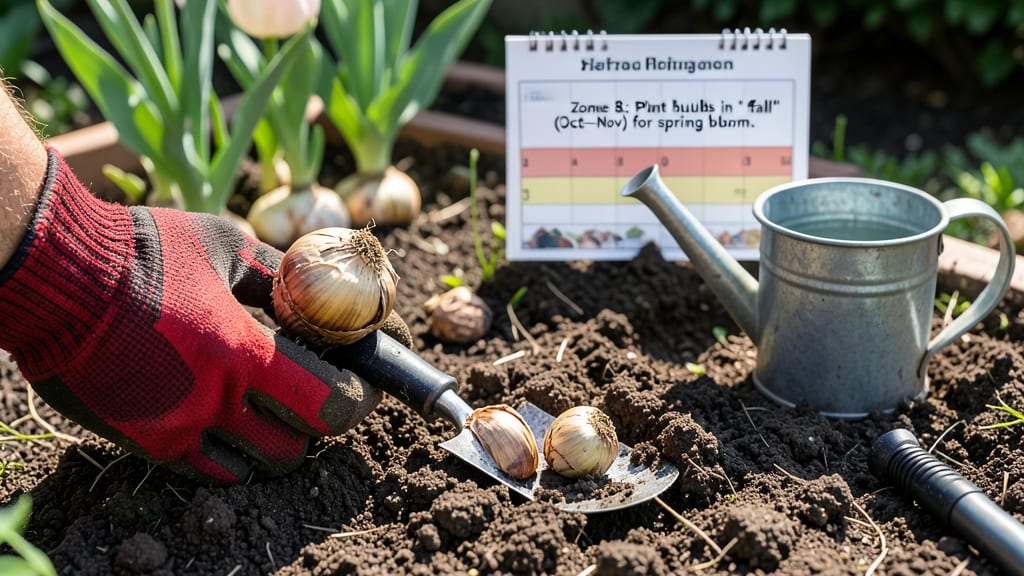
Knowing when to plant bulbs in Zone 8 is the secret to a garden bursting with color—without the guesswork. Too early, and your 🌱 bulbs might rot; too late, and they’ll miss their prime growing window.
But with the right timing, you’ll get those showstopping blooms year after year, even in your mild climate.
Zone 8 gardeners have a unique advantage: two planting windows that work perfectly for most bulbs. Whether you’re dreaming of spring daffodils or fall crocuses, the key is understanding how to sync planting with your local frost dates.
I’ll break down the exact months that work best, so you can skip the trial-and-error and get straight to stunning results.
This isn’t just about throwing bulbs in the ground and hoping for the best. The right timing ensures strong root growth before winter sets in, giving you healthier plants and bigger blooms.
Plus, I’ll share pro tips for soil prep and post-planting care that make all the difference in your Zone 8 garden’s success.
Ready to transform your yard into a seasonal bloom parade? Let’s dive into the precise planting schedule that’ll have your bulbs thriving—no matter where you are in Zone 8. You’ll learn exactly when to plant for maximum impact, plus how to adjust for your specific microclimate.

Best months to plant spring-flowering bulbs in Zone 8
In Zone 8, where winters are mild but still cool enough for dormancy, timing your spring-flowering bulbs is critical. Unlike colder zones, you have a slightly extended window to plant, but rushing can lead to rot or poor blooms.
The ideal time is October through November—this gives bulbs 6-8 weeks to establish roots before the first frost, usually around mid-December.
For tulips, daffodils, and hyacinths, aim to plant by late November at the latest. These bulbs need cold stratification to bloom, but Zone 8’s mild winters mean they won’t get enough chill if planted too late.
Coastal areas may need to plant 1-2 weeks earlier due to warmer microclimates, while inland regions can stretch planting into early December.
🌱 Zone 8 Spring Bulb Planting Guide
| Bulb Type | Ideal Planting Month | Soil Temp Threshold | Depth (inches) | Notes |
|---|---|---|---|---|
| Tulips | October - November | 50-60°F | 6-8 | Plant early for best blooms |
| Daffodils | October - December | 45-55°F | 6-8 | Tolerates later planting |
| Hyacinths | October - November | 50-60°F | 6-8 | Needs well-draining soil |
| Alliums | October - November | 50-60°F | 6-8 | Drought-tolerant once established |
| Crocuses | September - October | 40-50°F | 3-4 | Early bloomers; plant early |
If you miss the fall window, don’t despair—early spring planting (February to March) works for many bulbs, though blooms may be slightly delayed. Daffodils and alliums are the most forgiving, while tulips and hyacinths may need a chilling period to perform well.
For a head start, pre-chill bulbs in the fridge for 6-8 weeks before planting in late winter.
Pro tip: Use a soil thermometer to check when soil temps drop below 60°F—this signals it’s time to plant.
In cooler microclimates (e.g., higher elevations in Zone 8), you can plant as late as early December, but avoid planting after the first frost. Warmer areas (e.g., Phoenix) may need to plant by late October to avoid winter rains.
For container gardening, plant bulbs in pots by mid-October to ensure they establish roots before temperatures drop. Use a fast-draining mix with perlite or sand, and place pots in a protected location (like a garage or under a patio) during winter.
Move containers to a sunny spot in late winter to encourage blooming.
One common mistake in Zone 8 is planting bulbs too shallowly. Aim for a depth of 2-3 times the bulb’s height—for example, a 2-inch tulip bulb should go 6 inches deep.
Shallow planting exposes bulbs to temperature fluctuations and pests, while over-deep planting can delay blooming. Well-draining soil is non-negotiable; amend heavy clay with compost or sand to prevent rot.
After planting, water deeply to settle the soil and encourage root growth. Avoid overwatering, as soggy soil invites fungal diseases. Mulch with 2-3 inches of straw or shredded leaves to insulate bulbs during winter and suppress weeds.
In spring, remove mulch once shoots emerge to prevent rot from excess moisture.
Fall bulb planting schedule: when to plant for spring blooms
Fall is the perfect time to plant bulbs in Zone 8 for stunning spring blooms. Most spring-flowering bulbs, like tulips, daffodils, and hyacinths, need 6-8 weeks of cool soil before winter dormancy. Planting too late risks rot, while early planting lets roots establish before frost.
In Zone 8, aim to plant bulbs between mid-October and mid-November. This window ensures bulbs develop strong roots before the ground cools. Coastal areas may extend planting slightly later, while inland zones should start earlier to avoid winter rains.
Here’s your step-by-step guide to timing fall bulb planting for optimal spring blooms:
Use a soil thermometer to confirm temps are below 60°F (ideal for root growth). In Zone 8, this usually happens by mid-October.
Select spring-flowering bulbs like tulips, daffodils, or alliums. Avoid summer bulbs (e.g., dahlias) for fall planting.
Dig holes 6-8 inches deep (twice the bulb’s height) and space bulbs 3-6 inches apart for dwarf varieties.
Give bulbs a deep watering to encourage root growth. Avoid overwatering—soil should drain well.
Add 2-3 inches of mulch (straw or shredded leaves) to insulate bulbs and retain moisture.
Once hard frost arrives (usually late November in Zone 8), bulbs will enter dormancy. No further care is needed until spring.
Pro tip: Mark your planting spots with bamboo stakes to remember where bulbs are buried. This helps avoid disturbing them when they sprout in spring.
For cooler microclimates (e.g., higher elevations), plant as early as September. Warmer areas (e.g., Phoenix) can wait until November—just ensure bulbs root before winter rains.
With this schedule, you’ll enjoy bold spring blooms and healthier bulbs year after year. Happy planting! 🌷