
Plants
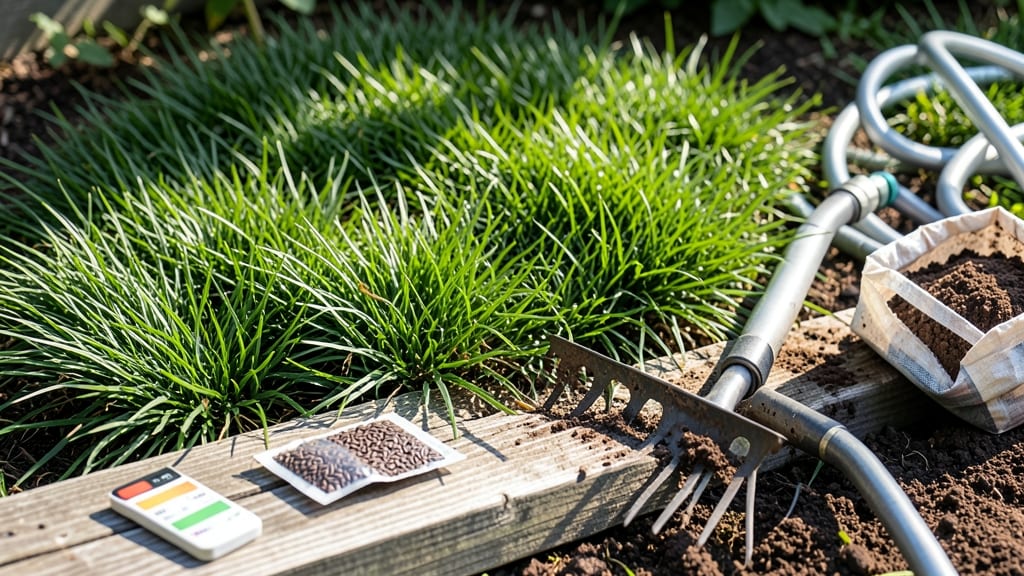
Planting Bermuda grass seeds in Texas at the wrong time can turn your lawn dreams into a frustrating wait for green—especially when Texas heat arrives faster than you expect.
The key to success isn’t just throwing seeds into the ground; it’s knowing when the soil is warm enough and when those late frosts have finally said goodbye for good.
With Texas’ 8a-10b zones stretching from North to South, timing varies dramatically—what works in the Hill Country might fail in the Panhandle. I’ll break down the optimal windows (late spring to early summer) and how to spot the perfect moment when soil temperatures hit that critical 75°F+ mark for germination.
But here’s the catch: rushing too early can leave your seeds vulnerable to lingering cold snaps, while waiting too late means battling summer’s scorching sun.
I’ll share pro tips to give your Bermuda grass the best shot—whether you’re in Dallas, Houston, or San Antonio—so you can enjoy that lush, drought-resistant lawn by peak summer.
Ready to transform your yard? Let’s dive into the exact steps to plant Bermuda grass seeds at the perfect time—so you’re not left staring at bare soil when the heat hits.
Best planting windows for Bermuda grass seeds by Texas region
Texas' diverse climate means Bermuda grass planting times vary dramatically from North Texas to South Texas. Getting this wrong can delay your lawn's growth by months—or worse, leave you with patchy, weak grass.
The key is planting after the last frost when soil temperatures consistently hit 65°F+, but before summer's brutal heat sets in.
In North Texas (USDA Zones 7b-8a), like Dallas or Fort Worth, your window is tight: aim for mid-April to early May.
Here, late frosts can linger until March 15, and summer heat arrives by June. Central Texas (Zones 8a-8b), including Austin and San Antonio, offers a slightly longer window—late April to mid-June—thanks to milder winters and slightly later frost threats.
For South Texas (Zones 9a-10b), like Houston or the Rio Grande Valley, you've got flexibility: plant from mid-March to early July. The region's warmer winters and longer growing season mean you can start earlier, but avoid planting too late—August's heat can stress young seedlings.
Pro tip: Check your local Cooperative Extension Service for frost date averages—they’ll give you the most precise planting window for your exact location. For example, El Paso (Zone 8a) might need to wait until mid-May, while Corpus Christi (Zone 9a) can start as early as February.
| Texas Region | USDA Zone | Last Frost Date | Optimal Planting Window | Soil Temp Goal |
|---|---|---|---|---|
| North Texas | 7b-8a | Mid-March | Mid-April to Early May | 65°F+ |
| Central Texas | 8a-8b | Mid-March | Late April to Mid-June | 65°F+ |
| South Texas | 9a-10b | Late February | Mid-March to Early July | 65°F+ |
Note: Adjust for microclimates—higher elevations or urban areas may need later planting.
If you miss the spring window, don’t panic—you can still plant Bermuda grass in late summer (August), but seedlings will struggle with intense Texas heat and may require extra shade and water.
For best results, stick to the spring window and prepare your soil in advance by adding compost and ensuring full sun exposure.
One common mistake? Planting too early in North Texas and risking a late frost that kills young seedlings. Always monitor soil temperature with a soil thermometer—aim for consistent 65°F+ for at least 5-7 days before planting.
If your soil is still cool, wait it out—patience pays off with faster germination.
For South Texas gardeners, the longer window means you can even plant in early fall (September), but growth will slow as temperatures drop. The goal is to give your grass 6-8 weeks of warm weather to establish roots before winter dormancy sets in.
Use a lawn thermometer to track progress—you’ll know you’re on track when seedlings appear in 10-14 days.
Remember: Bermuda grass is a warm-season grass, meaning it thrives in heat and dormancy in cold. Planting outside its ideal window forces it to struggle, leading to thin, patchy lawns.
By aligning your planting with your region’s climate patterns, you’ll set your lawn up for rapid, lush growth once summer arrives.
🌱
Soil temperature requirements for successful Bermuda grass germination
Bermuda grass seeds won’t germinate properly if your soil is too cold—even in Texas’ warm climate. The ideal soil temperature range for planting is between 65°F and 75°F. Below 60°F, germination slows dramatically, and seeds may rot before sprouting.
In North Texas, this often means waiting until mid-April to May, while South Texas gardeners can start as early as late March.
Use a soil thermometer to check temperatures at a depth of 2 inches—this is where seeds will be planted. If your soil is still below 65°F, hold off planting and monitor daily.
I’ve seen many Texas gardeners rush planting in early spring only to watch their seeds fail because the soil wasn’t warm enough. Patience here pays off in a thicker, greener lawn later.
🌱
⚠️ Warning: Cold Soil Kills Seeds
Planting Bermuda grass seeds in soil below 60°F risks fungal growth and seed rot. If a late frost hits after planting, your seeds may not survive. Always wait until soil temperatures are consistently above 65°F for at least 5 days before planting.
If your soil is too cold, you can speed up warming by using black plastic mulch or a clear plastic tunnel to trap heat. Spread the plastic over the soil for 1-2 weeks before planting—this can raise temperatures by 10-15°F.
Just remove it right before seeding to avoid smothering the young sprouts. I’ve used this trick in my own yard in Central Texas, and it helped me plant Bermuda grass 2 weeks earlier than usual.
Once your soil hits the sweet spot of 70-75°F, germination typically occurs within 7-14 days. Keep the soil moist but not soggy during this time—overwatering can wash away seeds or cause them to suffocate.
A light misting in the morning is usually enough to keep the soil ideal for sprouting.
Don’t forget that afternoon shade can also help maintain soil moisture and prevent seeds from drying out too quickly. If you’re planting in late spring or early summer, consider using shade cloth for the first few weeks until the grass is established.
This small step can make a huge difference in survival rates, especially in Texas’ intense heat.
Finally, if you’re in a higher-elevation area like the Hill Country, your soil may stay cooler longer. Monitor local weather forecasts for frost-free dates and soil temperature trends.
In my experience, waiting an extra week for the perfect conditions is always worth it—your lawn will thank you with vibrant green growth all summer long.