
Plants
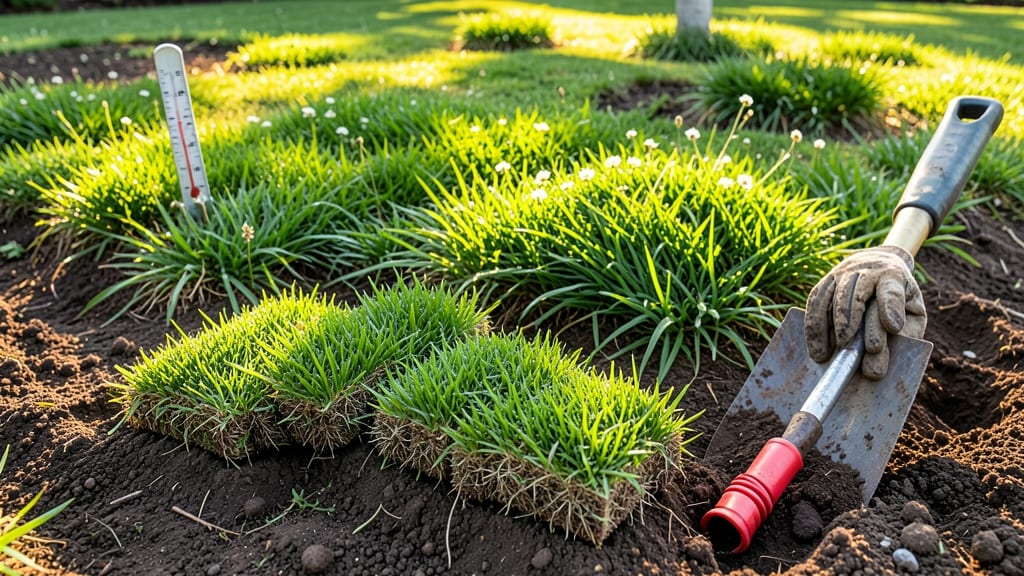
Timing your Bermuda Grass planting in South Carolina could make or break your lawn's success—get it wrong, and you're staring at a patchy, slow-growing mess for months.
This fast-spreading grass thrives when soil temperatures hit 65-75°F, but rushing it before March or waiting until summer heat arrives means wasted effort and money.
I've seen firsthand how just a few weeks can turn a struggling lawn into a vibrant green carpet. The key? Understanding your specific zone—whether you're in Charleston's coastal warmth or Greenville's slightly cooler Piedmont climate—and planting during those optimal windows when nature's conditions align perfectly with Bermuda's needs.
Let's cut through the confusion about when to plant—whether you're starting fresh with seed or overseeding bare spots. I'll walk you through the science behind soil temperatures, how to test them accurately, and why late summer can sometimes be just as good as spring for certain areas.
You'll also discover the three biggest mistakes that kill Bermuda grass plantings in SC, plus how to recover if you've already planted too early. Ready to grow that dream lawn without the guesswork?
Best planting times for Bermuda grass in SC by soil temperature
South Carolina’s warm climate makes Bermuda grass a top choice for homeowners, but timing is everything. Plant too early, and cold soil will stall germination. Too late, and summer heat can stress young seedlings.
The ideal soil temperature for Bermuda grass is 65-75°F (18-24°C), which triggers rapid growth and strong root development.
Most of SC falls into USDA Zones 7b-9a, but microclimates create big differences. Coastal areas like Charleston warm up faster than the Upstate’s Greenville. Understanding your zone’s last frost date (typically mid-March) and soil warming trends helps you pinpoint the perfect window.
Here’s how to test your soil temperature accurately: Use a soil thermometer (available for under $10) and check temps at 6-inch depth in the morning. If it’s below 65°F, wait 1-2 weeks—Bermuda grass won’t germinate in cooler soil, no matter how much you water it.
In early spring (March-April), focus on southern SC (Zones 8a-9a), where soil warms quickly. For northern SC (Zone 7b), late April to early May is safer. Late summer (August-September) is another great window, especially for overseeding or repairing thin patches.
| Zone | Best Planting Window | Soil Temp Requirement | Key Tip |
|---|---|---|---|
| Coastal (Zone 8a-9a) | Late March–Early April | 65–75°F (18–24°C) | Soil warms fastest; monitor humidity. |
| Piedmont (Zone 7b-8a) | Mid-April–Early May | 65–75°F (18–24°C) | Wait for consistent 65°F+ for 5+ days. |
| Upstate (Zone 7b) | Late April–Early May | 65–75°F (18–24°C) | Use black plastic mulch to warm soil faster. |
| All Zones (Late Summer) | August–Early September | 70–80°F (21–27°C) | Ideal for overseeding; avoid extreme heat. |
If you’re planting sod instead of seed, the rules relax slightly. Sod establishes faster and tolerates slightly cooler soil (60°F+), but still aim for 65°F+ for best results. Early spring sod can handle cooler temps, but seeds need warmth to sprout.
One common mistake? Rushing to plant in February, even if the air feels warm. Soil stays cold, and seeds rot. I’ve seen lawns fail spectacularly when homeowners ignore this rule—patience pays off with Bermuda grass.
For new lawns, prioritize early spring planting. For repairs or overseeding, late summer is your best bet. Both windows give young grass time to establish before summer’s peak heat or winter dormancy.
Pro tip: If your soil is still too cold in spring, use black plastic mulch to raise temps by 5-10°F. Remove it once germination starts to avoid smothering seedlings. 🌱
Best planting times for Bermuda grass in SC by soil temperature
Timing is everything when planting Bermuda grass in South Carolina. This warm-season grass thrives when soil temperatures stay consistently above 65°F (18°C). Planting too early—when soil is still cool—can leave your seeds dormant, while waiting too long risks summer heat stress.
The ideal window is late spring through early summer, but let’s break it down by your specific SC zone.
South Carolina spans three distinct growing zones: Coastal (Zone 8a-8b), Piedmont (Zone 7b-8a), and Upstate (Zone 7b). Each zone has slightly different timing due to microclimates.
For example, Charleston’s coastal warmth lets you plant 2-3 weeks earlier than Greenville’s inland heat. The key is monitoring soil temperature, not just air temperature.
To test your soil temperature, bury a soil thermometer 2-3 inches deep and check it daily. Aim for 65-75°F (18-24°C)—this range triggers germination. If temps drop below 60°F (15°C), seeds may not sprout at all.
Pro tip: Use a clear plastic mulch to warm the soil faster if you’re planting early in cooler zones.
🌱 Bermuda Grass Planting by Soil Temp & SC Zone
| Zone | Soil Temp Range | Best Planting Window | Key Considerations |
|---|---|---|---|
| Coastal (Zone 8a-8b) | 65-75°F (March-April) | Late March to early May | Humidity + salt air; use drought-resistant varieties |
| Piedmont (Zone 7b-8a) | 65-75°F (April-May) | Mid-April to early June | Moderate temps; watch for late frosts |
| Upstate (Zone 7b) | 65-75°F (May-June) | Late April to mid-June | Cooler nights; extend growing season with mulch |
For new lawns, aim to plant when daytime highs are consistently above 75°F (24°C). This ensures your grass establishes roots before summer’s peak heat. If you’re overseeding an existing lawn, late summer (August) is ideal—it gives Bermuda grass time to recover before winter dormancy.
Just be sure to mow your lawn short (½ inch) before overseeding to maximize seed-to-soil contact.
One common mistake? Waiting until July or August to plant from seed. By then, summer’s intensity can stress young seedlings. Instead, opt for sod in late summer if you’re behind schedule—it establishes faster.
And always water deeply twice daily (morning and evening) for the first 2 weeks to keep soil moist but not waterlogged.
Remember: Bermuda grass is aggressive once established, but it needs the right start. Soil temperature is your best friend here—check it weekly if you’re on the fence about timing. With the right window, you’ll see germination in 7-14 days and a full lawn in 3-4 months. 🌱