
Companion Plants
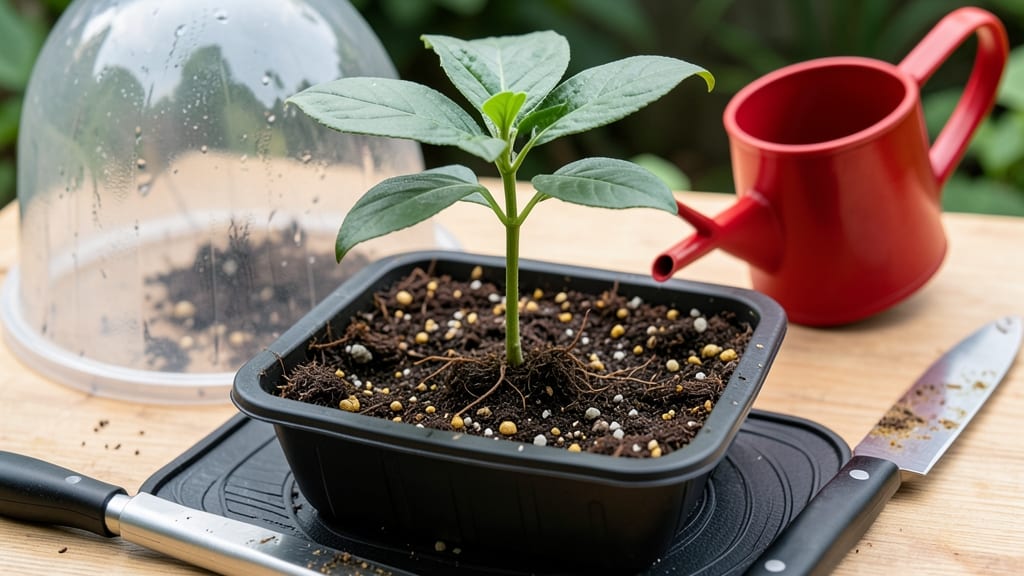
Wondering when you can plant your avocado seed in soil without risking rot or stunted growth? The answer depends on your climate and your seedling's readiness—but here's the key: patience pays off.
Most gardeners start their avocado seeds indoors in water, watching eagerly for those first roots to appear. But transferring to soil too soon can shock delicate roots, while waiting too long might mean your seedling outgrows its temporary home.
The ideal moment arrives when your 🥑 avocado tree sprouts 2-3 inches of roots and a sturdy stem with 3-4 leaves—usually after 4-12 weeks of indoor germination.
For USDA Zone 6a growers like me, timing matters even more. Spring after the last frost (around May 15) is perfect, but frost-free zones can plant year-round. The secret? Warm soil (at least 60°F) and well-draining mix to prevent soggy roots.
Ready to plant? I'll walk you through exactly how to transition your seedling into soil—plus when to fertilize and water for that strong start. Let's get growing!
Best time of year to plant avocado seeds in soil
Timing your avocado seedling’s transition from water to soil is critical—plant too soon, and root rot may set in; too late, and your young tree could struggle to adapt. Avocados thrive in warmth and consistent moisture, so aligning your planting with your local climate is key.
In most regions, spring (after the last frost) is ideal, but tropical zones (USDA 9-11) offer year-round flexibility.
For USDA Zones 8-10, aim to transplant seedlings outdoors between March and May, when soil temperatures stay above 60°F (15°C). In colder zones (6-7), wait until mid-to-late spring, ensuring nighttime temps stay above 50°F (10°C) to avoid shock.
Fall planting is risky unless you’re in a frost-free zone, as cooler temps slow growth.
| Season | Ideal Planting Window | Soil Temp Requirement | Climate Zones |
|---|---|---|---|
| Spring | After last frost (March-May) | 60°F+ (15°C+) | 6-11 |
| Summer | June-August (avoid extreme heat) | 65°F+ (18°C+) | 9-11 |
| Fall | September-October (frost-free zones) | 55°F+ (13°C+) | 9-11 |
| Winter | Indoor only (if no frost) | 60°F+ (15°C+) | All zones (container gardening) |
If you’re in a cooler climate (Zones 6-8), start seedlings indoors 8-12 weeks before the last frost to give them a head start.
Use a grow light or sunny windowsill to simulate spring conditions, then harden off seedlings by placing them outdoors for 2-3 hours daily in the week leading up to transplanting.
For tropical or subtropical zones (9-11), you can plant year-round, but avoid peak summer heat (July-August) when temps exceed 90°F (32°C). Instead, opt for early spring or late fall when humidity is lower, reducing stress on young roots.
Mulch heavily around the base to retain moisture and regulate soil temperature.
One common mistake is rushing to plant outdoors after germination. Wait until your seedling has 2-3 inches of roots and 3-4 mature leaves—this ensures it’s strong enough to handle soil stress.
In Zone 6a, this typically means waiting until late May or early June, after the average last frost date.
Pro tip: Use a soil thermometer to confirm temps are ideal. Avocado roots thrive in 65-75°F (18-24°C) soil. If your soil runs cooler, consider planting in a raised bed or black plastic-lined container to warm it faster.
This is especially useful in northern climates where spring soil can stay chilly well into May.
Remember, container-grown avocados offer the most flexibility. If your zone has short growing seasons, keep your tree in pots and move it indoors during winter. Just ensure the container has drainage holes and use a lightweight potting mix to prevent compaction.
Finally, monitor your local weather forecasts for unexpected cold snaps. Even in warm zones, a single night below 40°F (4°C) can damage young avocado seedlings. If frost is predicted, cover your plant with a frost blanket or move containers to a sheltered spot.
Signs your avocado seedling is ready for soil planting
Transplanting your avocado seedling too soon can stunt its growth, while waiting too long risks overcrowding its temporary container. Look for these 3 key signs that your seedling is ready to move into soil: a 2-3 inch root system, 3-4 mature leaves, and a thickened stem.
These indicators show your seedling has developed enough strength to handle the transition.
Start by gently removing your seedling from its water jar or germination container. If you see white, fibrous roots extending 2-3 inches downward, it’s time to plant.
Healthy roots should feel firm, not mushy or brittle. If they’re still short or sparse, give your seedling 1-2 more weeks of indoor growth before transplanting.
Next, examine the leaves and stem. Your seedling should have 3-4 glossy, green leaves that are at least 2-3 inches long. The stem should be pencil-thick or thicker and stand upright without bending.
If the leaves are yellowing or the stem feels weak, delay planting until the seedling gains more strength.
🌱
Before planting, test your soil’s readiness. Avocado seedlings thrive in well-draining soil with a slightly acidic to neutral pH (6.0-7.0). Mix 1 part perlite or sand with 2 parts potting soil to improve drainage.
If your soil feels compacted or retains too much moisture, amend it with compost or coconut coir to create an ideal growing medium.
Finally, observe your seedling’s overall growth rate. If it’s growing 1-2 inches per week and showing no signs of stress, it’s ready for soil. Avoid transplanting during extreme heat or cold, as these conditions can shock the seedling. Instead, choose a mild, overcast day for the best results.
Once you’ve confirmed these signs, your avocado seedling is ready to transition from water to soil—just follow the step-by-step transplanting guide to ensure a smooth move. The right timing now sets the stage for years of healthy growth!
🌿