
Plants
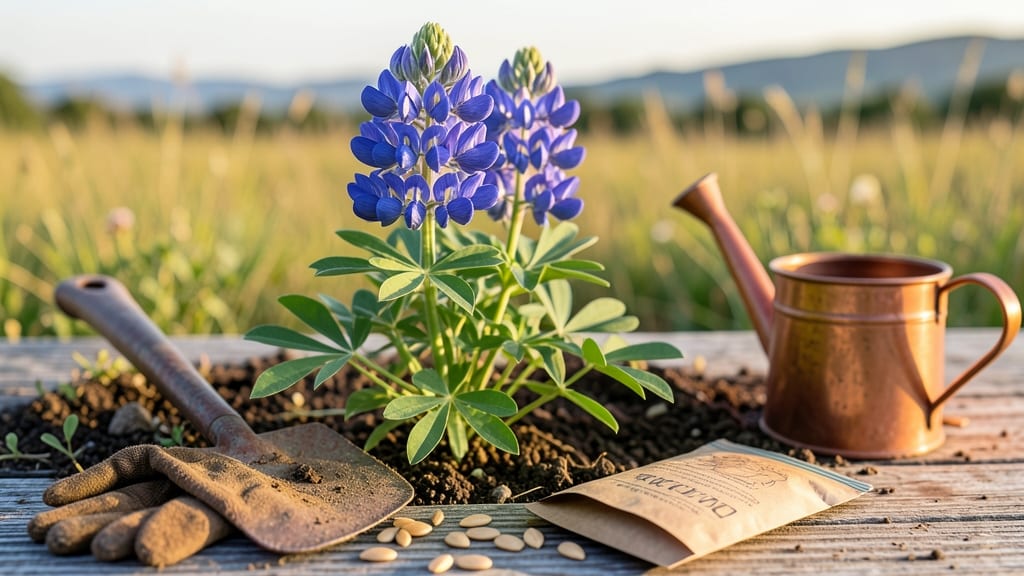
If you’ve ever driven through North Texas in spring and dreamed of those vibrant bluebonnet carpets 🌸 blanketing your landscape, you’re not alone—but getting them to thrive starts with when to plant bluebonnets in North Texas.
Planting too early risks frost damage, while waiting too long can mean weak germination and fewer blooms. The exact window for success in Zone 8a is narrow, and missing it could leave you staring at bare soil when your neighbors’ gardens burst into color.
Here’s the secret: Bluebonnets need cool soil and warm days to germinate properly, which is why late September to early October is the sweet spot. This timing lets seeds establish roots before winter’s chill sets in, ensuring they’ll bounce back stronger in spring.
But it’s not just about dates—soil prep, rainfall patterns, and even deer pressure play a role in whether your bluebonnets take hold or fade away.
I’ve seen firsthand how a well-timed planting can turn a patch of dirt into a sea of blue, while off-schedule efforts often end in disappointment.
Whether you’re a first-time gardener or a seasoned pro, this guide will walk you through the precise steps to maximize your bluebonnets’ potential—from soil temperature checks to protecting young sprouts from winter’s worst. Let’s make sure your North Texas landscape gets the show-stopping display you’ve been waiting for.
Ready to skip the guesswork? You’ll learn how to read your local climate cues, avoid common pitfalls, and even pair bluebonnets with other Texas wildflowers for a longer-lasting blooming season. The difference between a thin scattering and a lush carpet starts now—let’s get planting.
Optimal bluebonnet planting dates in North Texas by region
North Texas spans multiple USDA hardiness zones (7b-8b), meaning planting dates vary slightly from Amarillo to Dallas/Fort Worth. The key is planting 6-8 weeks before the first frost—typically late September to early October—when soil temps drop to 55–65°F for ideal germination.
This timing ensures seeds establish roots before winter dormancy.
For northern North Texas (Amarillo, Lubbock), aim for mid-September planting to avoid early frosts that can kill young seedlings. In central Texas (Fort Worth, Waco), you have until early October due to later frost dates.
Southern areas like Dallas and beyond can extend planting to mid-October with minimal risk.
Here’s how to align your planting with North Texas’ frost-free window:
| Region | Avg. First Frost | Ideal Planting Window | Soil Prep Tip |
|---|---|---|---|
| Amarillo/Lubbock | Nov 10–15 | Mid-Sept–Early Oct | Aerate clay soil in August |
| Fort Worth/Waco | Nov 15–20 | Late Sept–Early Oct | Add compost to sandy soils |
| Dallas/South | Nov 20–Dec 5 | Early–Mid Oct | Mulch after planting |
Pro tip: Use a soil thermometer to confirm temps are below 85°F before planting—this prevents seeds from baking in residual summer heat. If your soil runs hotter, wait until late September even in southern zones.
North Texas’ unpredictable rainfall adds complexity. Plant after a light rain to ensure seeds make contact with moist soil, or water gently after sowing. Avoid planting during prolonged dry spells—bluebonnets need consistent moisture for 4–6 weeks post-planting to germinate successfully.
For wildflower meadows, scatter seeds broadcast-style in late September and lightly rake to cover. In landscaped beds, plant in 1/4-inch-deep rows spaced 6–12 inches apart. Both methods work, but broadcast planting mimics Texas’ natural prairie conditions.
Timing isn’t just about frost—it’s also about competition. Plant bluebonnets before warm-season grasses (like Bermuda) take over. In lawn areas, overseed with ryegrass first, then add bluebonnets in late September to create a living carpet effect.
Remember: Bluebonnets are annuals in North Texas—they’ll self-seed if given ideal conditions. Proper fall planting ensures strong stands next spring, even if you skip fertilizing. The secret? Patience and precise timing—just like Texas gardeners do best.
🌸
Optimal bluebonnet planting dates in North Texas by region
North Texas spans USDA Zone 8a, where frost dates shift dramatically from the Panhandle to Dallas. In Amarillo (Zone 7b), the first frost hits by November 15, while Dallas (Zone 8a) typically sees frost by January 15.
This means your planting window narrows from late August to early October, but the sweet spot is always September to early October—when soil temps drop to 55–65°F and summer’s brutal heat fades.
Why this timing? Bluebonnet seeds need cool soil to germinate, but they’ll rot if planted when soil is still hot. Waiting until after Labor Day ensures you avoid both extremes.
For maximum blooms, aim for late September—this gives roots time to establish before winter’s chill, setting the stage for spring’s showstopper display.
🌸Pro Tip: Check your local frost-free date (use the Texas A&M AgriLife Extension map) and plant 6–8 weeks before the first expected frost. In Dallas/Fort Worth, that’s mid-September; in Amarillo, push it to early October.
| Region | First Frost | Ideal Planting Window | Soil Temp Goal | Local Tip |
|---|---|---|---|---|
| Amarillo (Zone 7b) | Nov 15 | Early Oct | 55–60°F | Plant after first rain in Oct to trigger germination. |
| Midland/Odessa (Zone 8a) | Nov 20 | Late Sept–Oct 10 | 55–65°F | Use mulch to retain moisture in dry soils. |
| Dallas/Fort Worth (Zone 8a) | Jan 15 | Mid-Sept–Oct 5 | 60–65°F | Avoid planting after first hard frost—seeds won’t sprout. |
| East Texas (Zone 8a/b) | Dec 1 | Sept 20–Oct 15 | 55–60°F | Pair with winter rye to prevent erosion. |
Missed the window? Don’t panic—bluebonnets are perennials, and seeds can self-sow for years. If you plant in November, germination will be slow, but the seeds may still survive winter to bloom next spring.
However, late August plantings risk summer heat stress, so they’re only viable if you’re in a shaded or high-elevation area.
For best results, pair bluebonnets with Texas wildflowers like Indian paintbrush or coreopsis—they share the same fall planting window and create a longer blooming season. Just remember: well-drained soil is non-negotiable. Bluebonnets hate soggy roots, so amend clay-heavy soils with compost or sand before planting.
💧Final Check: After planting, give seeds a light watering (just enough to moisten soil) and let nature take over. Overwatering is the #1 killer of young bluebonnets—drought tolerance starts at germination!