
Plants
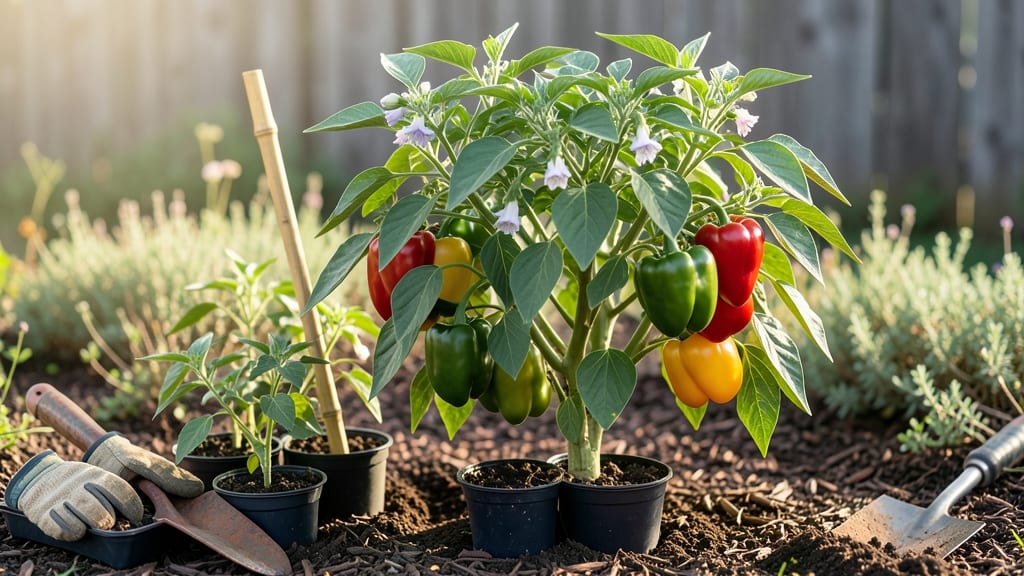
Timing your bell pepper 🌶️ planting in Washington State can make or break your harvest—get it wrong, and you’ll end up with sad, stunted plants instead of juicy, vibrant peppers.
The key isn’t just waiting for spring; it’s understanding how your microclimate (whether you’re in the rain-soaked Puget Sound or the dry heat of the Yakima Valley) dictates the perfect window.
Most gardeners in Washington’s USDA Zones 6b-9a should aim to plant after the last frost—typically between late April and early June—but soil temperature is the real game-changer.
Your peppers need 60°F+ soil to thrive, and that can mean waiting weeks longer in cooler inland areas like Spokane than in Seattle’s urban warmth.
I’ll break down the exact dates by region, plus pro tips to extend your growing season—because in Washington, where frost can sneak in as late as October, knowing when to plant is just as important as how you nurture your plants. Let’s get those peppers growing strong!
Ready to avoid the common mistakes that waste time and yield? You’ll discover how to adjust for your local climate, choose the right varieties, and even squeeze in a second harvest before winter sets in. Your future bell pepper bounty starts with the right timing.
Washington State bell pepper planting dates by USDA Zone (with frost risk analysis)
Bell peppers love Washington’s warm summers, but timing is everything. In Zone 6b (Eastern WA), like Spokane, last frosts hit around March 15, while Zone 9a (Western WA), like Seattle, can see frost as late as May 1.
The key? Wait until soil reaches 60°F (15°C)—a must for germination and growth.
Most Washington gardeners plant bell peppers after the last frost, typically between late April and early June. However, soil temperature trumps calendar dates. Use a soil thermometer to confirm readiness—cold soil delays growth and invites rot.
In cooler zones like Zone 7 (Wenatchee), start 2 weeks earlier than Zone 9.
🌱
| USDA Zone | Last Frost Date | Ideal Planting Window | Soil Temp Requirement | Notes |
|---|---|---|---|---|
| 6b (Spokane, Pullman) | March 15 | Late April - Early May | 60°F+ | Use row covers for early starts; cooler nights slow growth. |
| 7a (Yakima Valley) | April 1 | Early May - Mid-May | 60°F+ | Dry heat speeds up growth; water consistently. |
| 8a (Tri-Cities) | April 15 | Mid-May - Early June | 60°F+ | Hot summers; mulch to retain moisture. |
| 9a (Seattle, Bellingham) | May 1 | Late May - Early June | 60°F+ | Cooler coastal air; extend season with black plastic mulch. |
For gardeners in Zone 6b (Eastern WA), like those in Spokane or Pullman, the window is tight. Plant transplants (not seeds) after May 1 to avoid frost damage.
In Zone 9a (Western WA), you can push it to early June, but aim for late May for a full harvest before fall rains arrive.
🌡️ Pro Tip: If your soil isn’t warm enough by the ideal date, use black plastic mulch to raise temperatures by 5-10°F. This trick works wonders in cooler microclimates like Mount Rainier’s foothills.
Bell peppers need 70-90 days to mature, so calculate backward from your first frost date. In Zone 6b, that means planting by July 15 for a fall harvest.
In Zone 9a, you can stretch it to August 1—but watch for pests like aphids that thrive in late-summer humidity.
🌿 Warning: Avoid planting too early in wet soil. Bell peppers hate soggy roots and are prone to damping off. Amend clay-heavy soils with compost or sand to improve drainage, especially in Western WA’s rainy zones.
For longer harvests, try succession planting: Sow a new batch every 2 weeks from May to July. This works best in Zone 8a and 9a, where summers are long. In Zone 6b, focus on heat-tolerant varieties like ‘Carmen’ or ‘Apache’ to beat the clock.
🌶️ Final Check: Before planting, test your soil’s pH (6.0-6.8) and add aged compost. Bell peppers are heavy feeders, so feed them every 4-6 weeks with a balanced fertilizer (10-10-10) once they’re established.
How to adjust planting timing for Washington’s unique microclimates (beyond USDA zones)
Washington State’s USDA zones give you a starting point, but your local microclimate is the real decider. For example, Seattle’s urban heat island effect can push planting dates 1-2 weeks earlier than nearby rural areas, while Spokane’s high elevation means cooler soil that delays planting by weeks.
These nuances are why I always check local frost data and elevation maps before planting.
Even within the same city, neighborhoods can vary. A backyard in Bellingham’s coastal fog belt might need late-May planting, while a Walla Walla vineyard (protected by rain shadows) can start in mid-April. Understanding these factors helps you avoid the heartbreak of frost-nipped seedlings or heat-stressed plants.
Here’s how to fine-tune your planting schedule based on Washington’s most common microclimates:
| Region | USDA Zone | Last Frost | Adjustment | Best Planting Window |
|---|---|---|---|---|
| Puget Sound (Seattle, Tacoma) | 8a-9a | April 15-May 1 | 1 week earlier (urban heat) | Late April |
| Western WA (Bellingham, Olympia) | 7b-8b | May 1-15 | 2 weeks later (coastal fog) | Early June |
| Eastern WA (Spokane, Wenatchee) | 6b-7a | March 15-April 15 | Wait for soil >60°F (often late May) | Late May |
| Yakima Valley (Rain Shadow) | 7a-7b | April 1-15 | 1 week earlier (dry heat) | Mid-April |
| Mountainous Areas (Snoqualmie, Leavenworth) | 5b-6b | May 15-June 1 | 3+ weeks later (high elevation) | Late June |
For urban gardeners in cities like Seattle or Spokane, I recommend monitoring local weather stations (like the WSU AgWeatherNet network) for real-time soil temperature data. A soil thermometer ($10 at garden centers) is worth its weight in gold—waiting for 60°F soil is more critical than calendar dates.
In coastal areas, like the Olympic Peninsula, morning fog can delay warming. If your soil stays below 60°F past June 1, consider black plastic mulch or row covers to warm the soil faster.
Meanwhile, in eastern WA’s dry zones, you might even squeeze in a fall planting for late-season harvests if you start seeds indoors by July 1.
Pro tip: If you’re unsure about your microclimate, ask neighbors with similar yards—their bell pepper success (or failures) is your best local guide. And always keep an eye on the 10-day forecast—a late frost can turn your careful planning into a disaster in minutes. 🌱