
Companion Plants
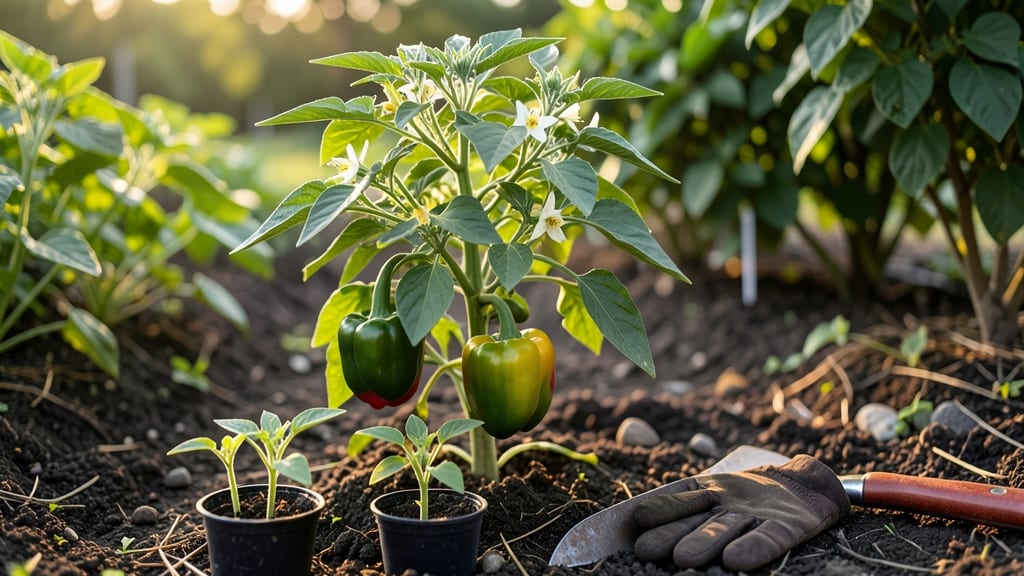
Timing your bell pepper planting in Pennsylvania isn’t just about the calendar—it’s about catching that perfect window when soil and air temperatures align for success.
Plant too soon, and your 🌶️ seedlings will shiver in cold soil; too late, and you’ll miss the 150-200 frost-free days needed for a full harvest. The right moment makes all the difference between a thriving garden and a sad, stunted plant.
Most Pennsylvania gardeners know the general rule: wait until after the last frost, which typically lands in mid-April for most zones. But here’s the catch—soil temperature matters just as much as air temperature.
Bell peppers need soil that’s at least 60°F to thrive, and that can take weeks longer than the frost date, especially in cooler regions like the 5b-7a zones. Ignore this, and you’ll end up with leggy, weak plants that struggle to produce.
So how do you get it right? Start by knowing your microclimate—whether you’re in Philadelphia’s urban heat islands or rural areas with slower warming soil. Then, decide: Are you transplanting seedlings or starting from seed?
Indoor starts give you a head start, but timing is critical to avoid overcrowding or bolted plants. Let me walk you through the exact steps to plant your bell peppers for a bumper crop this season.
By the end, you’ll know not just when to plant, but how to set your garden up for success—from soil prep to extending your growing season with simple tricks. Ready to grow peppers that actually pay off? Let’s dive in.
Best planting times for bell peppers in Pennsylvania’s growing zones
Pennsylvania’s USDA hardiness zones 5b-7a create a diverse landscape for growing bell peppers, but timing is everything. The last average frost date in most regions falls between mid-April and early May, but soil temperature matters more than air temperature.
Bell peppers need warm soil (60°F+) and consistent warmth (70°F+ air) to thrive, which often means waiting until late May in northern PA or early May in southern PA.
In Zone 5b (northwest PA, Erie), gardeners should aim for late May to early June transplants, while Zone 7a (southwest PA, Pittsburgh) can start as early as mid-April indoors and transplant by early May.
Philadelphia’s Zone 6b-7a offers flexibility, with late April to early May being ideal for transplants.
Regional microclimates play a huge role. Urban areas like Philadelphia often warm up faster than rural Lancaster County, while mountainous regions (Poconos) may need to wait until June. Always check your local frost-free date and monitor soil temperatures with a thermometer—cold soil stunts growth and invites disease.
For direct sowing (less common for peppers), wait until after Memorial Day when soil is reliably warm. However, transplants (purchased or homegrown) give you a 2-3 week head start on the season. Starting seeds indoors 8-10 weeks before last frost (late March) is the best strategy for early harvests.
Here’s a quick region-by-region breakdown to help you plan:
| Region | USDA Zone | Last Frost Date | Ideal Transplant Window | Notes |
|---|---|---|---|---|
| Philadelphia | 6b-7a | Mid-April | Late April–Early May | Urban heat islands warm soil faster; black mulch helps. |
| Pittsburgh | 6a-7a | Early May | Early–Mid May | Valley areas warm earlier than hills. |
| Erie | 5b | Late May | Late May–Early June | Cooler lakeside climate; extend season with row covers. |
| Lancaster | 6b | Mid-April | Late April–Early May | Rich soil warms quickly; great for early planting. |
| Poconos | 5a-5b | Early June | Early–Mid June | Short season; choose fast-maturing varieties. |
If you’re starting seeds indoors, begin 8-10 weeks before your last frost date. For example, Erie gardeners should start seeds by late March, while Philadelphia gardeners can start as early as mid-March.
Use grow lights to prevent leggy seedlings, and harden off plants for 7-10 days before transplanting.
Pro tip: Black plastic mulch can raise soil temperatures by 5-10°F, allowing you to plant 1-2 weeks earlier in cooler zones. Lay it down 1-2 weeks before transplanting to let it warm up the soil. Pair this with row covers for extra protection if nights are still chilly.
Remember, bell peppers are heat-loving annuals that won’t tolerate frost. Even a light frost can kill your plants, so always have a backup plan like row covers or a cold frame if late frosts sneak up.
With the right timing, you’ll be harvesting sweet, crisp peppers from July through October!
How to extend your bell pepper season in Pennsylvania’s short growing season
Pennsylvania’s short growing season can feel like a race against time for bell pepper lovers, but with the right strategies, you can stretch your harvest well into fall. The key is starting early and protecting your plants from late-season chills.
I’ve grown bell peppers successfully in PA’s Zone 6b by combining indoor starts with season-extending tools—here’s how to do it right.
Most bell pepper varieties need 120-150 frost-free days to mature, but Pennsylvania’s average first frost hits around mid-October. That means you’ll need to plant early and use tricks to keep your plants producing until the cold sets in.
Start by choosing fast-maturing varieties like ‘Sweet Banana’ (60 days) or ‘California Wonder’ (70 days), which can still yield peppers even when nights cool down.
🌱 Numbered Highlights 🌱
If you’re in northern PA (Zones 5a-6a), consider using a cold frame or mini greenhouse to extend your season even further. I’ve had great success with a simple hoop house made from PVC pipes and plastic sheeting—it can keep soil temperatures 10-15°F warmer than ambient air, giving peppers the warmth they crave.
Don’t forget to harvest regularly to encourage new fruit production. When peppers reach 70% of their mature size, pinch off the first flower cluster to delay fruiting and give the plant time to establish stronger roots.
This simple trick can add 1-2 weeks to your harvest timeline by keeping the plant focused on growth.
For gardeners in southern PA (Zones 7a-7b), you might even squeeze in a second planting of fast varieties in early June. Just be prepared to use row covers or move plants to a protected microclimate as temperatures drop in September.
With these strategies, you can enjoy homegrown bell peppers well into October—or even longer with a little creativity! 🌶️