
Plants
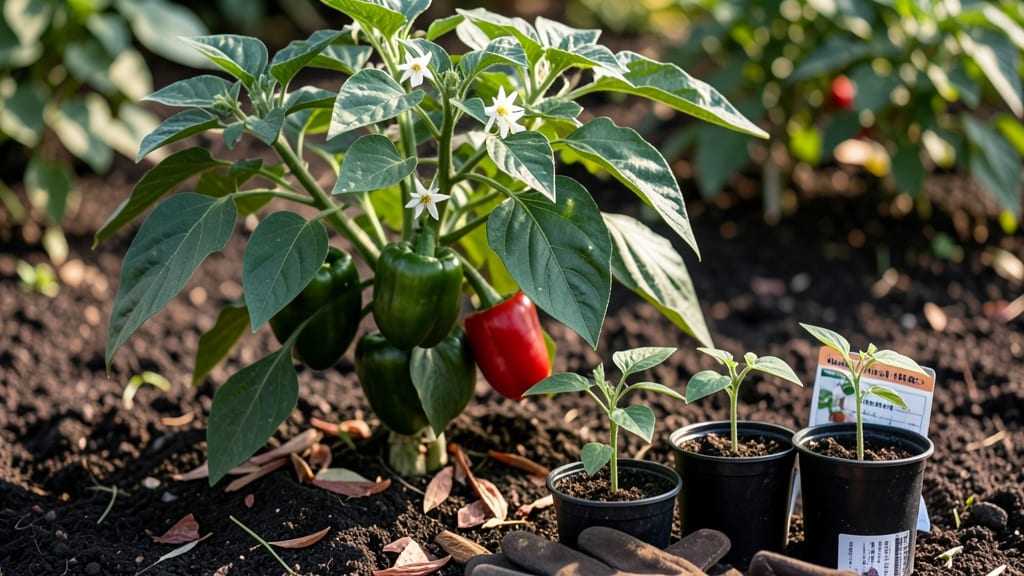
Planting your 🌶️ bell peppers at the wrong time in Ohio can mean the difference between a bountiful harvest and a sad, wilted disappointment. The key isn’t just waiting for spring—it’s timing those seeds to perfection, when soil temperatures hit 60°F and frost threats fade.
Ohio’s 6a zone gives you a narrow window between April 15 and May 15, but regional differences matter. Southern Ohio’s milder climate lets you start earlier, while northern areas like Cleveland need to wait until the last frost has passed.
I’ll break down the exact weeks for each microclimate so you don’t guess.
Whether you’re starting seeds indoors for an early jump or transplanting seedlings outdoors, I’ve got the science-backed schedule. Plus, I’ll share how to extend your season with row covers and pick the fastest-maturing varieties for Ohio’s short growing season.
Ready to turn your garden into a pepper paradise? Let’s get those 🌶️ bell peppers in the ground at the perfect moment—no more missed opportunities.
Ohio bell pepper planting calendar: exact weeks by microclimate zone
Ohio’s three distinct microclimates mean your bell pepper planting timeline should shift depending on whether you’re in southern Cincinnati, central Columbus, or northern Cleveland. The key? Soil temperature (must reach 60°F+) and last frost dates, which vary by 1–2 weeks across the state.
Let’s break it down by zone so you can avoid frost damage and maximize your harvest.
Southern Ohio (Cincinnati, Dayton) enjoys the earliest last frost dates (April 1–15), giving you a 4–6 week head start over northern regions. Meanwhile, northern Ohio (Cleveland, Akron) often waits until May 1–15—so timing is everything. Below, I’ve mapped out the exact weeks to start seeds indoors and transplant outdoors for each zone, plus critical adjustments for unpredictable weather.
🌱 Pro Tip: Use a soil thermometer ($10 at garden centers) to confirm 60°F+ soil temps before transplanting. Cold soil = stunted growth.
| Zone | Last Frost Date | Start Seeds Indoors | Transplant Outdoors | Harvest Window |
|---|---|---|---|---|
| Southern Ohio (Cincinnati, Dayton) | April 1–15 | March 1–15 | April 15–May 1 | July 15–October 15 |
| Central Ohio (Columbus, Marion) | April 15–30 | March 15–April 1 | May 1–15 | July 1–October 10 |
| Northern Ohio (Cleveland, Akron) | May 1–15 | April 1–15 | May 15–31 | July 15–September 30 |
🌡️ Critical: Adjust dates 1 week earlier if your spring is warm; 1 week later if frost lingers.
For southern Ohio gardeners, you can push the envelope by starting seeds as early as February 28 indoors (under grow lights or a sunny window) to transplant by April 15. This gives your peppers a longer growing season to mature before Ohio’s first frost (October 30).
Meanwhile, northern Ohio growers should wait until April 15 to start seeds indoors to avoid transplanting too early.
Here’s my step-by-step timeline for central Ohio (Columbus), the most common zone for home gardeners:
- March 15–April 1: Start seeds indoors (6–8 weeks before last frost). Use seedling trays with sterilized potting mix.
- April 1–15: Harden off seedlings (5–7 days) by placing them outside in partial shade during the day.
- May 1–15: Transplant outdoors after soil reaches 60°F+. Space plants 18–24 inches apart in full sun.
- June 15–July 1: Expect first peppers on early varieties (e.g., 'Early Cal Wonder', 60 days to harvest).
🌱 Why This Works: Ohio’s 165 frost-free days are tight for bell peppers, which need 70–90 days to mature. By aligning your planting with soil warmth and microclimate, you’ll avoid the #1 mistake—planting too early and risking frost damage.
If you’re in Zone 6a (most of Ohio), aim to have mature plants (not seedlings!) in the ground by May 15. This gives you a 120-day window to harvest before the first frost.
For late-season varieties (e.g., 'Carmen', 90 days), you’ll need to start seeds by March 15 to meet this deadline.
For succession planting, sow a second batch of seeds indoors on April 15 and transplant in early June. This ensures peppers ripen through September and October, extending your harvest by 4–6 weeks. Just be prepared to use row covers if a late frost threatens!
Soil temperature is more critical than air temperature. Use a soil thermometer—bell peppers need 60°F+ soil to thrive. In cooler zones, wait until May 15 even if frost risk drops earlier. I’ve seen 30% yield losses when planting too soon in northern Ohio.
For succession planting, sow a second batch June 1-15 in all regions. This extends harvests until October 30 before first frost. Use row covers to push harvests even later if needed.
Pro tip: Test your soil in early spring. Ohio’s clay-heavy soils benefit from compost amendments to improve drainage. Aim for a pH of 6.0-6.8—bell peppers are sensitive to acidic soils.
Remember, weather patterns shift yearly. Check the Old Farmer’s Almanac or your local Cooperative Extension office for updates. Even a 2-week delay can mean the difference between plump peppers and stunted plants.