
Plants
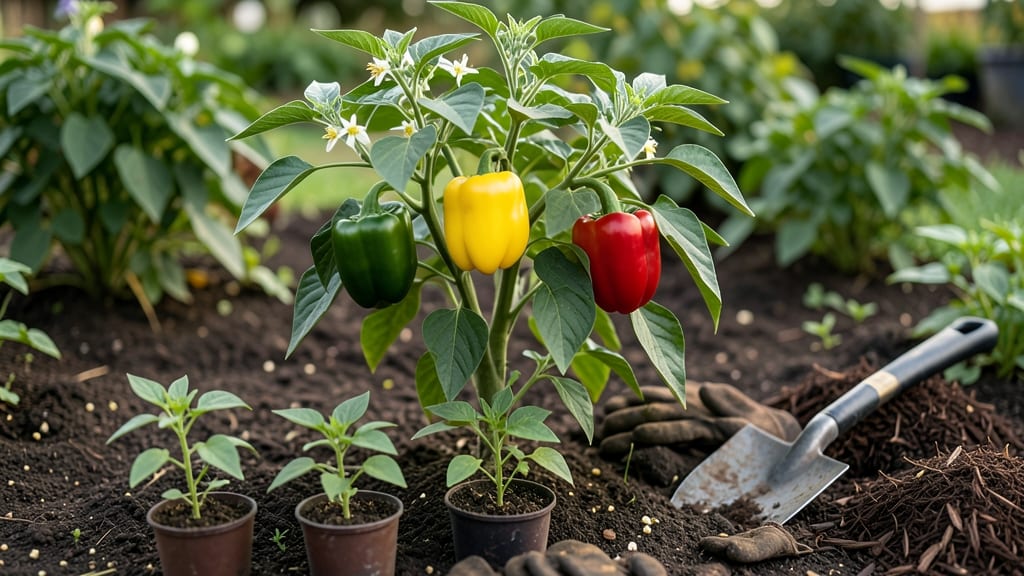
Timing your bell pepper planting in Arizona isn't just a suggestion—it's the difference between a thriving 🌶️ harvest and wasted effort. With USDA Zone 9b heat kicking in early, planting too soon risks frost damage, while waiting too long can leave you scrambling as summer temperatures soar.
Most gardeners in Arizona swear by late winter to early spring as the sweet spot, but there's more to it than just months. Soil temperatures, microclimates, and even your elevation play crucial roles.
I'll break down exactly when to start seeds indoors, when to transplant seedlings, and how to adjust for Phoenix's urban heat islands versus cooler high-desert areas.
What you'll discover is that Arizona's long growing season actually gives you two prime planting windows—spring and fall—that most guides overlook. We'll cover everything from heat-tolerant varieties that won't wilt at 110°F to simple tricks like shade cloth that can extend your harvest by weeks.
The best part? These strategies work whether you're a first-time gardener or a seasoned pro looking to maximize your 300+ frost-free days. Let's get your bell peppers growing strong when they count most—before the real heat sets in.
Arizona bell pepper planting calendar: best months by heat Zone
Arizona’s diverse climate—from the sweltering Sonoran Desert to the cooler high-desert regions—means bell pepper planting windows vary dramatically. In Phoenix (Zone 10), you can plant as early as January, while Flagstaff (Zone 7) gardeners should wait until late April to avoid frost.
Understanding your USDA Zone and microclimate is key to avoiding heat stress or premature bolting.
Bell peppers thrive in warm soil (60°F+) and consistent temperatures above 55°F. Arizona’s last frost dates are typically mid-December in lowlands and March in high deserts, but heat waves in May can stress young seedlings. Timing your plantings around these extremes ensures healthy growth and abundant harvests.
For most of Arizona, March and April are the sweet spot for transplanting seedlings or direct sowing. In Zone 9-10 (Phoenix, Tucson), you can even start late winter sowings (February) under row covers to jumpstart growth.
Meanwhile, high-desert areas (Sedona, Prescott) should hold off until after May 1 to guarantee safety from late frosts.
| Zone & Location | Ideal Planting Window | Soil Temp Requirement | Key Risks |
|---|---|---|---|
| Zone 6-7 (Flagstaff, Sedona) | Late April – Early May | 60°F+ (test with soil thermometer) | Late frosts, slow soil warming |
| Zone 8 (Prescott, Jerome) | Mid-March – Early April | 60°F+ (use black plastic mulch to warm soil) | Heat stress in June, monsoon downpours |
| Zone 9-10 (Phoenix, Tucson) | January – March (transplants) or September (fall crop) | 65°F+ (direct sow after March 15) | Extreme heat (110°F+), poor pollination |
| All Zones (Fall Planting) | Mid-August – Early September | 70°F+ (soil must stay warm) | Early frosts, reduced daylight |
🌱 Pro Tip: Use a soil thermometer to confirm readiness—bell peppers won’t thrive in cold soil!
Direct sowing vs. transplanting is another critical choice. Transplants give you a 2-3 week head start and are ideal for Zone 9-10 gardeners who want to beat the heat. Start seeds indoors in February under grow lights, then harden off seedlings before transplanting in March.
For direct sowing, wait until after April 15 in most areas to avoid seedling rot from lingering cool nights.
Arizona’s monsoon season (July-August) can actually benefit fall plantings if timed right. Mid-August sowings in Zone 9-10 often produce larger peppers thanks to the humidity and cloud cover that reduce heat stress. Just be prepared for flash floods—raise beds or use swales to manage excess water.
Heat-tolerant varieties like ‘NuMex Sandia’ or ‘Carmen’ are your best bets for Arizona’s extremes. These drought-resistant peppers handle 100°F+ days better than standard varieties. Pair them with drip irrigation and shade cloth (30-50%) during peak summer to maximize yields.
Even in Zone 6-7, choosing the right variety can extend your harvest window by 3-4 weeks.
Don’t overlook fall planting—it’s a secret weapon in Arizona. While spring plantings dominate, a September sowing in Zone 9-10 can yield peppers until December. The key? Use black plastic mulch to retain soil heat and row covers to protect against early frosts.
Just remember: peppers need 8-10 hours of daylight to set fruit, so avoid planting after mid-October.
Microclimates play a huge role in Arizona. A south-facing slope in Sedona might warm up 2 weeks earlier
How to extend your bell pepper growing season in Arizona’s heat
Arizona’s summer heat can turn your bell pepper plants into crispy snacks if you don’t act fast. But with the right tricks, you can push your harvest well into fall—even when temps hit 110°F.
I’ve grown peppers in Phoenix for years, and these strategies have saved my plants (and my sanity) during the hottest months.
The key is heat management. Bell peppers thrive in 70-85°F soil temps, but Arizona’s ground can hit 100°F+ by June. Without protection, your seedlings will wilt faster than a snowman in July. Start by choosing heat-tolerant varieties like ‘NuMex Heritage’ or ‘Jupiter’—they handle the desert sun like pros.
Here’s my battle-tested plan to keep your peppers happy in the scorching Arizona sun:
- Shade cloth (30-50%): Install floating row covers or shade nets over seedlings when temps exceed 90°F. Remove in early morning to let them bask in sun.
- Drip irrigation only: Water at the base of plants in the early morning to avoid fungal issues. Avoid overhead sprinklers—they turn leaves into solar panels.
- Mulch like a pro: Use 4-6 inches of straw or wood chips to keep soil cool and retain moisture. Dark mulch also reflects less heat than bare ground.
- Adjust planting depth: Bury seedlings deeper than usual (up to the first leaves) to encourage stronger root systems that reach cooler soil.
- Fall planting prep: Start seeds indoors in July-August for a late-summer transplant. This lets them establish roots before winter cools things down.
Don’t forget to monitor soil moisture—Arizona’s alkaline soil drains fast. Stick your finger 2 inches deep; if it’s dry, water deeply. And if your peppers start dropping flowers, they’re heat-stressed. Move them to partial shade for a week to recover.
With these tricks, I’ve had peppers producing well into October, even in 105°F heat. The secret? Stay ahead of the sun—your plants will thank you with a bounty of crisp, flavorful peppers when everyone else’s garden is wilting.
Pro tip: Keep a spray bottle handy for quick leaf misting on 100°F+ days. It buys you time until evening cools things down. 🌿