
How To
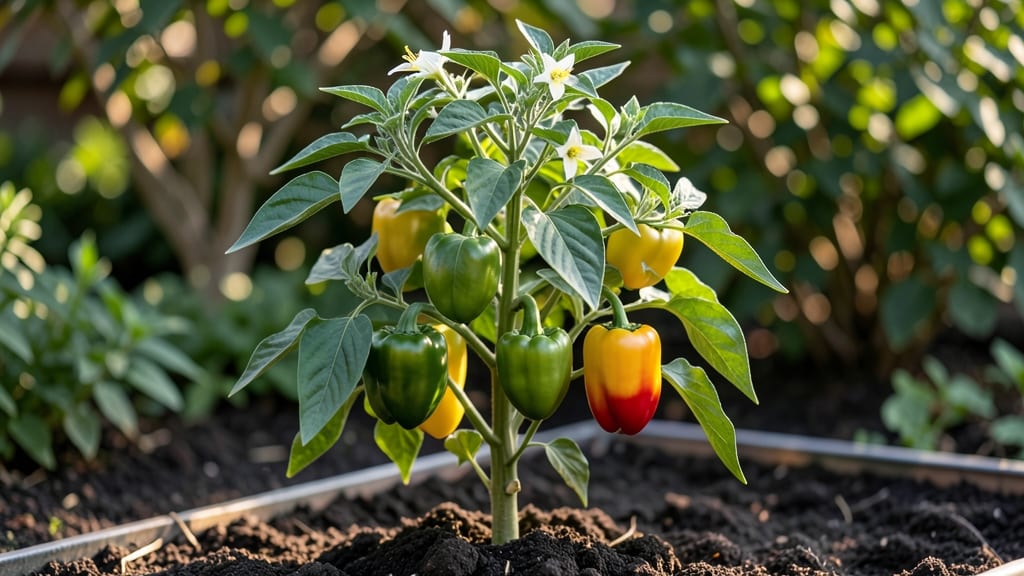
If you're planning your garden layout this spring, knowing how tall does bell pepper plant grow could save you from cramped spaces or wasted effort. These 🌶️ plants come in surprising size variations—some stay compact enough for windowsill pots, while others reach nearly waist-high in your backyard.
The right variety makes all the difference. Dwarf types like 'Mini Bell' max out around 18 inches, perfect for containers, while standard varieties can stretch to 36 inches or more. This height range directly impacts where you plant them and how you support them as they grow.
But it's not just about the variety—sunlight, pruning, and even your local climate play key roles in how tall your bell peppers become.
Let me break down everything you need to know to choose the perfect spot and keep your plants thriving, whether you're working with limited space or a sprawling garden bed.
You'll discover which varieties suit your growing conditions best, how to train taller plants for maximum yield, and clever spacing tricks that work for both containers and in-ground planting. Ready to get started?

Bell pepper plant height by variety: compact vs. tall-growing types
If you're planning your garden layout, knowing how tall bell pepper plants grow is crucial—especially when choosing between compact varieties and tall-growing types.
Most bell peppers fall between 18 inches and 4 feet, but some dwarf varieties stay under 12 inches, while heirloom types can reach 5 feet or more. The difference often comes down to genetics and growth habits, so let’s break down the most common varieties by height.
For container gardening, dwarf varieties like 'Snackable' or 'Pico Bella' are ideal—they top out at 12–18 inches, making them perfect for windowsills or small pots. Meanwhile, standard varieties such as 'California Wonder' or 'Jupiter' typically grow 3–4 feet tall, requiring more space or staking.
Some bush varieties, like 'Arpad F1', stay around 2–3 feet, balancing yield and space efficiency.
🌶️
| Variety | Mature Height | Growth Habit | Best For |
|---|---|---|---|
| 'Snackable' | 12–18 inches | Dwarf, bushy | Containers, small spaces |
| 'Pico Bella' | 12–15 inches | Compact, determinate | Windowsills, urban gardens |
| 'Arpad F1' | 2–3 feet | Bush, semi-dwarf | In-ground beds, small plots |
| 'California Wonder' | 3–4 feet | Standard, indeterminate | Large gardens, trellises |
| 'Jupiter' | 3–4 feet | Tall, productive | Sprawling gardens, staking |
| 'Black Beauty' | 4–5 feet | Heirloom, tall | Rural gardens, trellis support |
Taller varieties like 'Black Beauty' or 'Monastery' can grow 4–5 feet, but they often produce more peppers if given proper support. If you're working with limited space, consider pruning techniques to control height—pinching back the top growth can redirect energy to fruit production instead of vertical growth.
For container gardening, stick to dwarf or semi-dwarf varieties to avoid root-bound issues. A 5-gallon pot works well for compact types, while larger containers (10+ gallons) accommodate taller varieties if you provide a cage or trellis.
Always ensure pots have drainage holes to prevent root rot, a common issue with overwatered bell peppers.
🪴
Another key factor is whether the variety is determinate (bush-type, stops growing after fruiting) or indeterminate (keeps growing and producing). Determinate types like 'Arpad F1' are great for small gardens because they mature quickly and don’t require pruning.
Indeterminate types, like 'California Wonder', need more space and ongoing care but reward you with a longer harvest season.
If you're unsure which variety to choose, start with a mix of heights—plant a few dwarf types near your patio for easy picking and a taller variety in a corner with a trellis. This way, you get the best of both worlds: accessibility and high yields.
Just remember, even compact varieties can stretch taller with proper care, so always monitor their growth and adjust support as needed.
☀️
Bell pepper plant height by variety: compact vs. tall-growing types
Bell peppers aren’t one-size-fits-all when it comes to height. Some varieties stay as small as 12 inches, while others can reach 4 feet or more with proper care. Understanding these differences helps you plan your garden layout—whether you’re working with tight patio spaces or spacious raised beds.
Dwarf varieties like 'Mini Bell' or 'Snackbell' are perfect for containers or small gardens, while standard types such as 'California Wonder' or 'Jupiter' need more room. Even within categories, growth habits vary—some bush types stay compact, while others grow taller with vining tendencies.
Here’s how to match your space to the right variety:
Taller varieties like 'Jupiter' or 'Big Jim' can become top-heavy with fruit, so they need sturdy support like cages or trellises. Even compact varieties benefit from a little guidance—adding a small stake early prevents flopping, especially in windy conditions.
For container gardening, stick to dwarf or semi-dwarf varieties like 'Snackbell' or 'Lucky Lady.' These thrive in 5-gallon pots with proper drainage, making them ideal for balconies or patios. Just ensure your container is at least 12 inches deep to accommodate root growth.
If you’re unsure which variety to choose, start with a mix of heights. Plant 1–2 dwarf varieties near the front of your garden bed and taller types in the back. This creates visual interest while maximizing space efficiency.
Remember, even within the same variety, height can vary based on growing conditions. A 'California Wonder' in full sun might reach 4 feet, while one in partial shade could stay closer to 3 feet. Pay attention to your plants’ growth patterns and adjust support as needed.