
Plants
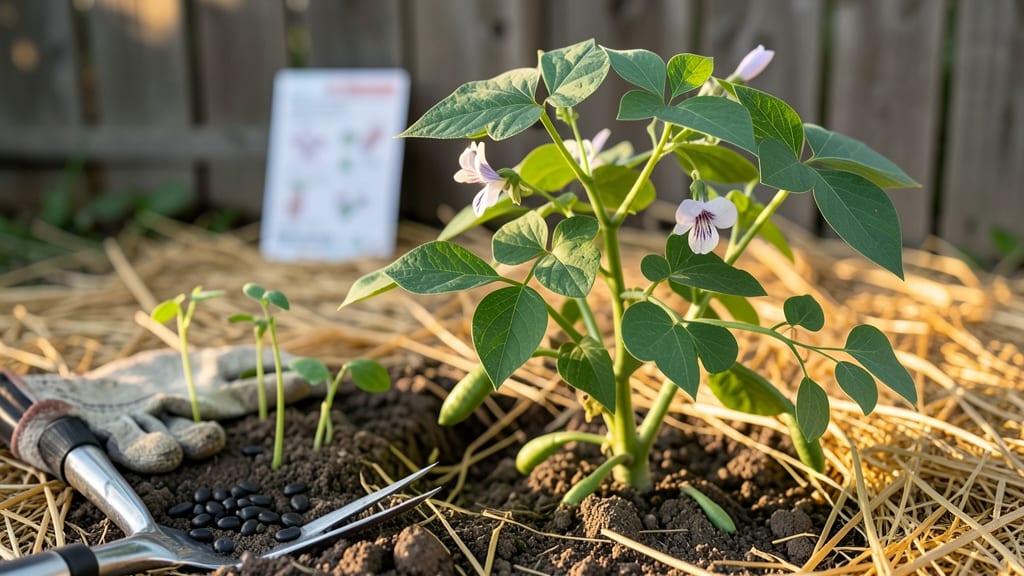
Timing your Beans planting in Ontario can mean the difference between a thriving harvest and wasted effort—especially when unpredictable frosts lurk around every corner. The key isn’t just waiting for April 15, but tracking soil temperatures that guarantee fast germination and strong starts.
In zones 5a-6b, where last frost typically hits between late April and early May, most gardeners rush to plant too soon—only to watch their seeds rot in cold soil. But when those temperatures hit 50°F (10°C), that’s your green light to sow 🌱 seeds directly into the ground.
This guide breaks down exactly when to plant for Ontario’s climate, which varieties thrive in your region, and how to adjust for late springs.
Whether you’re growing bush beans or pole varieties, these soil temp triggers will help you skip the guesswork and get a head start on a productive summer.
Ready to avoid common mistakes and maximize your harvest? Let’s dive into the science behind fast-growing beans—and why waiting for the perfect moment pays off big time.
Ontario bean planting timeline based on soil temperature zones
Ontario’s diverse climate—from Southern Ontario’s warmer zones to Northern Ontario’s cooler regions—means your bean planting timeline should align with local soil temperatures, not just calendar dates. The golden rule? Wait until the soil reaches a steady 50°F (10°C), the minimum temperature for reliable germination.
This threshold typically occurs 2–4 weeks after your last frost date, which varies from late April in Toronto to early June in Northern Ontario.
For example, in Zone 6a (London, Hamilton), you might start sowing bush beans as early as May 1, while in Zone 5a (Sudbury, North Bay), you’ll likely wait until mid-May or even early June.
Pole beans, which take longer to mature, benefit from a slightly later start—2–3 weeks after bush beans—to ensure they have enough time to produce before frost hits in late September or October.
Runner beans, the tallest and slowest-maturing variety, need even more warmth. Aim to plant them after June 1 in most of Ontario, giving them 100–120 frost-free days to reach harvest.
In Southern Ontario (Zones 6–7), this means you can push the envelope slightly, but in Northern Ontario (Zones 4–5), focus on early-maturing varieties or use row covers to extend the season.
🔹 Pro Tip: Use a soil thermometer (not an air thermometer) to confirm readiness. Stick it 2 inches deep—the depth where bean seeds will be planted—and check in the morning for accuracy. If the temperature dips below 50°F (10°C) at night, wait a few more days.
Here’s how Ontario’s three main regions break down for bean planting:
🌱 Why This Matters: Planting beans too early in cool soil leads to poor germination and weak seedlings. Conversely, waiting until July risks a short harvest window before frost. The key is balancing soil warmth with frost-free days—aim for 90–120 days to maturity for most varieties.
If you’re in Southern Ontario, you can even try a second planting in early July for a late-summer harvest. Choose fast-maturing varieties (like ‘Provider’ or ‘Blue Lake’) and plant near a south-facing wall or use black plastic mulch to warm the soil faster.
Just be prepared to protect seedlings with row covers if a late frost sneaks in.
For Central and Northern Ontario, focus on one main planting in early June, paired with cold-hardy varieties like ‘Kentucky Wonder’ or ‘Tendercrop.’ These can tolerate slightly cooler soils and still produce a reliable harvest before the first frost in September or October.
💡 Local Resource: Check Ontario’s Historical Frost Dates on the Ontario Ministry of Agriculture website or use the Canadian Hardiness Zone Finder to pinpoint your exact last frost date. This ensures you’re not guessing—you’re data-driven!
Finally, remember that soil temperature isn’t the only factor. Daytime temperatures should also be consistently above 60°F (15°C) for healthy growth.
If nights are still chilly (below 50°F/10°C), use row covers or plant in a protected microclimate (like near a building or fence) to give your beans a head start.
How to test soil temperature and adjust planting for Ontario’s unpredictable spring
Ontario’s spring weather can be as unpredictable as a whirlwind, with late frosts lingering into May even after the calendar says it’s safe to plant. That’s why relying on soil temperature—not just frost dates—is your best bet for successful bean germination.
A simple soil thermometer ($10 at garden centers) will give you real-time data to avoid the #1 mistake: planting too early.
Most bean seeds need soil at least 50°F (10°C) to sprout reliably. In Southern Ontario (zones 6a-6b), this often means waiting until mid-May, while Northern regions (5a-5b) may need to hold off until early June.
Check temperatures in the morning (soil warms up during the day), and aim for consistency over a few days before planting.
🌱Pro Tip: If your soil is still cold but you’re eager to start, try a cold frame or row cover. These can add 5-10°F to soil temps, accelerating germination by 1-2 weeks. Just remove covers once plants emerge to prevent overheating.
⚠️ Late Frost Warning
Never plant beans before your region’s average last frost date—even if soil is warm. Use Environment Canada’s frost maps (or local garden club data) as a backup. For example, Toronto’s last frost is typically May 15, but 2023 saw frosts into June 2!
Action: If frost is forecasted, cover young seedlings with frost cloth or a lightweight blanket secured with bricks.
For gardeners in Northern Ontario (zones 4-5), where summers are shorter, focus on fast-maturing varieties (like ‘Provider’ or ‘Tendergreen’) and plant as soon as soil hits 50°F, even if it’s early June. In these areas, a 2-week delay can mean missing the harvest window entirely.
If you’re still unsure, try the “finger test”: Stick your hand in the soil 2 inches deep. If it feels cool but not freezing, it’s likely in the 50-55°F range.
Combine this with a soil thermometer for accuracy, especially in raised beds (they warm up faster than ground soil).
Remember: Patience pays off. Rushing into the garden when soil is cold leads to slow germination, weak seedlings, and higher chances of disease. With the right tools and timing, your beans will be sprouting in 7-10 days and ready for harvest by summer!