
Plants
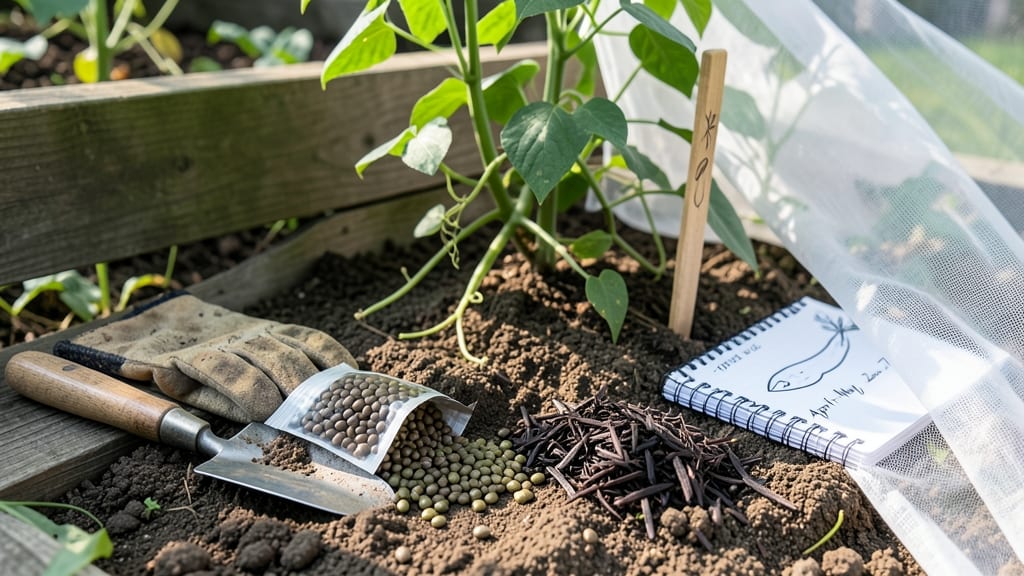
Timing your bean planting in Zone 7 could make or break your harvest—especially when it comes to soil temperature. Those little 🌱 seeds need warmth to germinate quickly, and getting the timing wrong means waiting weeks for sprouts or worse, watching them fail entirely.
In Zone 7's 7a-7b climate, where springs can swing from chilly to sweltering, knowing the perfect window matters more than you might think. Plant too early, and your beans will sit in cold soil, struggling to break through. Too late, and summer heat might stress them before they even mature.
Here's the game-changer: most gardeners in Zone 7 get it wrong by focusing only on frost dates instead of soil temps. The key is waiting until the ground reaches 60°F—that's when beans wake up and grow fast.
I'll show you exactly when to plant for two harvests: once in spring and again in fall.
Ready to skip the guesswork? Let's dive into the soil temperature triggers that'll have your beans popping up in just 5-7 days—no more waiting around for slow starts. Your garden (and your dinner table) will thank you.

Optimal soil temperature ranges for planting beans in Zone 7
Getting your bean seeds in the ground at the right soil temperature is the single most important factor for fast germination in Zone 7. Unlike cooler crops, beans need warmth to sprout—too cold, and they’ll rot in the soil; too hot, and they’ll bolt before producing pods.
In my experience, mastering this balance has doubled my harvests over the years.
For bush beans and pole beans, the ideal soil temperature ranges differ slightly. Bush beans (like Blue Lake or Kentucky Wonder) prefer cooler conditions to start, while pole beans (such as Rattlesnake or Scarlet Runner) thrive when the soil is warmer.
Understanding these differences helps you time plantings for maximum success, especially in Zone 7’s variable spring weather.
Here’s the soil temperature breakdown you need to know for Zone 7, including how to adjust for microclimates and germination speed:
| Bean Type | Ideal Soil Temp | Germination Time | Zone 7 Planting Window | Microclimate Tip |
|---|---|---|---|---|
| Bush Beans | 50–65°F | 7–10 days | March–April (after last frost) | Plant in warmer microclimates (e.g., near south-facing fences) 1–2 weeks earlier. |
| Pole Beans | 60–85°F | 5–7 days | May–June or August–September | Avoid late spring plantings if soil temps exceed 85°F—use shade cloth if needed. |
| Both Types | Minimum: 50°F | N/A | N/A | Use a soil thermometer to confirm temps before planting. |
In Zone 7, soil temperatures can fluctuate wildly between day and night, especially in March and April. To compensate, I recommend planting bush beans in raised beds, which warm up faster than in-ground soil.
For pole beans, wait until the soil consistently stays above 60°F—usually mid-May—to avoid stunted growth.
If you’re planting in late summer for a fall harvest, aim for August when soil temps drop below 85°F. This second planting window is perfect for pole beans, which can handle the cooler fall nights better than bush varieties.
Just be sure to mulch heavily to protect roots from early frost risks.
Pro tip: Direct sow beans instead of starting indoors—they hate transplanting. Use a seedling heating mat if your soil runs cold, or try black plastic mulch to raise temperatures by 5–10°F. This trick has saved my early spring plantings from rot and poor germination time and time again.
One mistake I see often? Planting beans too early because the air temperature feels warm, but the soil is still cold. Always check the soil—not the air—with a thermometer. If it’s below 50°F, wait. Patience here pays off with stronger seedlings and higher yields.
For succession planting, sow new seeds every 2 weeks after your initial planting. This ensures a continuous harvest throughout the summer and fall, especially in Zone 7’s long growing season. Just remember: pole beans need trellises, so install those before planting to avoid root disturbance.
Finally, if you’re in a humid microclimate (common in parts of Zone 7), avoid overhead watering after planting. Fungal diseases like rhizoctonia thrive in wet soil, and beans are particularly susceptible. Water at the base instead, and consider fungicide treatments if your area is prone to damp conditions.
Mastering these soil temperature triggers will give you consistent, bountiful bean harvests in Zone 7—no more mysterious seed failures or bolting plants. Start with a small test patch to dial in your timing, and soon you’ll be enjoying fresh, homegrown beans all season long! 🌱
Optimal soil temperature ranges for planting beans in Zone 7
In Zone 7, the soil temperature is the real game-changer for bean success—not just the air temperature. Most gardeners wait for the last frost (around April 15), but your beans won’t germinate well until the soil warms up.
For fast sprouting, aim for 60-65°F—this is when beans wake up and grow 3x faster than in cooler soil.
Why does this matter? Beans are sensitive to cold soil. If you plant too early, seeds may rot or take 2-3 weeks to sprout instead of the ideal 5-7 days.
In Zone 7’s 7a-7b climate, soil warms unevenly, so checking with a soil thermometer (or your elbow—warm soil feels like a baby’s skin) is key.
Here’s the breakdown: Bush beans (like 'Blue Lake') prefer 60-70°F, while pole beans (like 'Kentucky Wonder') thrive in 70-85°F. The difference? Pole beans need extra warmth to climb and produce heavy vines.
If your soil hits 85°F+, beans may bolt (flower too quickly), so late summer plantings need shade cloth.
🌱 Bean Soil Temp Comparison for Zone 7
| Bean Type | Ideal Soil Temp | Germination Time | Zone 7 Planting Window |
|---|---|---|---|
| Bush Beans | 60-70°F | 5-7 days | April 20 - May 15 |
| Pole Beans | 70-85°F | 7-10 days | May 1 - June 10 |
| Fall Planting (Both) | 60-75°F | 6-9 days | August 15 - September 10 |
💡 Pro Tip: Use black plastic mulch to warm soil 5-10°F faster in spring!
Zone 7’s microclimates add another layer. If you’re in a valley or low-lying area, soil warms earlier (sometimes by 1-2 weeks) than higher elevations. Test your spot: dig a 6-inch hole, fill it with water, and check the temp with a thermometer.
If it’s below 60°F, wait a few days.
For a second harvest, plant again in late summer (August) when soil cools slightly. This avoids the 90°F+ heat that stresses beans. Use shade cloth (30%) if temps climb above 85°F during the day. Your beans will thank you with sweeter pods and fewer pests.
Remember: Soil temp > air temp. Even if the air feels warm, cool soil will stall germination. Grab that thermometer—your bean harvest depends on it! 🌱