
Plants
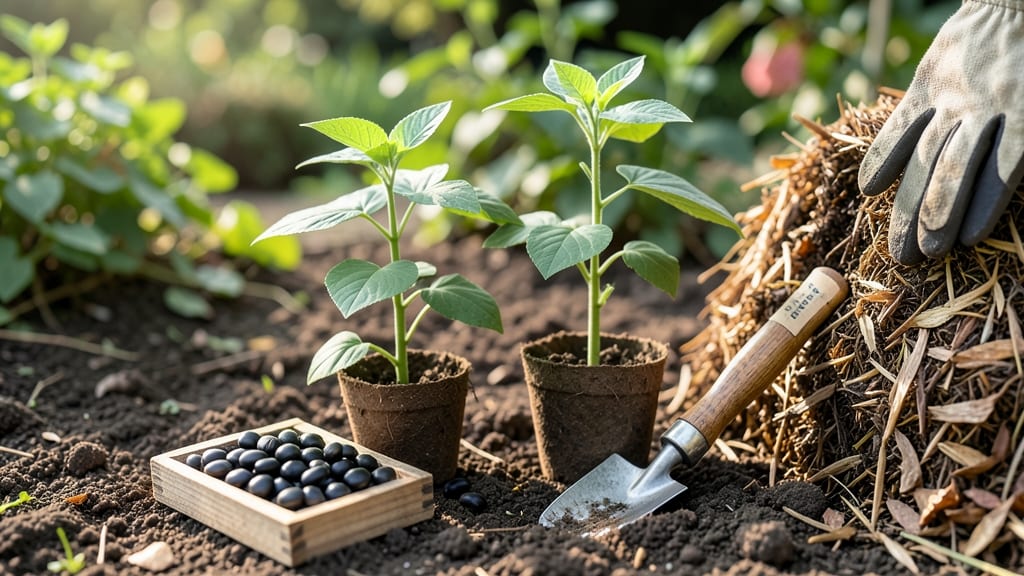
Planting bush beans 🌱 in Florida might seem simple, but timing is everything—get it wrong, and you’ll end up with slow germination or even no harvest at all.
The key to fast, reliable growth isn’t just about the calendar; it’s about soil temperature triggers that most gardeners overlook, especially in Florida’s unpredictable climate.
Unlike cooler regions, Florida’s 8a-11 zones let you grow bush beans year-round, but the best results come when you plant during cooler months. Whether you’re in North or South Florida, understanding when the soil hits that sweet spot—60°F+—makes all the difference for quick sprouting and strong plants.
I’ve tested the ideal planting windows, from early fall to late spring, and I’ll show you exactly when to put those seeds in the ground for the fastest germination.
Plus, I’ll cover how to adjust for Florida’s humidity, pests, and even how to extend your harvest window when the heat rolls in.
Ready to grow bush beans that thrive? Let’s dive into the soil temperature secrets that’ll give you a bountiful harvest—without the guesswork.
Optimal planting windows for bush beans in Florida’s climate zones
Florida’s diverse climate zones—from North Florida’s cooler winters to South Florida’s frost-free summers—create unique challenges for bush bean growers. Unlike northern states, Florida’s soil temperature rarely dips below 60°F, but peak summer heat (above 85°F) can stall germination.
The key is timing your plantings to align with cooler months when beans thrive.
Bush beans grow best when soil temperatures stay between 60°F and 80°F. In Florida, this means focusing on early spring and fall plantings, while avoiding the dog days of summer.
North Florida’s frost risk (as late as January 15) also demands strategic timing to protect young plants.
Here’s how to pinpoint the best planting windows for your region:
| Region | Best Planting Window | Soil Temp Threshold | Frost Risk | Harvest Window |
|---|---|---|---|---|
| North Florida (Zones 8a-9a) | Late Jan–Early Mar Late Aug–Early Oct |
60°F+ (min) 80°F (max) |
High (Jan–Feb) | Mar–Apr Sep–Nov |
| Central Florida (Zones 9b-10a) | Mid-Feb–Early Apr Mid-Aug–Late Sep |
60°F+ (min) 80°F (max) |
Low (occasional Dec) | Apr–May Sep–Oct |
| South Florida (Zones 10b-11) | Year-round (best Sep–Mar) | 65°F+ (min) 85°F (max) |
None | Oct–Feb Apr–Jun (shade) |
For North Florida, aim for two plantings per year: one in late winter (after frost risk passes) and another in early fall to escape summer’s oppressive heat. Central Florida gardeners can stretch this to three plantings, adding a mid-summer batch with afternoon shade.
In South Florida, where frost is rare, you can plant year-round, but prioritize September through March for optimal growth. Use shade cloth during peak summer months (June–August) to protect seedlings from heat stress.
Pro tip: In North and Central Florida, use row covers in late winter to create a microclimate that warms soil faster. This lets you plant 2–3 weeks earlier than the average window, giving you an earlier harvest.
Timing isn’t just about avoiding frost—it’s also about soil moisture. Florida’s summer rains can lead to waterlogged soil, which stunts bean growth. Always plant when rainfall is light or use raised beds for better drainage.
One common mistake? Planting too early in spring when soil is still cool. Even if air temps feel warm, soil temperature lags behind. Use a soil thermometer (or the back-of-the-hand test) to confirm it’s 60°F+ before sowing.
For fall plantings, start seeds indoors 8–10 weeks before your average first frost date (or early August for North Florida). This gives seedlings a head start before cooler nights slow growth.
Soil temperature triggers: how to test and adjust for faster germination
Bush beans 🌱 need soil temperatures of at least 60°F to germinate properly, but Florida’s unpredictable spring weather can throw off your timing. If you plant too early—say, in February in North Florida—your seeds might sit in cold soil for weeks, leading to slow sprouting or even rot.
I’ve learned the hard way that checking soil temperature isn’t just about the calendar; it’s about the real conditions in your garden bed.
Use a soil thermometer (they’re cheap and worth it!) to test your garden’s temperature at a depth of 2 inches—this is where your seeds will be. In South Florida, soil temps often hit 60°F by mid-January, while North Florida might need to wait until late March.
The key is patience: rushing can backfire, especially when Florida’s unpredictable rain cools the soil unexpectedly.
If your soil is too cold, try a few tricks to speed up warming. Lay down black plastic mulch a week before planting to absorb sunlight and raise soil temps by 5-10°F.
Another trick? Plant in raised beds, which warm up faster than in-ground soil. I’ve seen raised beds hit germination-friendly temps 2 weeks earlier than traditional garden plots in North Florida.
Adjust your planting depth too—seeds need 1-2 inches of soil cover, but in cooler soil, plant them only 1 inch deep to reduce the distance they need to sprout.
This small tweak can cut germination time by nearly half, especially in Florida’s humid springs when soil stays damp but cold.
For late spring plantings (May-June), focus on afternoon shade to prevent soil from overheating above 85°F, which can also stunt germination. Use shade cloth or plant near taller crops like corn or sunflowers.
I’ve had great success with shade-cloth tunnels in my South Florida garden, keeping soil temps just right for consistent sprouting.
Finally, keep an eye on your local 7-day forecast. If a cold front is coming, delay planting until temps stabilize. I once planted in early April only to have a 3-day cold snap drop soil temps to 55°F—my germination rate dropped from 90% to just 30%.
A little weather watch goes a long way in Florida’s changeable climate.