
Plants
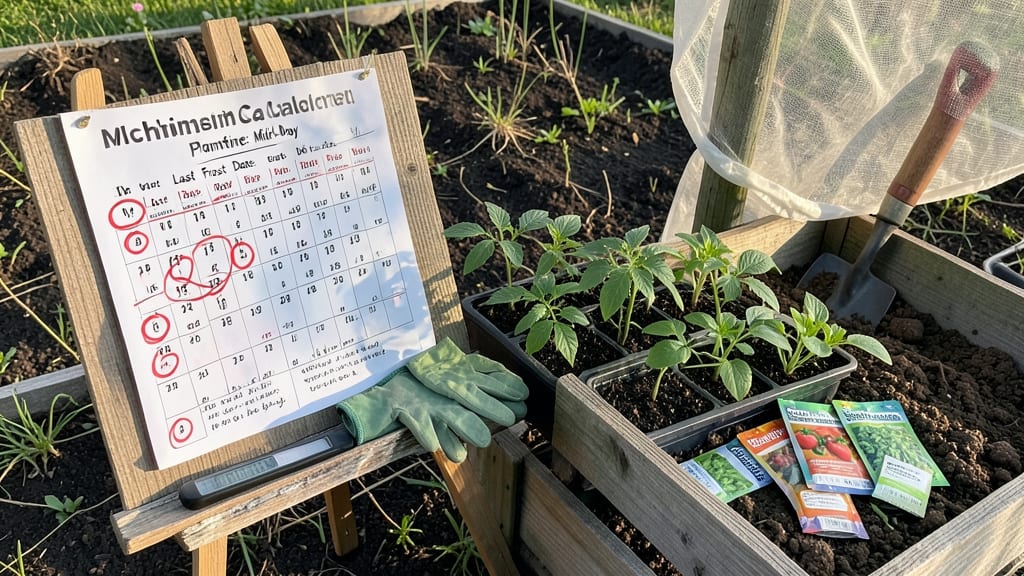
Knowing when it's safe to plant in Michigan can mean the difference between a thriving garden and wasted effort—especially when frost lingers longer than expected.
Whether you're a first-time gardener or a seasoned pro, getting the timing right is the most important step to avoid losing your hard work to late frosts. Michigan's diverse climate means northern and southern regions have different rules, and even a week off can throw off your entire planting schedule.
I've spent years tracking Michigan's last frost dates, and what I've learned will help you avoid common mistakes. From watching for leafing trees to checking soil temperatures, there are clear signs that tell you it's finally safe to plant.
Let me walk you through the exact methods I use to determine the perfect moment—so you can start your garden with confidence and watch your plants flourish.
This isn't just about memorizing dates—it's about understanding your local microclimate and adjusting for it. We'll cover everything from cool-season crops like lettuce and peas to heat-loving tomatoes and peppers, with region-specific advice for USDA Zones 4 through 6.
By the end, you'll have a foolproof system to know exactly when your garden is ready for action.
Ready to transform your gardening success? Let's dive into the science and practical tips that will help you plant at the optimal time—so you can enjoy a bountiful harvest all season long.
Michigan last frost dates by USDA hardiness zones: when to plant warm-season vegetables
Michigan spans USDA Zones 4-6, which means last frost dates can vary by 2-3 weeks between northern and southern regions. For warm-season vegetables like tomatoes, peppers, and squash, timing is critical—plant too early, and frost will kill tender seedlings.
But don’t stress: I’ll break down the average last frost dates by zone and share planting windows for your favorite crops.
Southern Michigan (Zone 6) typically sees its last frost around May 10-15, while northern areas (Zone 4) often wait until May 25-30. These dates mark when heat-loving plants can safely go into the ground, but soil temperature is just as important.
Aim for 60°F+ soil for warm-season crops to thrive.
Here’s the visual breakdown of Michigan’s planting zones, including cold-hardy crops you can plant earlier and warm-season staples that need to wait.
For northern Michigan gardeners, the May 25-30 window might feel late, but rushing warm-season crops can lead to stunted growth or blossom-end rot in tomatoes. Instead, use row covers or start seeds indoors 6-8 weeks before your last frost date.
Southern Michiganers have a 2-week head start, perfect for longer-season crops like sweet corn or pumpkins.
Pro tip: Monitor soil temperature with a soil thermometer—warm-season plants need 60°F+ soil to germinate. If your soil is still cool, wait another week or use black plastic mulch to warm it faster. Cold frames can also buy you time for early planting.
Don’t forget cool-season crops like spinach, peas, and lettuce, which thrive in cooler temperatures and can often be planted 4-6 weeks before your last frost date. These hardy greens tolerate light frosts, making them ideal for early spring or fall planting.
If you’re in Zone 5 or 6, you might even squeeze in a second planting of warm-season crops in mid-July for a fall harvest. Just be ready to protect seedlings with frost cloth if an early frost threatens.
For urban gardeners, microclimates can shift frost dates by a week or more. Areas near large bodies of water or concrete surfaces may warm up faster, while shady spots can delay soil warming.
Always check local weather forecasts and use MSU Extension’s frost date maps for the most accurate guidance.
Remember: Frost dates are averages, not guarantees. Keep a frost watch on your calendar and have row covers ready just in case. With the right timing, you’ll be enjoying homegrown tomatoes and crisp lettuce all season long! 🌱
How to use a Michigan planting calendar: month-by-month guide for year-round gardening
Creating a Michigan planting calendar tailored to your USDA zone is the secret weapon for gardeners who want to maximize their harvests and avoid frost damage.
Unlike generic guides, Michigan's calendar must account for our cool springs, variable frost dates, and short growing seasons—especially in the northern half of the state. I've designed my approach around three key principles: soil temperature, crop maturity, and succession planting to stretch your season.
The first step is understanding that Michigan's planting calendar isn't one-size-fits-all. Southern Michigan (Zone 6) often sees its last frost by April 15-30, while Northern Michigan (Zone 4) can linger until May 15-30.
Even within these zones, urban areas warm up faster than rural spots due to the heat island effect. That's why I always adjust my calendar based on local observations rather than relying solely on averages.
Here’s how I break down my Michigan planting calendar by month, including soil temperature targets and ideal crops for each phase:
| Month | Soil Temp (°F) | Plant Cool-Season Crops | Plant Warm-Season Crops | Succession Plant |
|---|---|---|---|---|
| March | 35-45°F | Peas, Spinach, Lettuce | None (too cold) | Start seeds indoors |
| April | 45-55°F | Radishes, Kale, Carrots | None (wait for last frost) | Direct sow hardy greens |
| May | 55-65°F | Broccoli, Cabbage, Beets | Tomatoes, Peppers (after May 15) | Lettuce, Bush Beans |
| June | 65-75°F | None (too hot) | Cucumbers, Squash, Corn | Green Onions, Radishes |
| July | 70-80°F | None | Sweet Potatoes, Okra | Bush Beans, Lettuce |
| August | 65-75°F | None | None (focus on harvest) | Spinach, Radishes (fall crop) |
| September | 55-65°F | Kale, Spinach, Lettuce | None | Peas, Radishes |
One of my favorite strategies is succession planting, which lets you extend harvests by staggering plantings every 2-3 weeks. For example, I’ll plant a batch of lettuce or radishes in early May, then repeat in late May and early June.
This ensures a continuous supply instead of one big harvest that spoils before you can use it all. It’s especially useful for fast-growing crops like radishes, which mature in just 25-30 days.
Don’t forget to account for soil temperature, which is just as critical as air temperature. Warm-season crops like tomatoes and peppers need soil at 60°F or warmer to germinate properly.
I use a soil thermometer to check—if it’s still below 55°F in May, I wait even if the calendar says it’s safe. For cool-season crops, soil should be at least 40°F to prevent stunted growth.
To make this even easier, I’ve created a downloadable Michigan planting calendar template (available in the resources section) that includes space to track your local frost dates, soil temps, and planting progress.
Pro tip: Mark your calendar with three key dates each year—your average last frost, a safe planting date (usually 2 weeks after average), and your first frost date in fall. This gives you a clear window for planning.
For gardeners in Northern Michigan, I recommend adding a 10-14 day buffer after the average last frost date, as cold snaps are more common.
If you’re in Southern Michigan, you can push things slightly earlier, but always be ready to cover young plants with row fabric or cloches if frost is forecasted. The goal is to balance risk and reward—planting too early wastes resources, but waiting too long cuts your harvest short.