
Plants
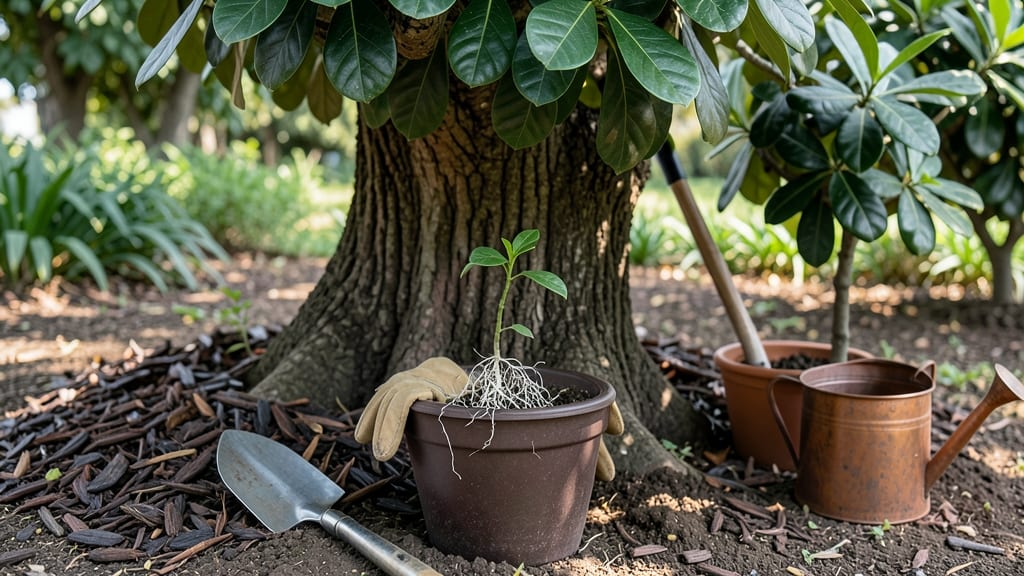
If you’ve ever dreamed of planting an avocado tree in Florida, timing is the secret weapon you can’t afford to ignore. Planting at the wrong moment—like during a heatwave or just before a rare cold snap—can turn your fast growth dreams into a slow, frustrating wait.
Florida’s climate is forgiving, but even here, microclimates mean Miami’s perfect timing might not work for Orlando.
Here’s the truth: the best window to plant your avocado tree in Florida isn’t just about seasons—it’s about avoiding stress on young roots and giving your tree the best shot at thriving.
Whether you’re planting in well-draining soil or a container, knowing when to dig in means the difference between a 10-foot tree in two years or one that struggles to grow past 3 feet. Let’s break down the exact months that work for your region.
You might think Florida’s frost-free winters mean you can plant anytime, but that’s not the whole story. Coastal areas like Fort Lauderdale have different rules than inland spots near Gainesville, where summer heat can be just as harsh.
I’ll show you how to read your local microclimate like a pro—so you can plant with confidence and watch your avocado tree sprout faster than you’d expect.
Ready to skip the guesswork? By the end of this guide, you’ll know not just when to plant your avocado tree, but how to prep the soil, protect it from Florida’s quirks, and set it up for a harvest that’ll make your neighbors jealous.
Let’s get your 🥑 avocado tree off to the best possible start.
Florida’s best planting months by region: avoiding cold zones for avocado trees
Florida’s tropical and subtropical climate lets you plant avocado trees year-round, but timing matters to avoid heat stress or nutrient depletion. Unlike northern states, Florida’s USDA Zones 9a-10b mean no frost risk—but microclimates (coastal vs. inland) still demand precision.
Planting too early in summer’s peak heat can shock roots, while late planting may delay fruit production.
Your best window is late winter to early spring (January–March), when soil temperatures stabilize between 65°F–75°F. This aligns with Florida’s dry season, reducing fungal risks.
For container-grown trees, you can plant year-round with proper shade and watering, but ground-planted trees thrive most when soil is warm but not scorching.
| Region | Best Planting Window | Soil Temp Threshold | Microclimate Notes |
|---|---|---|---|
| South Florida (Miami, Key West) | Year-round (optimal: January–March) | 65°F–75°F | Humidity is high; prioritize well-draining soil to avoid root rot. |
| Central Florida (Orlando, Tampa) | January–February (avoid April–May heat) | 68°F–72°F | Inland areas get hotter summers—plant before 90°F+ soil temps. |
| North Florida (Jacksonville, Gainesville) | February–March (never summer) | 70°F–75°F | Cooler winters mean delay planting until soil warms fully. |
| Urban Microclimates (e.g., Miami condos) | Containers: Year-round; Ground: January–February | 65°F–70°F | Potted trees need daily shade in summer to prevent heat stress. |
For South Florida, January–March is ideal because it avoids the wet season’s fungal risks while ensuring 6+ hours of sunlight daily.
In Central Florida, planting in February lets roots establish before summer’s brutal heat (often exceeding 95°F). North Florida gardeners should wait until March—earlier planting risks chilly soil (<65°F), which stunts growth.
Pro tip: Use a soil thermometer to confirm 65°F+ soil temps before planting. Bury it 4 inches deep for 3 days to check consistency. If temps drop below 60°F, delay planting to avoid root shock.
Container planting offers flexibility—you can move pots to shadier spots during summer’s peak heat (90°F+) or sunnier spots in winter. Just ensure pots have drainage holes and use well-draining potting mix to mimic Florida’s natural sandy loam.
Watch for unpredictable rain patterns in Florida. Planting during June–September’s rainy season increases root rot risks unless your soil is amended with perlite or sand. If you must plant in summer, choose overcast days to reduce transplant shock.
For fastest growth, pair planting with a slow-release fertilizer (like 6-6-6 NPK) and mulch to retain moisture. Avoid heavy nitrogen in summer—it burns roots in 90°F+ soil. Instead, focus on phosphorus to boost root development.
🌱
Florida’s best planting months by region: avoiding cold zones for avocado trees
Florida’s frost-free reputation makes it ideal for avocado trees, but microclimates and seasonal shifts still demand precision. Planting in the wrong month—like August in inland areas—can expose young roots to heat stress or hurricane winds.
The best window is late winter to early spring, when soil temperatures hover around 65°F and rainfall is steady. For coastal areas like Miami, this means January-February, while inland Orlando benefits from February-March planting.
Why? Avocado trees thrive when soil temps stay above 60°F—any cooler, and root growth stalls. Florida’s USDA Zones 9a-10b avoid frost, but rare cold snaps in North Florida (like Panhandle) can still damage young trees.
Planting too late—after April—risks summer heatwaves drying out roots before they establish. Even container-grown trees need this timing to avoid transplant shock.
| Region | Best Planting Months | Soil Temp Threshold | Key Risks |
|---|---|---|---|
| South Florida (Miami, Key West) | January–February | 65–75°F | Hurricane winds, salt spray |
| Central Florida (Orlando, Tampa) | February–March | 60–70°F | Heat stress, drought |
| North Florida (Gainesville, Panhandle) | March–April | 60°F+ (avoid <60°F) | Cold snaps, poor drainage |
Container planting? You’ve got more flexibility—move pots to sheltered spots during summer or winter if temps dip. But even containers need 6+ hours of sun daily. I’ve seen avocado trees in South Florida planted in December thrive, while inland trees planted in May struggle until the next winter.
The rule: Soil temp >60°F and no extreme heat (above 90°F) for young roots.
Pro tip: Use a soil thermometer to check depth (6 inches down). If it’s below 60°F, wait. Coastal areas warm faster—plant 2 weeks earlier than inland spots.
For example, Fort Myers can plant in late December, while Jacksonville should wait until mid-February. This 2-week window is your buffer against Florida’s unpredictable shifts.
What about rainy season? Florida’s summer downpours aren’t ideal for planting—waterlogged soil suffocates roots. Aim for dry-to-moist soil, not soggy. If you miss the winter window, fall (September–October) is your second chance, but only in South Florida.
Inland areas should avoid fall planting due to hurricane risks and cooling temps.
Remember: Fast growth starts with the right timing. Plant in your zone’s sweet spot, and your avocado tree could hit 10 feet in its first 2 years—instead of the 3-foot struggle if planted at the wrong time. 🌱