
Plants
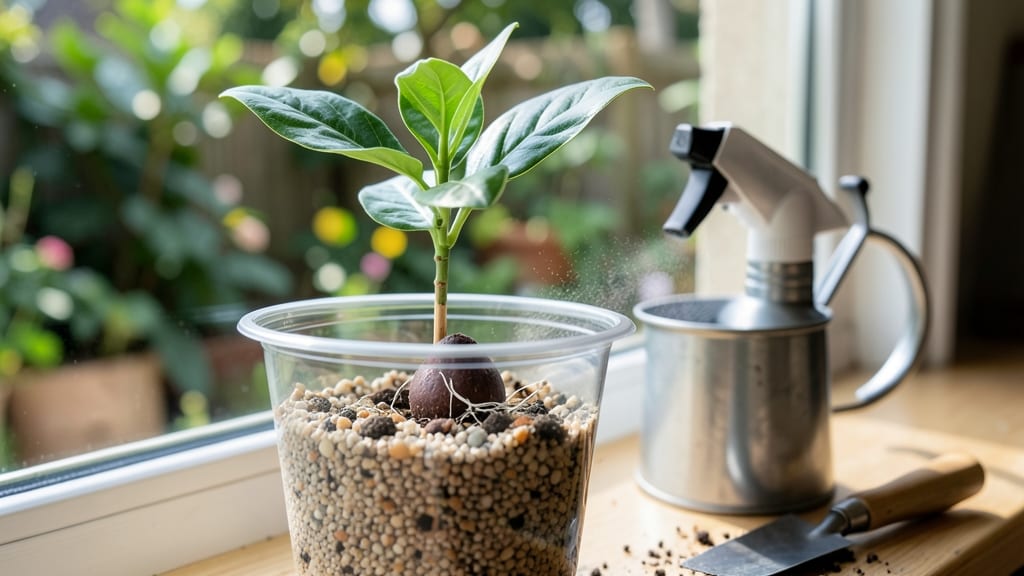
Planting an avocado seed in soil at the wrong time can mean the difference between a thriving 🥑 tree and a sad, wilted failure.
Timing isn’t just about the calendar—it’s about temperature, humidity, and your local climate zone, all of which play a critical role in whether your seedling takes root or fizzles out.
If you’re in Zone 6a (or similar temperate regions), the best window to plant your sprouted avocado seed is early spring—April to May—after the last frost has passed.
This gives your seedling time to establish strong roots before summer heat sets in, but not so early that a late frost could damage delicate new growth.
Here’s the game-changer: most gardeners make the mistake of rushing the process. You’ll want to wait until your seed has developed 2-3 inches of roots in water before transferring it to soil—this ensures it’s ready to handle the transition.
Whether you’re planting indoors or outdoors, getting this timing right is the key to a healthy start.
In this guide, I’ll break down the exact steps to plant your avocado seed at the optimal moment, tailored to your zone, so you can avoid common pitfalls and give your tree the best shot at success. Let’s get those roots growing!
Optimal planting timeline for avocado seeds by USDA zone
Timing is everything when planting avocado seeds—especially since they’re sensitive to cold temperatures and soil conditions. The best time to plant depends on your USDA zone, whether you’re starting indoors or outdoors, and your local last frost date.
In Zones 7-11, avocado seeds thrive outdoors year-round, but in cooler zones (like Zone 6), you’ll need to start them indoors early and transplant carefully.
For indoor germination, begin soaking your seed 2-4 weeks before your last frost date. This gives roots time to develop before soil temperatures warm.
For example, in Zone 9 (like Southern California), you can plant directly outdoors in February-March, but in Zone 6 (Midwest), wait until mid-May after all frost risk has passed.
Soil temperature is critical—avocado seeds need 65-85°F soil to germinate. Use a soil thermometer to confirm before planting. In cooler zones, warm the soil with black plastic mulch or a greenhouse setup to speed up germination.
Here’s a quick zone-by-zone breakdown to help you plan:
| USDA Zone | Indoor Start Time | Outdoor Planting Window | Soil Temp Requirement |
|---|---|---|---|
| 6-7 | February-March (8-10 weeks before last frost) | Mid-May to June (after last frost) | 65-85°F (use mulch or greenhouse) |
| 8-9 | January-February (optional, can plant directly) | February-March (soil >60°F) | 60-80°F (warmer climates tolerate cooler starts) |
| 10-11 | Year-round (indoor start recommended for faster growth) | January-April (avoid extreme heat) | 70-85°F (ideal for tropical zones) |
In Zones 10-11, you can plant avocado seeds outdoors almost anytime, but avoid peak summer heat (above 95°F) to prevent stress. Instead, aim for spring or fall when temperatures are mild. For example, in Zone 11 (Florida), plant in September-October to avoid summer’s intense sun and humidity.
If you’re in a cooler microclimate (like a high-altitude area in Zone 7), extend your indoor germination period by 2-4 weeks to ensure roots are 2-3 inches long before transplanting. This extra time helps seedlings handle temperature fluctuations.
Pro tip: Use a seedling heat mat ($15-$25) to maintain 70-75°F soil temps during germination, cutting your indoor start time by 1-2 weeks. Place the mat under your germination jar or pot to accelerate root growth.
Once your seedling has 2-3 inches of roots and 2-3 leaves, it’s ready for soil. In Zones 7-9, transplant outdoors 2-3 weeks after your last frost date.
In Zones 10-11, you can plant directly after roots form, but harden off seedlings for 7-10 days first to avoid shock.
Remember: Avocado trees are slow growers—don’t rush the process. Patience now means a healthier tree later. With the right timing, your seedling will thrive and grow into a fruit-bearing tree in 5-13 years!
Optimal planting timeline for avocado seeds by USDA zone
Avocado seeds thrive when planted at the right time—soil temperature and frost risk are your biggest clues. In Zone 6a, aim for April to May after the last frost (typically April 15).
Warmer zones (7-11) can plant as early as March, while colder zones (5 or below) should wait until late May to avoid frost damage.
Your seed must first sprout 2-3 inches of roots in water before soil planting. This usually takes 2-4 weeks, depending on warmth. Rushing this step risks root rot or shock when transferred to soil.
Here’s how climate affects your timeline:
| USDA Zone | Best Planting Month | Soil Temp Requirement | Key Risk |
|---|---|---|---|
| 5 or below | Late May - June | 60°F+ (15°C+) | Late frosts |
| 6a-6b | April - May | 65°F+ (18°C+) | Cool soil delays growth |
| 7-8 | March - April | 70°F+ (21°C+) | Drought stress |
| 9-11 | January - February | 75°F+ (24°C+) | Humidity/fungal risk |
Indoor starters can begin 4-6 weeks earlier than outdoor plants, but ensure they get 6+ hours of sunlight daily. Without this, seedlings grow leggy and weak—a common mistake that stunts growth.
Pro tip: Use a soil thermometer to confirm temps. Avocado seeds need warm soil (65°F+) to germinate successfully. If your soil is cooler, wait or use a heat mat for pots.
Once planted, monitor for yellowing leaves, a sign of overwatering or poor drainage. Adjust care based on your zone—humid climates (Zones 9-11) need less frequent watering than dry areas (Zones 7-8).
Timing isn’t just about the calendar—it’s about preparing your seedling and matching it to your microclimate. With these zone-specific cues, your avocado tree will have the best start possible. 🌱