
Plants
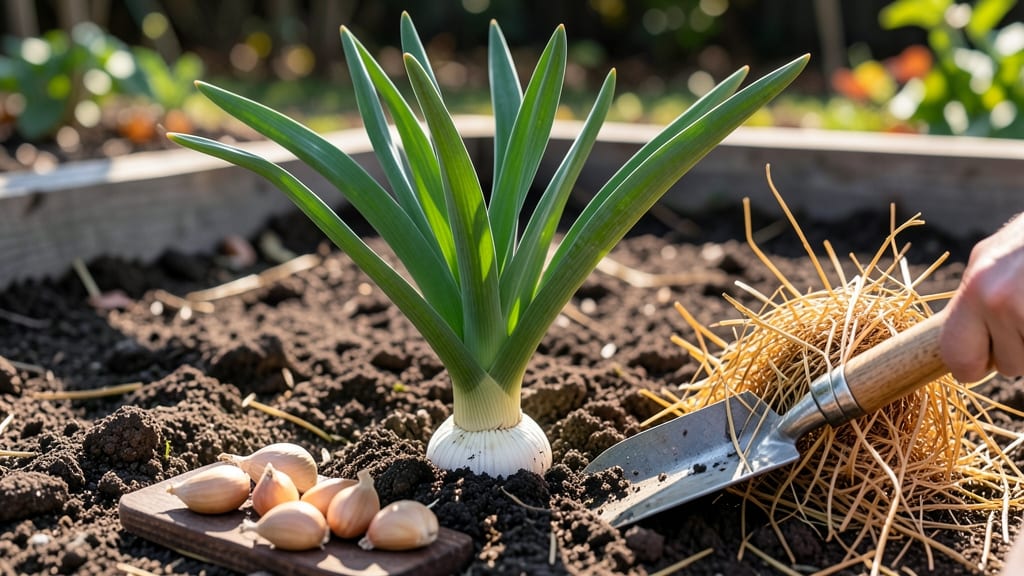
If you're dreaming of a bumper crop of plump, flavorful garlic to plant in South Florida this spring, timing is everything—and in South Florida's steamy climate, getting it wrong could mean tiny bulbs or no harvest at all.
The key to success lies in planting during the cooler months when temperatures drop just enough to trigger strong root growth without inviting fungal diseases that thrive in summer humidity.
Most gardeners in zones 10a-11 reach for their cloves between October and November, but did you know there's a 30-day window where planting makes all the difference?
I'll show you exactly when to put those cloves in the ground for maximum bulb development, plus how to work with South Florida's unique challenges—like avoiding summer heat stress and managing our year-round growing season.
What sets South Florida apart is our lack of frost, which means we can grow softneck varieties like 'Silverskin' that store well for months. But even here, planting too early or too late can lead to weak stems or premature bolting.
Let's break down the science behind the perfect planting schedule so you can enjoy homegrown garlic that rivals anything from the store.
From soil prep to variety selection, I'll walk you through every step to ensure your garlic thrives in our subtropical climate. Whether you're a seasoned gardener or just starting with 🧄, these insights will help you grow bigger, healthier bulbs with less guesswork—and more flavor in your kitchen.
Optimal South Florida garlic planting calendar: month-by-month breakdown
South Florida’s frost-free climate and hot summers make garlic planting a precise timing game. Unlike colder regions, you can’t rely on frost to trigger dormancy—your garlic must avoid summer heat entirely.
The ideal window is October to November, when soil temps drop below 80°F but stay above 60°F.
Garlic thrives in cool-season conditions, so planting too early (like September) risks heat stress before winter arrives. Conversely, waiting until December may delay bulb development. Microclimates matter: Miami’s humidity demands extra drainage, while inland areas like Tampa can handle slightly later plantings.
Here’s your month-by-month planting guide tailored to South Florida’s unique conditions:
| Month | Planting Window | Soil Temp (°F) | Key Considerations |
|---|---|---|---|
| September | Early (North FL only) | 75-80°F | Risky—heat stress likely; only for high elevations (e.g., Lake County). |
| October | Prime time | 65-75°F | Best month: Soil cools, humidity drops. Plant cloves 2" deep, 6" apart. |
| November | Still ideal | 60-70°F | Slower growth but better bulb quality. Add mulch to retain moisture. |
| December | Late (smaller bulbs) | 55-65°F | Possible in cooler microclimates (e.g., Everglades). Use shade cloth if temps dip. |
| January-February | Avoid | 50-60°F | Too late—bulbs won’t mature before summer heat. Save cloves for next year. |
For hardneck varieties (like ‘German White’), aim for October planting—they need cold exposure to form scapes, even in Florida. Softneck types (e.g., ‘Silverskin’) are more forgiving and can handle November plantings with afternoon shade.
If you miss the window, don’t panic. Container growing lets you adjust timing: Plant in October and move pots to shadier spots during heatwaves. Just ensure pots have drainage holes to prevent root rot from Florida’s high humidity.
Harvest time in South Florida is April to May, but watch for leaf browning—a sign bulbs are ready. Pull early if summer rains arrive; wet soil speeds up bolting (flowering) and reduces bulb size.
🌿 Key Takeaway: In South Florida, timing beats variety. Plant in October-November, prioritize drainage, and mulch heavily to outsmart the heat.
Optimal South Florida garlic planting calendar: month-by-month breakdown
South Florida’s frost-free winters and humid summers create a unique challenge for garlic growers. Unlike northern climates, we don’t rely on cold to trigger bulb formation—we need cool but not freezing temperatures (ideally 60-70°F soil temps) to encourage strong root development.
The 30-day window between late October and mid-November is your sweet spot, but let’s break down why and how to adjust for your specific microclimate.
In Miami and Homestead (Zone 11), where humidity lingers year-round, aim for early October planting to beat the summer heatwave. Meanwhile, Tampa and Orlando (Zone 10a) gardeners can stretch planting until mid-November thanks to slightly cooler nights.
The key is avoiding 90°F+ soil temps, which stress garlic plants and invite fungal diseases like white rot.
Here’s your month-by-month planting guide, including soil prep tips tailored to South Florida’s sandy, well-draining soils:
| Month | Planting Window | Soil Temp Goal | Key Action |
|---|---|---|---|
| September | Late September (Zone 10a only) | 75-80°F (transition phase) | Prep beds with 3 inches of compost and mulch heavily. |
| October | Ideal window (entire state) | 60-70°F (optimal) | Plant cloves 2-4 inches deep in partial shade (e.g., under palm fronds). |
| November | Last chance (Zone 10a) | 55-65°F (cooler nights) | Use black plastic mulch to warm soil slightly if nights dip below 55°F. |
| December | Risky (small bulbs likely) | 60°F+ (heat stress risk) | Only plant if using shade cloth (30%) to reduce heat. |
Pro tip: Use a soil thermometer to confirm temps before planting—garlic cloves won’t sprout reliably above 75°F soil. In Miami’s Zone 11, I’ve had success planting as late as early December by using drip irrigation to keep soil cool, but yields are 30-50% smaller than October plantings.
For the largest bulbs, stick to the October-November window.
One mistake I see often is ignoring rainfall patterns. South Florida’s wet season (June-November) means heavy rains can waterlog garlic beds. To prevent rot, plant on raised beds or amend soil with perlite for better drainage.
If you’re in drier areas like Naples, supplement with 1 inch of water weekly during dry spells.
Remember: Softneck varieties (like ‘Silverskin’) handle South Florida’s heat slightly better than hardnecks, but both need consistent moisture and mulch to thrive. Next, we’ll cover the telltale signs you’ve planted at the wrong time—and how to course-correct before it’s too late. 🌱