
Plants
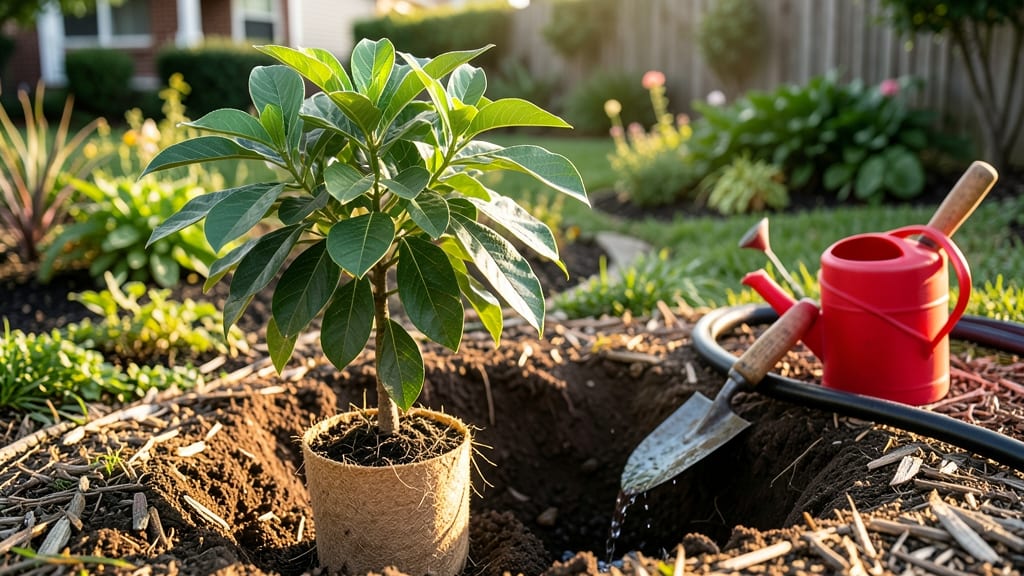
Timing when to plant an avocado tree in the ground just right could mean the difference between a thriving orchard and a sad, struggling sapling that never takes off. The key isn't just waiting for spring—it’s understanding when your local climate actually signals "go time" for these tropical beauties.
I’ve watched 🥑 avocado trees struggle when planted too early, only to recover when moved to warmer soil. Whether you’re in frost-prone Zone 8 or the balmy Zone 11, the right window ensures strong root growth before summer’s heat hits. Let’s break down exactly when—and how—to plant for success.
Most gardeners assume "spring" is the answer, but the truth is more nuanced. Soil temperature matters more than calendar dates, and a late frost can wipe out your progress in minutes. I’ll show you how to read your climate’s cues so you can avoid costly mistakes.
Ready to grow a tree that’ll bear fruit for decades? Stick around—I’ll cover container alternatives for cold zones, frost-free planting strategies, and the one soil prep trick that makes all the difference.
Best planting months for avocado trees by USDA hardiness Zones
Avocado trees (Persea americana) thrive in warm climates, making timing your planting critical for survival. In USDA Zones 8-11, where avocados grow best, the ideal window is late winter to early spring—just as temperatures rise and frost risk fades.
For Zone 10 and 11, you can plant year-round, but spring still offers the best start.
In Zones 8-9, aim for February to April to avoid late spring frosts that can kill young roots. If you live in Zone 10-11, plant between January and March for optimal growth. The key is soil temperature—roots need 60°F+ to establish properly.
🌱
For Zone 8 gardeners, check your last frost date—plant 6-8 weeks before to give roots time to establish. In Zones 10-11, you can plant anytime, but spring still ensures faster growth and better fruit production later. Always test soil temperature with a thermometer before planting.
If you're in a cooler microclimate (e.g., Zone 9 but near mountains), delay planting until April to avoid unpredictable cold snaps. Young avocado trees are extremely sensitive to frost—even 28°F can kill them. Use mulch or row covers for extra protection if planting early.
In Zone 11, where frost is rare, focus on soil prep rather than timing. Amend clay-heavy soil with compost and ensure well-draining conditions. The warmest months (June-August) are ideal for transplanting mature trees, but young saplings still benefit from spring planting.
Pro tip: Container-grown avocados can be planted anytime in warm zones, but in-ground planting still follows seasonal rules. If you're unsure about your zone, use the USDA Plant Hardiness Zone Map to locate your exact area. Local nurseries can also provide hyper-local advice based on microclimates.
Remember, avocado trees take 3-5 years to bear fruit, so planting at the right time sets the stage for decades of harvests. Don’t rush—patience now means rich rewards later.
☀️
How to time your avocado planting for maximum fruit production
Timing your avocado tree planting isn’t just about avoiding frost—it’s about aligning with the tree’s natural growth cycles to maximize fruit production. Avocados thrive when planted at the start of their active growing season, which varies by climate zone but typically falls in early spring for most regions.
This timing ensures your tree enters dormancy with enough energy stored to produce flowers and fruit the following year.
In warmer climates like USDA Zones 9-11, you can plant avocados year-round, but late winter to early spring (February-March) gives your tree the longest growing season before potential heat stress.
For cooler zones (8-9), aim for March-April after the last frost date, ensuring soil temperatures reach at least 60°F (15°C)—critical for root establishment.
✅ Best Months: March-May (after last frost)
🌱 Why? Warm soil + long daylight = faster root growth
✅ Best Months: June-July (with extra water)
💧 Why? Avoids drought stress; mulch heavily
🪴 Tip: Plant 2-3 weeks earlier than ground planting
🌡️ Key: Move containers indoors if nights drop below 50°F (10°C)
Container-grown avocados offer flexibility for cooler climates. If you live in USDA Zones 7 or below, start your tree in a 10-gallon pot in early spring, then transplant outdoors after the last frost date.
This head start gives roots a 4-6 week advantage over direct-sown saplings. Just remember: avocados hate cold soil, so never plant when ground temps are below 60°F (15°C)—roots will rot before they establish.
For maximum fruit production, time your planting to coincide with your region’s peak flowering season. Avocados typically flower in late spring to early summer, but this varies by variety. For example, Hass avocados (the most common) need 60-70 days of warm weather after planting to set fruit.
If you plant too late, your tree may not have enough time to flower before winter dormancy.
Pro tip: Prune lightly at planting to encourage branching, but avoid heavy cuts—avocados produce fruit on new wood, so you want vigorous early growth.
Mulch with 3-4 inches of organic matter (like wood chips) to retain moisture and regulate soil temperature, which is especially critical in hot climates where soil can bake and stress young roots.
Finally, consider your local microclimate. A south-facing slope warms up faster in spring, while a north-facing area may stay cool longer. Use these natural advantages: plant on slopes in cooler zones and avoid low-lying areas where frost pools in warmer zones.
With the right timing and site selection, your avocado tree could bear fruit in as little as 3-5 years—so get those roots in the ground at the perfect moment! 🥑