
Plants
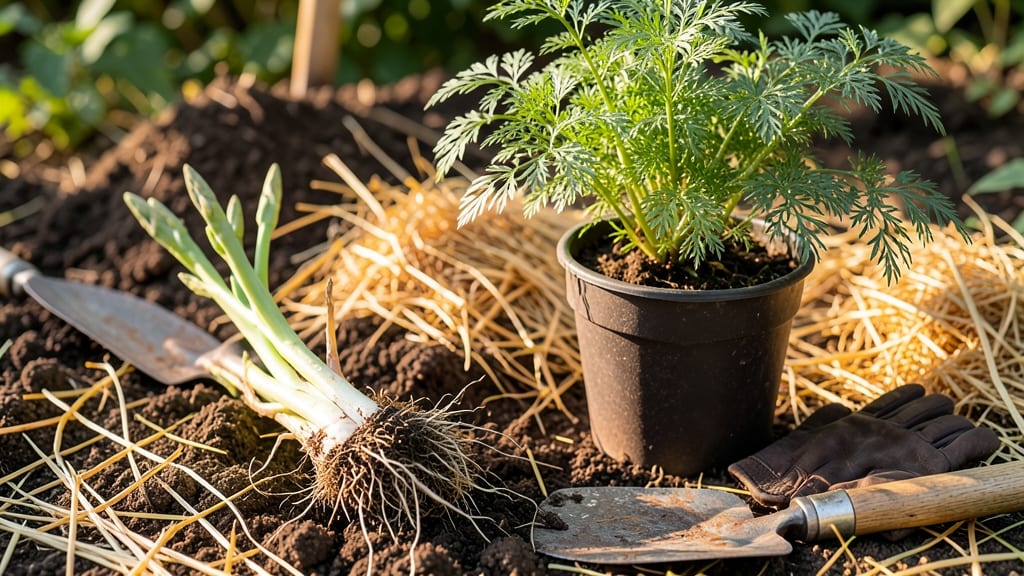
Planting asparagus in North Texas at the wrong time can mean waiting three years before your first harvest—or worse, losing your crop entirely to frost. The secret to success?
Timing it right when soil temperatures hit that sweet spot between 50°F and 60°F, which in Zone 8a lands you smack in late winter.
I’ve seen too many gardeners rush into planting too early, only to watch their asparagus crowns rot in cold, damp soil. Or worse, plant too late and miss the narrow window before spring heat sets in.
The good news? North Texas’ mild winters give you a second chance—but you’ve got to know the exact triggers.
In this guide, I’ll break down the fastest way to establish strong roots by mastering soil temperature cues, plus the best varieties for your local climate. Whether you’re a first-timer or a seasoned gardener, these insights will help you skip the trial-and-error and get spears in your future.
Ready to turn your North Texas garden into an asparagus powerhouse? Let’s dig into the details—because patience now means plenty of harvests later.
North Texas asparagus planting timeline: soil temperature rules for success
Asparagus thrives in North Texas when planted during the cool shoulder seasons—either late winter (February) or early fall (October). The key? Soil temperatures between 50-60°F trigger root establishment, and North Texas’ USDA Zone 8a climate makes timing critical to avoid frost damage or summer heat stress.
For most of North Texas, the ideal planting window is between February 15 and March 15, when daytime highs hover around 65°F and nights dip into the 40s.
This gives roots time to establish before summer’s relentless heat arrives. If you’re in higher-elevation areas (e.g., Denton or Fort Worth), aim for late February to avoid late frosts.
Fall planting is trickier but possible in October—just ensure crowns are in the ground 6-8 weeks before the first frost (typically mid-November). Roots need time to harden off before winter dormancy. Lubbock and West Texas gardeners should plant 2 weeks earlier due to hotter, drier conditions.
Here’s the soil temperature rule of thumb: Use a soil thermometer to confirm 50°F+ at 4-inch depth before planting. In North Texas, this usually aligns with mid-February, but clay-heavy soils (common in Dallas) may run 5°F cooler than sandy soils in Lubbock. Adjust accordingly!
Pro tip: Pre-warm your soil in January by covering beds with black plastic for 2 weeks. This jumpstarts root growth and helps asparagus outpace summer heat. Just remove the plastic 24 hours before planting to avoid shocking the crowns.
| Planting Window | Soil Temp Requirement | North Texas Microclimate Notes | Action Steps |
|---|---|---|---|
| Late Winter (Feb 15–Mar 15) | 50–60°F at 4" | Dallas/Fort Worth: Wait until March 1 for frost safety. Lubbock: Plant by Feb 20 to avoid heat stress. | Test soil with thermometer; pre-warm beds if <45°F. |
| Early Fall (Oct 1–Oct 15) | 60–70°F at 4" | Higher elevations (e.g., Denton): Plant by Oct 1. West Texas: Oct 15 cutoff. | Mulch heavily after planting to insulate roots. |
| Avoid | Below 40°F or above 80°F | Spring planting after March 30 risks heat stress. Fall planting after Oct 20 risks frost. | Use shade cloth if planting in April or November. |
One common misconception is that spring planting is risk-free—but in North Texas, April heat waves can shock newly planted crowns. If you miss the February window, opt for fall planting in October instead of waiting until spring.
Crowns planted in fall establish roots before winter dormancy, giving you a 2-year head start on spears.
For container gardening in North Texas, use 5-gallon pots and plant in late February. Containers warm up faster than soil, so monitor roots closely—transplant outdoors by May 1 to avoid overheating. Add perlite to potting mix to improve drainage, a must for Texas’ clay-heavy soils.
Remember: Asparagus is a perennial investment. Crowns take 2–3 years to establish before producing spears, so planting at the right time ensures you’re not starting over. In North Texas, February is your best bet—just don’t wait until March 15 or you’ll risk stunted growth from summer heat.
If you’re in Zone 9a (e.g., Waco or Austin’s outskirts), push planting to late February to avoid 100°F+ summers. These areas benefit from drip irrigation to maintain soil moisture during peak heat. Mulch with straw or wood chips to keep roots cool and retain moisture.
🌱
North Texas asparagus planting timeline: soil temperature rules for success
North Texas’ Zone 8a climate gives you a narrow but critical window to plant asparagus—between late winter and early spring. The key? Waiting until soil temperatures consistently hit 50°F to 60°F, which typically lands in February for most areas.
Planting too early risks frost damage, while waiting too long delays root establishment.
I’ve found that Dallas gardeners can start as early as mid-February, while Lubbock’s cooler nights may push planting back to late February. Use a soil thermometer to confirm—this simple tool prevents costly mistakes.
For reference, North Texas’ last average frost date is around February 15, so time your planting accordingly.
🌱
| Stage | Action | Soil Temp | North Texas Window |
|---|---|---|---|
| Soil Prep | Amend clay soil with compost | N/A | October-November |
| Planting | Plant crowns 6-8" deep | 50-60°F | Mid-Feb to early March |
| Root Establishment | Keep soil moist | 55-65°F | March-April |
| First Harvest | Wait 2-3 years | 60-75°F | Spring (March-May) |
Spring planting is possible in North Texas, but it requires patience. If you miss the winter window, aim for early March—just be prepared for a delayed first harvest.
The trade-off? Spring-planted asparagus often matures faster in our heat, though it may struggle more with summer drought if not mulched properly.
Pro tip: Use black plastic mulch to warm soil faster in early spring. I’ve seen it raise soil temps by 5-10°F, giving you an extra week or two of planting flexibility. Just remove it once spears emerge to prevent overheating.
Remember, asparagus is a perennial investment—proper timing now means 15+ years of harvests with minimal effort. The first two years are all about building roots, so don’t rush the process. Patience pays off in plentiful spears for decades.
☀️