
Plants
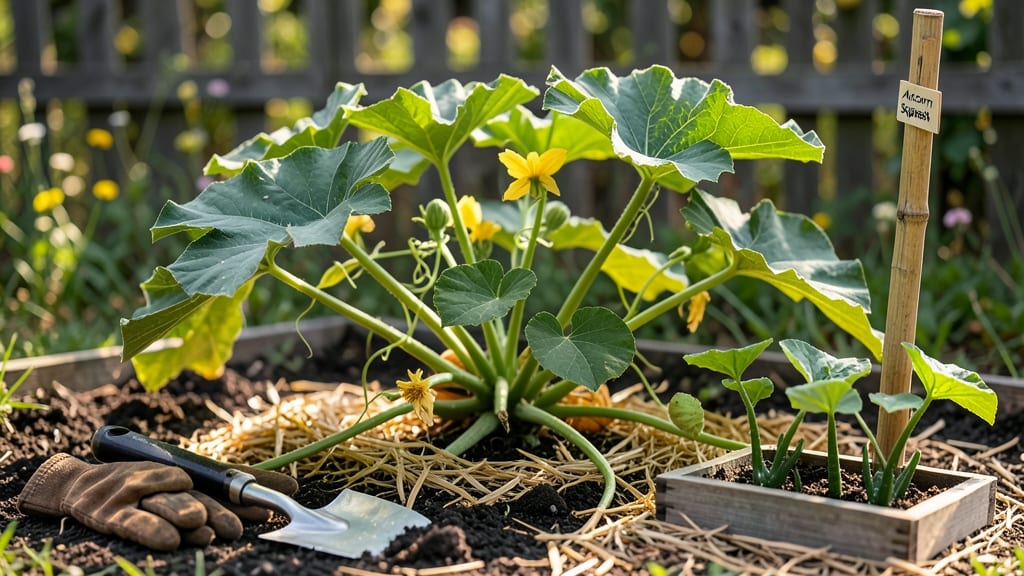
If you're dreaming of a bountiful harvest of sweet, nutty acorn squash 🌱 but live in Texas, timing is the game-changer—plant too soon, and your squash will bolt in the heat; wait too long, and you’ll miss peak flavor.
The key lies in understanding your specific heat zone, whether you're in North Texas with its cooler springs or South Texas where summer arrives early.
Texas gardeners know that soil temperature matters just as much as calendar dates—acorn squash thrives when the ground reaches at least 60°F, but those 100°F+ days can stress young plants if they’re not hardened off.
I’ll break down the ideal planting windows for your zone, so you can avoid common mistakes and maximize your harvest before fall’s chill sets in.
What you’ll discover here are the exact dates to start seeds indoors or transplant seedlings, tailored to Texas’ unpredictable weather. From North Texas’ late March starts to South Texas’ early February kickoffs, we’ll cover how to adjust for heat spikes and early freezes—because in Texas, flexibility is everything.
Whether you’re a first-time gardener or a seasoned grower, these insights will help you plant with confidence and enjoy homegrown squash that’s sweeter and more productive than anything from the store. Let’s get those seeds in the ground at the perfect moment!
Best planting dates for acorn squash in Texas heat zones
Acorn squash thrives in Texas’ warm climate, but timing is critical—plant too early, and your seedlings will bolt in the heat; too late, and you’ll miss the sweetest harvests. Texas spans USDA zones 8a through 10a, each with unique frost patterns and heat spikes.
I’ll break down the ideal planting windows for both transplanting seedlings and direct sowing, so you can align your schedule with your local microclimate.
For North Texas (USDA zones 8a-8b), where winters can dip below freezing, aim for late March to early April for transplanting. In Central Texas (zones 8b-9a), where springs warm quickly, start seedlings indoors in February and transplant by mid-March.
Meanwhile, South Texas (zones 9b-10a) gardeners can direct-sow as early as January or transplant in February to avoid summer’s brutal heat.
Here’s the key: acorn squash needs 75-90 days to mature, so time your planting to finish harvests before the first fall frost (typically November in North Texas and December in South Texas). Miss this window, and you’ll risk bitter, underripe squash or frost-damaged vines.
| USDA Zone | Transplant Seedlings | Direct Sow | Harvest Window | Key Risk |
|---|---|---|---|---|
| 8a (North TX) | Late March–Early April | Mid-April | Late July–October | Late spring frost |
| 8b–9a (Central TX) | Mid-February–March | Early March | June–November | Summer drought |
| 9b–10a (South TX) | January–February | January | May–December | Extreme heat stress |
Pro tip: Use a soil thermometer to confirm soil temps are above 60°F before planting—cold soil slows germination and invites disease. In North Texas, wait until nighttime temps stay above 55°F consistently to avoid transplant shock.
For direct sowing, scatter seeds ½-inch deep in hills spaced 3–4 feet apart. Thin seedlings to 2–3 plants per hill once they’re 2 inches tall, as overcrowding leads to powdery mildew—a common Texas squash nemesis.
Mulch with straw or black plastic to retain moisture and suppress weeds during Texas’ dry spells.
Don’t overlook fall planting in South Texas! Sow seeds again in late August for a winter harvest (October–December). This works because cooler temps in USDA zone 10a slow vine growth, letting squash mature before frost. Just avoid planting after September 15th, or vines won’t have enough time to establish.
Remember: acorn squash is sensitive to heat stress above 95°F. If your forecast shows 100°F+ days during flowering, provide afternoon shade with row covers or plant in partial shade. This protects blossoms from dropping, ensuring pollination and fruit set.
Finally, mark your calendar for Texas A&M AgriLife Extension’s frost alerts—they’re your best friend for adjusting planting dates year to year. With these zone-specific timelines, you’ll dodge the heat, avoid frost, and enjoy sweet, homegrown acorn squash from summer through fall. 🌱
Best planting dates for acorn squash in Texas heat zones
Texas’ USDA zones 8a-10a create a tricky balance for acorn squash—too early, and seedlings fry in 90°F+ soil; too late, and your harvest suffers from fall freezes. The key is planting when soil temps hit 65°F+ and nighttime temps stay above 55°F.
In North Texas (zones 8a-8b), aim for late March to early April for transplants or mid-April for direct sowing, while South Texas (zones 9a-10a) gardeners can start as early as mid-February.
Acorn squash thrives in warm soil, so avoid rushing—cold soil slows germination and invites fungal diseases. Use a soil thermometer to confirm readiness; ideal temps are 70-85°F for direct sowing.
Pro tip: Black plastic mulch warms soil faster in cooler zones like East Texas, letting you plant 2-3 weeks earlier without risk.
🌱 Comparison Table: Acorn Squash Planting by Texas Heat Zone
| Zone | Transplant Window | Direct Sow Window | Soil Temp Goal | Key Risk |
|---|---|---|---|---|
| 8a (North Texas) | Late March–Early April | Mid-April | 65°F+ | Late frost |
| 8b (Central Texas) | Early March–Mid-April | Late March–Early April | 70°F+ | Heat spikes |
| 9a–10a (South Texas) | Mid-February–Early March | Late February–Mid-March | 75°F+ | Hurricane season |
For a longer harvest, consider staggered planting: Sow a second batch 4-6 weeks after your first planting. This ensures squash ripens before fall freezes hit North Texas (typically mid-November) or early December in South Texas.
In West Texas (zone 8b), where water is scarce, prioritize drought-tolerant varieties like 'Autumn Gold' and plant near drip irrigation to conserve moisture.
Don’t overlook fall planting—acorn squash grows well in cool-season windows. In zones 9a-10a, you can direct-sow late August to early September for a winter harvest before Christmas. Just ensure 90+ frost-free days remain in your growing season to avoid immature fruit.
Use row covers in North Texas to protect early seedlings from unpredictable cold snaps. These lightweight fabrics trap heat without smothering plants, buying you 2-3 extra weeks of safe growth. Pair this with mulching (straw or shredded leaves) to maintain even soil moisture—critical in Texas’ dry spells.
Timing isn’t just about dates—it’s about reading your microclimate. Observe nearby mature plants (like tomatoes) as a guide: When they’re thriving in full sun, your acorn squash is ready.
Combine this with local extension office frost data for precision. With the right window, you’ll harvest sweet, dense squash from late summer to early winter—worth the patience!