
Plants
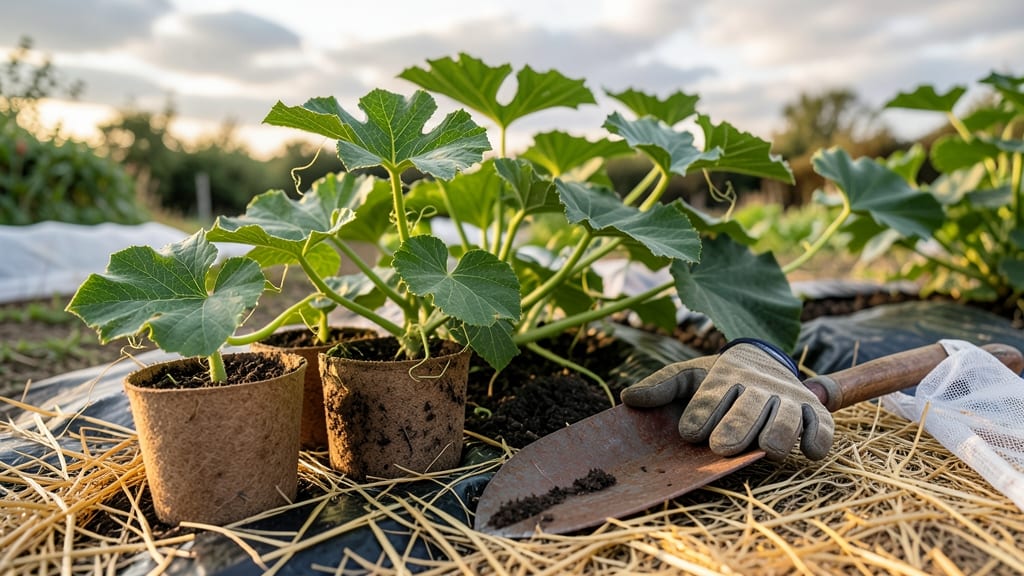
If you’ve ever stared at your Texas garden calendar wondering when to plant squash and ended up with wilted seedlings or scorched vines, you’re not alone.
The key to a thriving harvest lies in understanding your zone’s exact frost-free windows—because planting too early risks frost, while waiting too late means battling 100°F+ heat that stunts growth.
Texas spans USDA Zones 7 through 10, meaning your North Texas garden and South Texas plot have wildly different rules.
In cooler Zone 7, you’ll start squash seeds after April 15 when soil hits 60°F, while Zone 10 gardeners can direct-sow as early as February—but only if you’re growing heat-tolerant varieties like ‘Black Beauty’ zucchini or ‘Cocozelle’ Italian squash.
I’ll break down the month-by-month planting schedule for each zone, plus pro tips to extend your season with shade cloth and succession planting. Skip the guesswork and learn how to time your squash for peak flavor and yield, no matter where in Texas you’re gardening.
Ready to transform your garden from hit-or-miss to bountiful harvests? Let’s dive into the science—and save you from another season of squash failures.
Texas squash planting calendar by hardiness Zone (exact months & heat-tolerant varieties)
Texas gardeners face a unique challenge: our long, hot summers and unpredictable frost dates. Unlike northern states, we can grow squash twice a year—once in spring and again in late summer for a fall harvest. But timing is critical.
Plant too early in Zone 7, and a late frost will kill tender seedlings. Plant too late in Zone 10, and the summer heat will stress your plants before they produce.
To simplify, I’ve broken down the ideal planting windows by USDA zone, including the best heat-tolerant varieties for each region. Whether you're growing zucchini, butternut squash, or pumpkins, these guidelines will help you avoid common mistakes and maximize your yield.
Key factors to consider:
- Soil temperature (squash needs 60°F+ to germinate)
- Last frost date (varies by 5-6 weeks across Texas)
- Heat tolerance of your chosen variety
- Succession planting for continuous harvests
For Zone 7 gardeners in North Texas (think Amarillo or Abilene), the last frost date typically falls between March 15 and April 1. This means you should wait until mid-April to plant squash outdoors.
If you're eager to start earlier, use black plastic mulch to warm the soil faster. I’ve had success planting 'Black Beauty' zucchini under row covers in early April, but only if nighttime temps stay above 50°F.
In Zone 8 (Austin, San Antonio), the window opens earlier—late March is safe for direct sowing. Here, I recommend succession planting every 2 weeks from March through May to ensure a steady supply.
For fall crops, aim for early July plantings, as August heat can stress young plants. 'Cocozelle' Italian squash thrives in this zone and handles the transition from summer to fall beautifully.
Gardeners in Zones 9 and 10 (Houston, Brownsville) have the longest growing seasons. You can plant as early as late February for spring crops and as late as June for fall harvests.
However, avoid planting during peak summer months (July-August)—the combination of 90°F+ temps and humidity creates perfect conditions for fungal diseases like powdery mildew. Instead, opt for shade cloth or drip irrigation to protect your plants during these months.
One of my favorite heat-tolerant varieties for South Texas is 'Sunburst' hubbard squash. It handles the humidity well and produces large, sweet fruits even when temps flirt with 100°F. Pair it with 'Turk’s Turban' for a unique, decorative squ
Texas squash planting calendar by hardiness Zone (exact months & heat-tolerant varieties)
Texas’ diverse climate means your squash planting window depends entirely on your USDA zone.
In Zone 7 (North Texas), you’ll wait until late April when soil warms to 60°F, while Zone 10 (South Texas) can start as early as February—but only with heat-tolerant varieties like ‘Black Beauty’ zucchini or ‘Cocozelle’ Italian squash.
For summer crops, aim for March-April in most zones, while fall plantings should begin July-August to avoid end-of-season heat stress. The key is soil temperature, not just air temp—squash roots need at least 60°F to thrive.
| Zone | Best Planting Window | Heat-Tolerant Varieties | Soil Temp Requirement |
|---|---|---|---|
| 7 (North Texas) | Late April - Early May | 'Black Beauty' zucchini, 'Early Prolific Straightneck' | 60°F+ |
| 8 (Central Texas) | Mid-March - Mid-April | 'Cocozelle' Italian squash, 'Yellow Crookneck' | 65°F+ |
| 9-10 (South Texas) | February - March (summer) / July-August (fall) | 'Butternut' squash, 'Spaghetti' squash | 70°F+ |
Pro tip: Use a soil thermometer to confirm readiness—squash seeds won’t germinate below 60°F. In Zone 10, you can even try fall plantings in September for winter harvests, but choose cold-hardy varieties like ‘Delicata’ squash.
For transplants, wait until after May 15 in North Texas to avoid late-spring frosts. In South Texas, you can transplant as early as March, but protect seedlings with row covers if nights dip below 55°F.
Remember: Summer squash (zucchini, crookneck) grows faster (50-60 days), while winter squash (butternut, pumpkins) needs 80-100 days. Plan accordingly to avoid overcrowded vines or missed harvests.
Need extra time? Try container gardening with heat-tolerant varieties—they mature faster in controlled soil temps. Just ensure pots have drainage holes to prevent root rot in Texas’ humidity.