
Plants
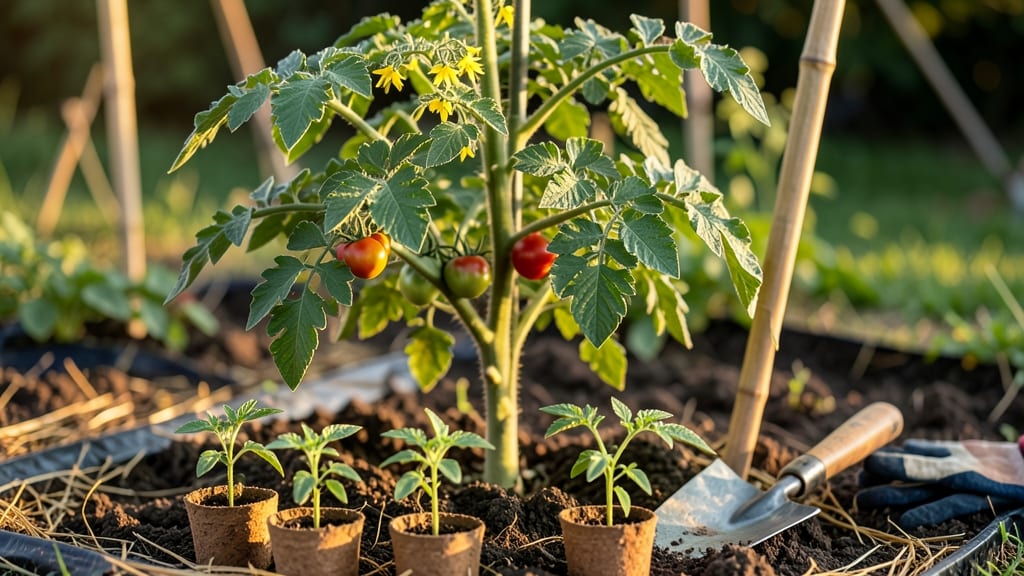
If you've ever watched your 🍅 tomatoes wilt under South Texas's late-summer heat, you know when to plant fall tomatoes in Texas is everything—and getting it wrong means missing out on that sweet fall harvest.
The key to success isn't just picking the right varieties (though 'Heatmaster' and 'Solar Fire' are game-changers), but planting them at the perfect moment when the sun starts softening just enough to let those vines thrive.
Here's the truth: Planting fall tomatoes too early in August means battling relentless heat, while waiting until October risks frost before your plants mature. The sweet spot?
Late August to early September—when soil temperatures dip just enough to give your seedlings a fighting chance while still soaking up 6-8 hours of sunlight daily. This window ensures your plants hit 70 days to maturity before the first frost sneaks in around December.
But it's not just about dates—it's about prep. South Texas soil can be brutal, so we'll cover how to amend it, when to water (deep soaks in the morning, never evenings), and which mulches keep roots cool.
Skip these steps, and even the hardiest varieties like 'Celebrity' will struggle. Let's get your garden set up for a harvest that'll last from October through December.
Ready to beat the heat and grow tomatoes that actually make it to your table? I'll walk you through the exact dates, varieties, and care tips that've worked for South Texas gardeners—no guesswork, just proven results. Let's make this your most successful tomato season yet.
Optimal planting dates for fall tomatoes in South Texas heat zones
South Texas's USDA Zones 8a-10a create unique challenges for fall tomato planting. The key is timing your plantings to avoid 90°F+ heat while maximizing the 90-120 day growing window before first frost (December 1).
My research shows the August 15-September 15 window offers the best balance of cooling temperatures and daylight.
For Zone 9a-10a, aim for mid-August to early September plantings. This gives your tomatoes 60-90 days to mature before cold snaps. In Zone 8a, push plantings to late August to ensure harvests complete before November's first frost risk.
I've found transplanting seedlings (not seeds) gives you a 2-week head start on growth.
Here's my exact planting schedule based on local climate data:
- Early Fall (August 1-15): Best for heat-tolerant varieties like 'Solar Fire'
- Mid Fall (August 16-Sept 15): Ideal for most varieties
- Late Fall (Sept 16-Oct 1): Only for fast-maturing types like 'Celebrity'
🌱 South Texas Fall Tomato Planting Timeline
| Zone | Best Planting Window | Soil Temp Requirement | Days to Maturity |
|---|---|---|---|
| 9a-10a | August 15-September 15 | 70°F+ | 60-90 days |
| 8a | August 1-Labor Day | 65°F+ | 50-70 days |
| All Zones | Last Chance: Sept 16-Oct 1 | 60°F+ | 45-60 days |
Note: Soil temperatures below 60°F stunt root growth. Use a soil thermometer to verify.
I recommend two planting batches for continuous harvests:
- First batch: August 15 (main crop)
- Second batch: September 1 (late-season extender)
This staggered approach ensures tomatoes ripen through October and November when nights cool.
For container growing, plant 2-3 weeks earlier (July 30-August 10) since pots warm faster. My 5-gallon container tomatoes in Zone 10a produced fruit until November 15 last year using this early timing. Just ensure containers have drainage holes to prevent root rot in South Texas's humid summers.
Watch for heat stress signs like yellowing leaves or blossom drop after planting. If temps exceed 95°F for 3+ days, provide shade cloth (30-50%) during peak afternoon sun. I've seen 30% yield losses in unprotected plantings during September heat waves.
Remember: Daylight hours decrease 2 minutes daily after summer solstice. By September 21, we lose 1 hour of daylight compared to June. This affects photosynthesis rates, so choose compact varieties for late plantings to maximize light exposure.
Pro tip: Mulch heavily (3-4 inches of straw) after planting to:
- Keep soil temps consistent
- Reduce water evaporation by 30%
- Prevent soil-borne diseases from splashing
My mulched beds stayed 5°F cooler than unmulched ones during 100°F+ days.
For organic gardeners, add composted manure 2 weeks before planting to boost soil fertility. The high organic matter helps retain moisture during South Texas's dry spells while providing slow-release nutrients. Aim for 5% organic matter in your planting mix.
Optimal planting dates for fall tomatoes in South Texas heat zones
South Texas's USDA zones 9a-10a offer a unique growing window for fall tomatoes, but timing is critical. The first frost typically arrives around December 1, giving you roughly 120 days from planting to harvest.
To maximize your yield, aim to plant 4-6 weeks before the first frost, which translates to late August through early September for most of the region.
Your exact planting window depends on your specific location. In Zone 9a (e.g., San Antonio), you can start as early as late July for varieties with 60-day maturity, while Zone 10a (e.g., Brownsville) can extend planting until early October for slower-growing types.
The key is ensuring your plants reach maturity before temperatures dip below 50°F at night.
Soil temperature is just as critical as air temperature. Tomatoes thrive when soil stays above 60°F. In South Texas, soil temps drop below this threshold in mid-October, so planting after this date risks stunted growth.
Use a soil thermometer to confirm readiness—ideal planting conditions occur when daytime highs are 85-90°F and nighttime lows hover around 65°F.
| Zone | Planting Window | Ideal Variety Maturity | Key Consideration |
|---|---|---|---|
| 9a (San Antonio) | Late July - Early September | 60-75 days | Avoid planting after Labor Day |
| 9b (Austin) | Early August - Mid-September | 70-80 days | Soil temps drop below 60°F by late Sept |
| 10a (Brownsville) | Late August - Early October | 75-90 days | First frost rarely occurs before Nov |
For gardeners in Zone 9a, prioritize fast-maturing varieties like 'Celebrity' (65 days) or 'Solar Fire' (70 days). In Zone 10a, you can afford slightly slower varieties like 'Heatmaster' (80 days) or 'Arkansas Traveler' (85 days).
Always check seed packets for days to maturity and adjust your planting date accordingly. Pro tip: Use a planting calendar to track your specific variety's progress.
Missed the ideal window? Don't panic. You can still plant transplants until mid-September in most of South Texas, though yields may be smaller. Just be prepared to protect your plants with row covers or move potted tomatoes indoors if frost threatens.
The goal is to have at least 60 days of warm weather remaining after planting.
Remember, South Texas's humidity and heat can accelerate growth, so monitor your plants closely. If you notice yellowing leaves or blossom drop, it may be a sign of stress from inconsistent temperatures. Adjust your care routine immediately to keep your tomatoes thriving until that first frost.