
Planting
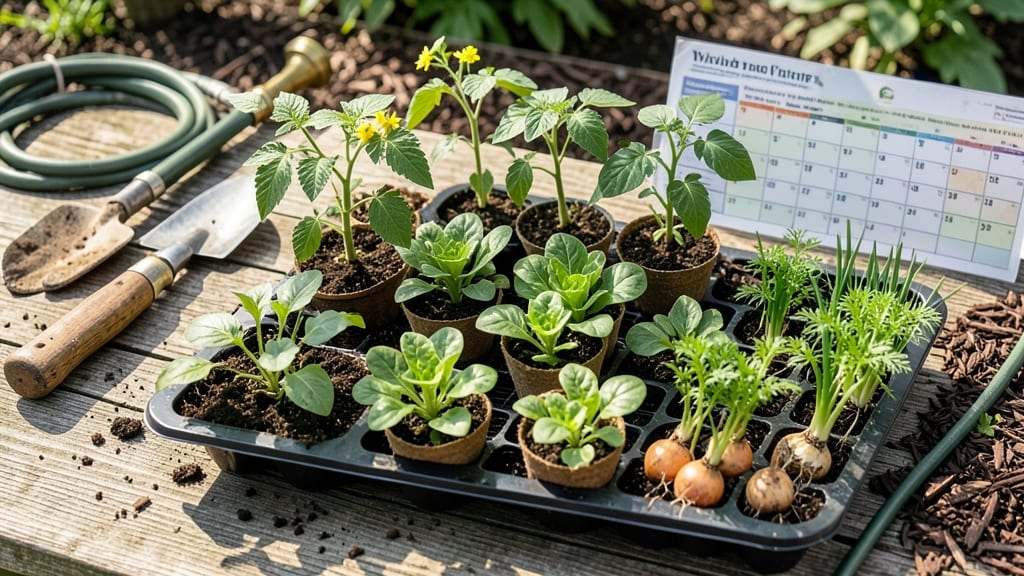
Timing your vegetable garden planting in Virginia can make the difference between a bumper crop and a sad, wilted disappointment. With 6a-8a zones stretching from the mountains to the coast, your local microclimate dictates when to get seeds in the ground—and when to hold off.
Skip the guesswork, and you’ll miss peak harvests or watch your plants struggle in less-than-ideal conditions. But get it right, and you’ll enjoy fresh tomatoes in July and crisp lettuce in October.
The key? Understanding your zone’s last frost date and adjusting for regional quirks like the Piedmont’s heat pockets or coastal delays.
I’ve broken down the exact planting windows for Virginia’s most popular crops—from cool-season greens to warm-season favorites—so you can plan with confidence. Whether you’re a first-time gardener or a seasoned pro, these zone-specific deadlines will help you grow like a local.
Ready to turn your soil into a thriving 🥬 paradise? Let’s dive into the best months to plant, what to avoid, and how to tweak your schedule for your exact corner of Virginia.
Virginia planting zones: key deadlines by region for best vegetable growth
Virginia’s USDA zones 5a–8a create a patchwork of planting opportunities, but knowing your exact zone and last frost dates is critical. The Piedmont region (like Richmond) typically sees its last frost around March 15, while coastal areas (e.g., Norfolk) may warm up 2–3 weeks earlier.
Mountain zones (like Roanoke) often experience frost until April 15 or later.
Cool-season crops like lettuce and spinach thrive when planted 4–6 weeks before your last frost date. Warm-season crops, such as tomatoes and peppers, need soil temperatures above 60°F—usually 2–3 weeks after your last frost.
Fall planting for broccoli or kale should happen 8–10 weeks before your first frost, which ranges from October 15 in the mountains to November 15 along the coast.
Here’s how Virginia’s regions break down for optimal planting windows:
| Region | USDA Zone | Last Frost | First Frost | Spring Planting Window | Fall Planting Window |
|---|---|---|---|---|---|
| Coastal Plain (e.g., Norfolk) | 8a | March 1–15 | November 15–30 | March 15–April 15 | August 15–September 15 |
| Piedmont (e.g., Richmond) | 7a–7b | March 15–30 | November 1–15 | April 1–May 1 | August 1–September 10 |
| Blue Ridge Mountains (e.g., Roanoke) | 6a–7a | April 1–15 | October 15–30 | April 15–May 15 | July 15–August 15 |
| Valley & Ridge (e.g., Staunton) | 6b–7a | April 1–15 | October 15–30 | April 15–May 10 | July 20–August 20 |
For coastal Virginia, where humidity and heat arrive early, prioritize shade-tolerant crops like okra or sweet potatoes in late spring. In contrast, the mountains benefit from planting cold-hardy crops like cabbage or peas as early as February under row covers.
Always check the Virginia Cooperative Extension’s frost maps for your exact location—microclimates can shift deadlines by 1–2 weeks.
Soil temperature is just as critical as air temperature. Use a soil thermometer to confirm warm-season crops are planted only when soil reaches 60°F. In Zone 7b (common in the Piedmont), this often means waiting until mid-April, even if air temperatures feel warm.
For cool-season crops, aim for soil temps between 40°F–70°F—ideal for spinach or carrots.
Pro tip: In Zone 8a (coastal areas), you can often plant winter squash or cucumbers in early spring and again in late summer for a second harvest before frost. This double-cropping strategy maximizes your garden’s productivity in Virginia’s longer growing season.
If you’re unsure about your exact zone, use the USDA Plant Hardiness Zone Map or the
Top 5 vegetables to plant in Virginia’s spring vs. fall—and why timing matters
Virginia’s spring and fall planting windows offer two prime chances to grow high-yielding vegetables. But timing isn’t just about months—it’s about matching crops to your zone’s microclimate. For example, Richmond’s heat pockets can scorch early tomatoes, while the Shenandoah Valley’s cooler nights protect peppers longer into fall.
Let’s break down the top 5 crops and their perfect windows.
Spring planting kicks off 4-6 weeks before your last frost date, typically mid-March to early April. This is ideal for cool-season crops like lettuce and spinach, which bolt (go to seed) in summer heat.
Fall planting, on the other hand, happens 80-90 days before first frost (usually August-September), giving warm-season crops like kale and carrots time to mature before cold sets in.
- Tomatoes
- Broccoli
- Kale
- Sweet Corn
Timing these crops right isn’t just about avoiding frost—it’s about maximizing flavor and yield. For instance, tomatoes planted too early in cool soil develop blossom-end rot, while broccoli sown in summer heat bolts before you harvest.
Even a 1-week delay can mean the difference between crisp carrots and woody, bitter roots.
Pro tip: Use Virginia Cooperative Extension’s frost maps to pinpoint your exact last frost date. Coastal areas like Norfolk often frost 2 weeks later than inland Charlottesville, so adjust accordingly.
For example, if your zone’s last frost is April 1, plant cool-season crops by February 28 and warm-season crops by April 15.
Don’t overlook succession planting—it’s how Virginia gardeners stretch harvests. After pulling early lettuce in June, replant with bush beans or radishes for a fall crop. The same strategy works in reverse: Pull spinach in late spring and replace it with cucumbers or peppers.
This keeps your garden productive from March to November.
Ready to put these timelines into action? Grab your seed packets and mark your calendar—your 🌱 future starts now!