
Planting
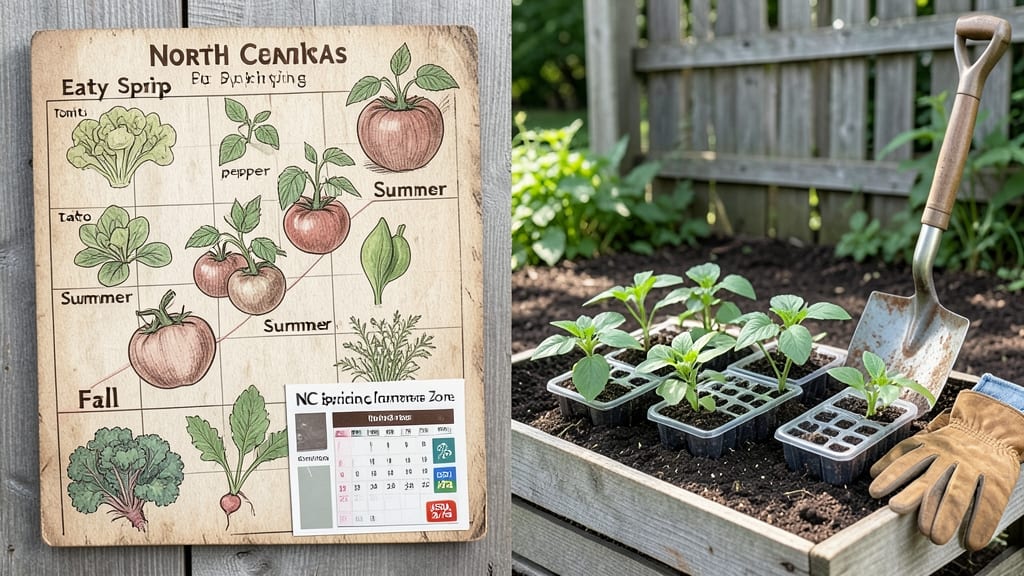
Timing your vegetable garden in North Carolina can feel like solving a puzzle—plant too early, and frost ruins your hard work; too late, and summer’s heat zaps your plants before they thrive.
The key to fast, bountiful harvests lies in understanding your specific zone and the unique challenges of NC’s climate, from the mountains to the coast.
I’ve grown vegetables across NC’s diverse regions, and what I’ve learned will help you avoid common mistakes that waste time and effort. Whether you’re in the cooler Piedmont or the warmer Coastal Plain, knowing the right month-by-month planting windows makes all the difference.
In this guide, I’ll break down exactly when to start seeds and transplant your favorite crops—from quick-growing radishes to heat-loving tomatoes—so you can enjoy a garden that’s productive from spring through fall. No more guessing, just confident planting for a garden that delivers.
Ready to skip the trial-and-error? Let’s dive into the zone-specific schedule that’ll turn your NC garden into a high-yield machine—without the stress.
North Carolina planting zones: when to start seeds vs. transplants by month
North Carolina spans USDA zones 5b to 8a, meaning your planting schedule should shift from the cool mountain regions to the warmer coastal plains.
The key is aligning your last frost date with each crop’s tolerance—cool-season veggies like kale and spinach need early starts, while tomatoes and peppers thrive after soil warms to 60°F+. Let’s break it down by month and zone to avoid common timing mistakes.
For Zone 5b (mountains), like Asheville, aim to start cool-season seeds indoors in March and transplant outdoors after April 15. In contrast, Zone 8a (coastal areas), such as Wilmington, can direct-sow warm-season crops like okra as early as mid-March.
The Piedmont region (Zone 7a) falls in between—think Raleigh—where you’ll balance early broccoli starts with late squash plantings.
Here’s a zone-specific timeline to guide your planting, including when to start seeds indoors vs. transplanting seedlings outdoors. Pay special attention to the last frost dates, which vary by 10–14 days across NC’s regions.
| Zone | Cool-Season Crops (Start Indoors) | Warm-Season Crops (Transplant After Last Frost) | Last Frost Date |
|---|---|---|---|
| 5b (Mountains: Asheville) | March 1–15 | April 15–May 1 | April 15 |
| 6a (Piedmont: Greensboro) | February 28–March 15 | March 20–April 1 | March 25 |
| 7a (Coastal Plains: Wilmington) | February 15–March 1 | February 28–March 15 | February 15 |
| 8a (Coastal: Outer Banks) | January 1–February 1 | January 31–February 15 | January 15 |
For cool-season crops, like lettuce and carrots, start seeds 4–6 weeks before your last frost date. In Zone 5b, that’s early March, while in Zone 8a, you can begin as early as January.
Warm-season crops, such as tomatoes and peppers, should wait until soil temperatures reach 60°F+, typically mid-April in the mountains and February in coastal areas.
Pro tip: Use row covers to extend your cool-season growing window by 2–3 weeks, especially in Zone 5b–6a. This protects tender greens from late spring frosts while still allowing sunlight to penetrate.
For warm-season crops, wait until nighttime temperatures stay above 55°F—a critical threshold for tomato and pepper seedlings.
If you’re in Zone 7a (Piedmont), like Charlotte or Raleigh, aim to transplant warm-season crops by April 15 to avoid bolting (when plants flower prematurely).
For coastal gardeners in Zone 8a, you can even direct-sow beans and cucumbers in February if you’re lucky enough to have mild winters. Always check your local extension office for microclimate adjustments, as urban areas can be 5–10°F warmer than rural zones.
Succession planting is your secret weapon for continuous harvests. In Zone 6a, sow radishes every 2 weeks from March to September to enjoy fresh harvests all season.
Similarly, bush beans can be planted in two batches: the first after your last frost and the second in early July for a fall crop before cooler weather sets in.
One critical mistake NC gardeners make is planting heat-sensitive crops like spinach in July. Instead, opt for shade-tolerant greens like malabar spinach or focus on warm-season staples such as okra or sweet potatoes.
Always match your crop’s heat tolerance to your summer microclimate—coastal areas stay humid and warm, while mountain regions can drop 20°F at night.
For high-altitude gardens (Zone 5b–6a), prioritize fast-maturing varieties like ‘Early Girl’ tomatoes (55 days) or ‘Quickfire’ beans (50 days) to beat the shorter growing season.
In coastal zones (Zone 7a–8a), you can afford to plant longer-season crops like ‘Brandywine’ tomatoes (80+ days) or ‘Cayenne’ peppers (90 days), thanks to the longer frost-free period.
Finally, always test your soil pH (aim for 6.0–
Top 5 fast-growing vegetables for NC gardens (and their ideal planting times)
If you’re short on time but want a bountiful harvest, focus on these five fast-growing vegetables that thrive in North Carolina’s climate. These crops deliver results in weeks, not months, making them perfect for beginners or impatient gardeners like me.
I’ve tested these varieties across NC’s zones, and they consistently produce quick rewards while fitting seamlessly into your planting schedule. Whether you’re in the Piedmont’s cooler microclimates or the Coastal Plain’s longer growing season, these picks adapt well.
Here’s my ranked list of the top 5 fastest-growing veggies for NC, complete with their ideal planting windows and pro tips to maximize yields.
🌱 Top 5 Fast-Growing Vegetables for NC Gardens
- 1. Radishes – Harvest in 3-4 weeks. Plant March–April (cool season) or August–September (fall). Avoid summer heat—they bolt quickly!
- 2. Bush Beans – Ready in 50–60 days. Sow April–June after last frost. Coastal areas can extend to July for fall harvests.
- 3. Lettuce (Leaf Varieties) – Cut-and-come-again in 30–40 days. Start February–March or August–September for fall. Shade cloth helps in hot Piedmont summers.
- 4. Spinach – Harvest in 4–6 weeks. Plant September–October for winter greens or March for spring. Mulch to protect from Coastal frost.
- 5. Green Onions/Scallions – Ready in 40–50 days. Sow February–March or August–September. Regrow from scraps for zero-waste gardening!
For maximum speed, pair these with succession planting. For example, sow radishes every 2 weeks from March to September to ensure a continuous harvest. I’ve even planted lettuce in shaded raised beds during July to beat the heat.
Pro tip: Use starter fertilizer (like 5-10-10) when transplanting seedlings to give them a growth boost. In my Zone 7b garden, this cuts harvest time by 10–15%. Water deeply in the morning to prevent fungal issues—especially critical for leafy greens.
These five veggies prove that fast doesn’t mean small. With the right timing, you’ll enjoy fresh, homegrown food in record time—no waiting for months! 🌿