
Plants
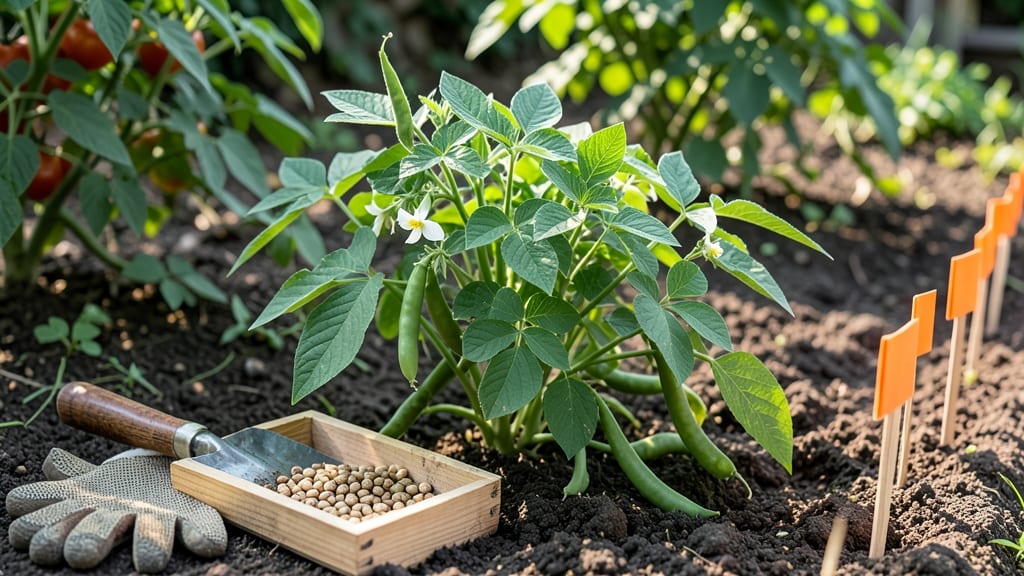
If you’ve ever wondered when to plant green beans in Missouri, timing is everything—especially when frost can turn your hard work into a sad, wilted pile of 🌱 dreams.
Missouri’s 5b-6b climate means you’ve got just a few weeks between the last frost (around April 15) and the heat of summer to get these heat-loving plants in the ground right.
Plant too early, and a late frost will nip your seedlings in the bud. Wait too long, and you’ll miss the ideal window of April 15–June 1 for spring plantings—or the August 1–September 1 slot for fall harvests.
But here’s the good news: with the right soil temps (60°F+) and a few pro strategies, you can stretch your growing season and enjoy fresh-picked beans from June through October.
I’ll break down Missouri’s frost zones, soil prep secrets, and whether to go for bush or pole varieties—plus how to protect your plants if Mother Nature throws a curveball. Let’s make sure your green beans thrive, not just survive.
Ready to turn your garden into a bean bonanza? Grab your gloves, and let’s get planting!
Missouri green bean planting timeline: frost dates & last spring frost averages by region
Missouri’s diverse climate means your green bean planting window varies dramatically from St. Louis to Kansas City or Northeast Missouri. The last spring frost typically arrives between April 15 in southern regions and May 1 in northern areas, creating a 3-week difference in safe planting dates.
For example, St. Louis gardeners can start seeds indoors by March 15 for early harvests, while NW Missouri should wait until April 15 to avoid frost damage.
Green beans thrive in USDA Zones 5b-6b, but microclimates—like river valleys warming faster than uplands—can shift your planting timeline by 1-2 weeks.
Always check local frost data from the Missouri State University Extension, as recent years have shown late frosts in April even in Zone 6 areas. Pole beans need more warmth than bush varieties, so plan accordingly.
Here’s how Missouri’s four key regions break down for green bean planting:
| Region | Last Spring Frost | Ideal Planting Window | Notes |
|---|---|---|---|
| St. Louis (Zone 6b) | April 10-15 | March 20 (indoors) / April 15 (outdoors) | Urban heat islands may allow earlier planting. |
| Kansas City (Zone 5b-6a) | April 15-20 | April 1 (indoors) / April 25 (outdoors) | North KC areas may need row covers for early starts. |
| Columbia (Zone 6a) | April 12-18 | March 25 (indoors) / April 18 (outdoors) | River valleys warm 2-3 days earlier than uplands. |
| NW Missouri (Zone 5b) | April 20-25 | April 10 (indoors) / May 1 (outdoors) | Late frosts common; use black plastic mulch for warmth. |
For fall planting, aim for August 1-September 1 in all regions, giving beans 60-70 days to mature before first frost. Pole beans like ‘Kentucky Wonder’ produce longer in cool fall weather, while bush varieties like ‘Blue Lake’ mature faster.
Always account for 10-14 days of buffer time after your expected frost date.
Pro tip: Use the Missouri Climate Center’s frost probability tool to adjust your timeline.
For example, if the 10% frost risk date is May 5, wait until May 10 for outdoor planting to minimize risk. Row covers can extend your window by 2-3 weeks in early spring or late fall.
Missouri’s short growing season (only 165 frost-free days) demands smart planning. Stagger plantings every 2 weeks from April 15-June 1 for continuous harvests, and repeat in August for a second crop. This succession planting strategy maximizes yields and reduces waste.
🌱
Soil temperature & warmth requirements for green beans in Missouri’s climate
Green beans are heat-loving plants, so soil temperature is just as critical as frost dates in Missouri. They won’t germinate well in cold soil—aim for at least 50°F (10°C) for sprouting, but 60°F (16°C) or warmer ensures strong, healthy growth.
Missouri’s microclimates, like river valleys staying warmer longer, can shift your planting window by weeks compared to upland areas.
Use a soil thermometer to check depth (1-2 inches down).
In Missouri’s USDA zones 5b-6b, soil typically hits 60°F by mid-April in southern regions but may wait until late April or early May in northern areas. Pole beans tolerate slightly cooler soils than bush varieties, giving you a few extra days for early planting.
🌱Pro Tip: If your soil is still chilly after the last frost, try black plastic mulch or straw covers to warm it faster. These methods can add 5-10°F to soil temperature, helping green beans germinate sooner in cooler springs.
- Slow germination: Seeds may rot below 50°F
- Leggy seedlings: Stretching toward light in low temps
- Fungal diseases: Damp cold soil encourages rot
Missouri’s river valleys (like the Missouri River bottoms) often warm up 1-2 weeks earlier than surrounding areas. If you’re near water, test soil temps there first—you might get a 2-week head start on upland gardeners. For container growing, use heat mats to maintain consistent warmth in early spring.
After planting, monitor soil moisture closely. Green beans need consistent warmth (60°F+) to develop properly. If nights drop below 50°F (10°C), use row covers or cloches to protect young plants. Even a single cold snap can stunt growth or delay harvests by weeks.
For fall plantings, aim to sow seeds when soil temps are still above 60°F (16°C)—typically late July to early August in Missouri. This ensures beans mature before the first frost (usually mid-October). Use fast-maturing varieties (like ‘Blue Lake’) to maximize your harvest window.