
Planting
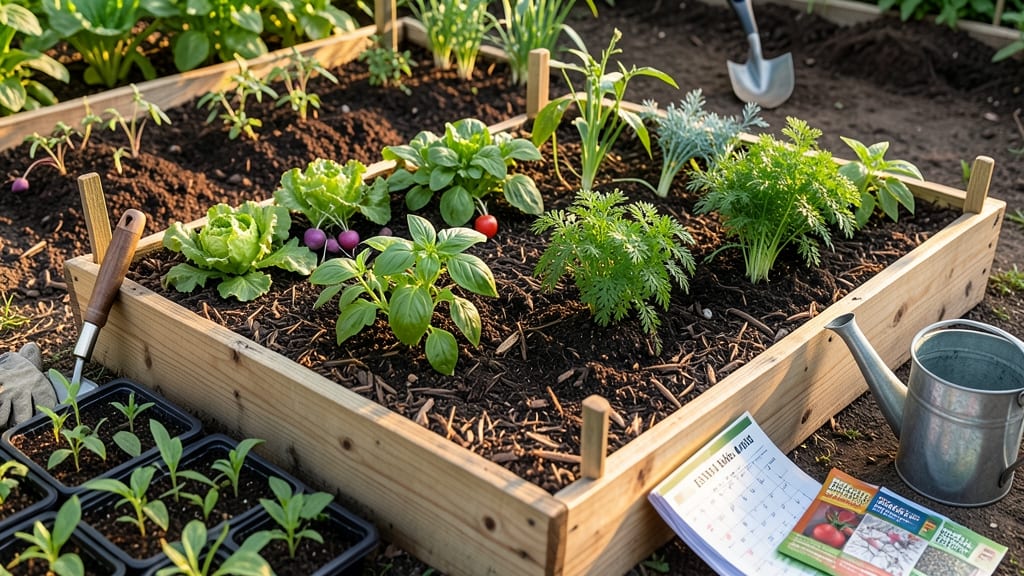
Timing when to plant a vegetable garden in Pennsylvania isn’t just about throwing seeds in the dirt—it’s the difference between a bumper crop and a sad, wilted disappointment.
With frost dates that can shift 10 days from Pittsburgh to Allentown, planting too early risks frost damage, while waiting too long means your tomatoes never ripen. But get this right, and you’ll enjoy fresh peppers in July and crisp greens well into October.
Most gardeners in PA’s 5b-7a zones know the golden rule: cool-season crops like spinach and peas belong in the ground by mid-April, while heat-lovers like tomatoes and peppers need to wait until after the last frost—usually mid-May.
Yet even these averages can be misleading, especially in years with early heatwaves or late snows. That’s why I’ll break down exactly when to plant, what to watch for, and how to stretch your growing season without fancy (or expensive) equipment.
Whether you’re a first-time gardener in Philadelphia or a veteran in rural Lancaster, these strategies will help you avoid the most common PA planting pitfalls.
We’ll cover everything from soil prep to succession planting, so you can enjoy homegrown veggies from May through September—no matter what Mother Nature throws your way.
Ready to turn your backyard into a productive 🥬 vegetable garden? Let’s dive into the exact planting windows, frost-free tricks, and crop-by-crop schedules that work for Pennsylvania’s climate—so you can finally stop guessing and start growing with confidence.
Pennsylvania planting zones & frost dates: your 2024 timeline by region
Pennsylvania spans USDA hardiness zones 4a to 7a, meaning frost dates vary dramatically from the Poconos (Zone 5b) to Philadelphia (Zone 7a). These differences dictate when to plant cool-season crops like spinach and warm-season crops like tomatoes.
Use these average frost dates as your guide—but always check local weather forecasts for adjustments.
For Zone 4a–5a (northwest PA), the last frost typically arrives April 20–May 5, while Zone 6a–7a (southeast PA) sees April 1–April 15. The first frost in fall hits October 10–October 30, depending on elevation. These windows determine your planting deadlines for both spring and fall gardens.
Here’s how to use these dates: Plant cool-season crops (e.g., peas, lettuce) 4–6 weeks before last frost and warm-season crops (e.g., tomatoes, peppers) 2–4 weeks after last frost. For Zone 7a (e.g., Philadelphia), heatwaves can push last frost to May 10, so monitor 30-day forecasts.
⚠️ PRO TIP: Use row covers to extend your spring planting window by 2–3 weeks in cooler zones. In Zone 4a, this can mean the difference between a failed crop and a bountiful harvest.
| USDA Zone | Region | Last Frost | First Frost | Cool-Season Planting | Warm-Season Planting |
|---|---|---|---|---|---|
| 4a–5a | Poconos, Erie | April 20–May 5 | October 10–20 | March 15–April 1 | May 15–June 1 |
| 5b–6a | State College, Harrisburg | April 10–April 25 | October 15–25 | March 1–March 15 | April 25–May 10 |
| 6b–7a | Philadelphia, Pittsburgh | April 1–April 15 | October 20–30 | February 28–March 15 | April 15–April 30 |
In Zone 7a, where summers can hit 90°F+, tomatoes and peppers may need shade cloth in July to prevent blossom drop. For Zone 4a, prioritize fast-maturing varieties like ‘Early Girl’ tomatoes (55 days) over slower growers.
🌱 KEY TAKEAWAY: Your last frost date is your planting deadline for cool crops, while your first frost date dictates when to harvest or protect warm-season plants. Use Penn State Extension’s frost calculator for real-time updates.
For fall gardens, aim to plant warm-season crops by August 1 in Zone 6a and September 1 in Zone 7a to ensure mature harvests before frost. Succession planting (e.g., radishes every 2 weeks) maximizes yields in PA’s short season.
Urban gardeners in Philadelphia (Zone 7a) often face heat islands, which can push last frosts 2–3 weeks later than rural areas. If you’re in a city, plant warm crops 1–2 weeks later than rural guidelines suggest.
Always harden off seedlings for 7–10 days before transplanting, especially in Zone 4a–5a, where late frosts can still occur. Use frost cloth or row covers for extra protection during May’s unpredictable weather.
Best vegetables to plant in PA by month: a month-by-month survival guide
March is your time to prep—not plant! Focus on soil prep and cool-season starts like spinach and peas in southern PA (Zone 7a). Northern zones (4a-6a) wait until April. Use row covers to protect tender seedlings from late frosts.
April is prime for direct-sowing lettuce, carrots, and radishes. In Zone 7a, start tomato and pepper seeds indoors. For Zones 4a-6a, wait until mid-April. Hardening off seedlings is critical this month to avoid transplant shock.
🌱 March
- Spinach: Sow outdoors after last frost risk (Zone 7a only)
- Peas: Direct-sow in well-drained soil; trellis for support
- Onions: Start sets or seeds in prepared beds
- Lettuce: Use cold frames for early starts in Zones 6a-7a
🌿 April
- Carrots: Thin seedlings to 2" apart; avoid rocky soil
- Radishes: Plant every 2 weeks for continuous harvest
- Beets: Sow seeds ½" deep; harvest young for tender greens
- Kale: Transplant cold-hardy varieties like 'Winterbor'
☀️ May
- Tomatoes: Transplant after soil reaches 60°F; stake for support
- Peppers: Use black plastic mulch to warm soil in Zones 4a-6a
- Cucumbers: Trellis for better air circulation and disease prevention
- Green Beans: Sow seeds 1" deep; harvest every 2-3 days
May is warm-season planting month! Transplant tomatoes, peppers, and eggplants after soil warms to 60°F+. In Zones 4a-6a, use row covers for early starts. Succession plant beans and cucumbers every 2 weeks for extended harvests.
June through August is all about heat-loving crops. Plant squash, corn, and okra in full sun. Mulch heavily to retain moisture. Drought-tolerant varieties like 'Heatmaster' tomatoes thrive in PA’s summer heat. Avoid overwatering—deep soaking twice weekly is better than daily shallow watering.
September is your second chance for cool-season crops! Plant broccoli, cauliflower, and kale by mid-month. Use row covers to extend harvests into October. Radishes and spinach mature quickly—ideal for late-season gardens. Monitor first frost dates and protect tender crops with cloches.
October is for harvesting and cleaning up. Save seeds from your best tomatoes and peppers for next year. Compost plant debris to reduce disease risk. Cold-hardy greens like kale and Swiss chard can overwinter with mulch protection. Plan next year’s garden layout while the soil is still workable!