
Planting
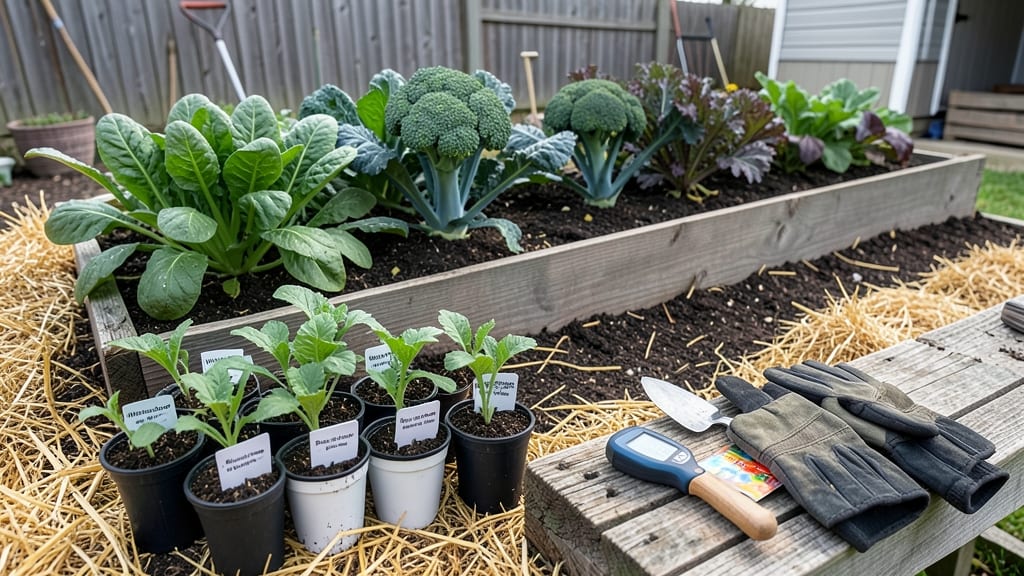
When to plant a vegetable garden in New Brunswick can feel like a high-stakes game of chance—get it wrong, and you’ll watch your seeds turn to mush before they even sprout. With Zone 5b’s unpredictable frost dates (last frost lingering until mid-May in many areas), knowing exactly when to plant is the difference between a bountiful harvest and a sad pile of compost.
Most gardeners here learn the hard way: rushing warm-season crops like tomatoes too early leads to stunted growth, while waiting too long for cool-season greens means missing the window entirely.
The key? Starting cold-hardy crops indoors 6-8 weeks before last frost and waiting until soil reaches 50°F (10°C) for warm-lovers like peppers and beans.
I’ve spent years perfecting this in New Brunswick, and what I’ve discovered is that succession planting is your secret weapon—especially for crops like lettuce and radishes that thrive in both spring and fall.
Even with just 165 frost-free days, you can stretch your harvests by using row covers or planting heat-tolerant varieties.
In this guide, I’ll break down the exact planting windows for your top vegetables, plus pro tips to beat NB’s short season—no greenhouse required. Let’s turn those 🥬 dreams into reality, one frost-free day at a time.
New Brunswick’s frost dates & optimal planting windows by month
New Brunswick’s Zone 4B climate demands precision when planting—one late frost can wipe out your entire garden. The average last frost date ranges from April 15 to May 15, while the first frost typically arrives between September 15 and October 15.
This leaves roughly 165 frost-free days, so choosing the right planting windows is critical.
Cool-season crops like kale, peas, and spinach thrive when planted 4-6 weeks before the last frost, often as early as late March under row covers. Warm-season crops such as tomatoes and peppers need to wait until after May 15, when soil temperatures consistently reach 50°F (10°C).
Fall planting for broccoli and carrots can start as late as August 1.
Here’s how to align your planting with New Brunswick’s monthly frost risks and crop maturity timelines to avoid wasted effort and maximize yields:
| Month | Cool-Season Crops | Warm-Season Crops | Fall Planting | Notes |
|---|---|---|---|---|
| March | Peas, spinach, kale (under cover) | None | None | Start indoors for early harvests |
| April | Lettuce, radishes, carrots | Tomatoes (hardy varieties) | None | Wait until soil warms to 50°F |
| May | Broccoli, cabbage, beets | Peppers, cucumbers, beans | None | Monitor frost alerts; use row covers |
| June | Succession plant lettuce | Squash, corn, melons | None | Fast-growing crops only |
| August | None | None | Broccoli, carrots, kale | Plant 8-10 weeks before first frost |
| September | Spinach, radishes | None | Turnips, peas | Use frost blankets for late harvests |
For warm-season crops, consider heat-tolerant varieties like 'Early Girl' tomatoes or 'Black Beauty' eggplants, which mature faster in NB’s short summer. Always check the back of seed packets for days to maturity—aim for crops that reach harvest before September 15.
New Brunswick’s spring frost risks are highest in May, so I recommend planting fast-maturing varieties (e.g., bush beans in 50 days) as a backup. Use frost-sensitive plants like tomatoes and peppers only after May 20, when the risk of frost drops below 10%.
Fall planting is your second chance for a harvest. Start broccoli and carrots in early August to ensure they mature before the first frost. Use row covers to extend the season by 2-3 weeks and protect tender crops like kale from light frosts.
Pro tip: Bookmark the New Brunswick Agricultural Extension frost forecast for real-time updates. Their weekly alerts can save your garden from unexpected cold snaps—especially in Zone 4B’s unpredictable climate.
🌱
Best vegetables to plant in New Brunswick’s short season (ranked by success)
New Brunswick’s short 165-day frost-free season demands smart crop choices. Focus on fast-maturing, cold-tolerant varieties that thrive in Zone 4B’s cool summers. I’ve ranked the top 10 vegetables by success rate, maturity time, and adaptability to NB’s climate—because not all veggies make the cut here. Pro tip: Pair early producers (like peas) with late-season holdouts (like kale) to maximize your harvest window. For example, bush beans mature in just 50 days, while potatoes take 90 days but store well through winter.🌱 Did You Know? New Brunswick’s cool nights actually benefit some crops—like leafy greens and root vegetables—which develop sweeter flavors in cooler temps. But heat-lovers (tomatoes, peppers) need row covers or early starts indoors to avoid stunted growth.
Succession planting is your secret weapon in NB. For example, sow radishes every 2 weeks from May to July for a continuous harvest—these mature in just 25 days. Similarly, bush beans and zucchini (if you’re brave) can be replanted every 3 weeks to stretch your harvest into early September. Watch out for: Tomatoes and peppers—they’re risky in NB’s short season unless you start seeds indoors by March and use row covers to extend warmth. Even then, expect smaller yields than in warmer zones. Cucumbers are another gamble; opt for short-vine varieties like ‘Straight Eight’ if you try them.💡 Pro Tip: Save space by growing vertical crops like pole beans or trellised cucumbers. In NB’s limited garden real estate, every inch counts—especially when you’re juggling 3-4 plantings of fast crops like lettuce or radishes.
Fall planting (August–September) is your second chance. Focus on cool-season crops like broccoli, cabbage, and turnips, which tolerate light frosts. For example, broccoli sown in early August can produce heads by October before winter sets in. Just mulch heavily with straw to insulate roots from early frosts.⏰ Timing Matters: In NB, soil temperature (not air temp) dictates planting. Use a soil thermometer—most warm-season crops need soil at 50°F (10°C) or warmer. Cool crops? They’ll sprout at 40°F (4°C), but wait until soil is workable (no muddy clumps) to avoid rot.