
Planting
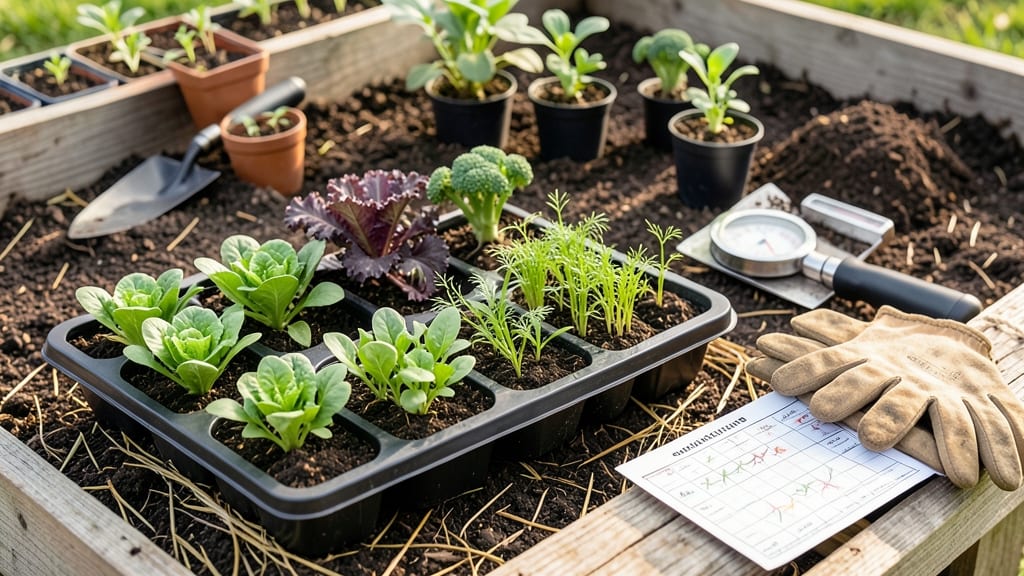
Timing your vegetable garden in New York isn't just about luck—it's about knowing when to plant to beat frost and maximize your harvest. With USDA Zones 5-7 across the state, your planting window can shift dramatically from the Adirondacks to Long Island.
Whether you're growing heat-loving tomatoes or cold-hardy kale, getting the timing right means the difference between a thriving garden and a sad, wilted disappointment.
I've spent years helping gardeners in New York navigate these tricky planting windows, and the key is understanding your local frost dates. Upstate gardeners might plant peas as early as March, while city gardeners in Brooklyn should wait until late April.
The secret? Using a frost-free timeline tailored to your exact location—because New York's weather is as unpredictable as a subway schedule.
In this guide, I'll break down exactly when to plant your favorite vegetables by month, including which crops thrive in spring's cool soil and which need summer's warmth.
You'll learn how to adjust for microclimates, extend your growing season, and even handle those pesky late frosts that can sneak up on you. Let's get your garden growing on the right schedule.
Ready to transform your backyard into a productive vegetable patch? The first step is knowing when to put those seeds in the ground—because in New York, timing really is everything. Grab your gloves, and let's dive into the perfect planting calendar for your zone.
New York planting zones & frost dates: exact timelines for cool-season vs. warm-season crops
New York spans USDA Planting Zones 5-7, creating dramatic differences in frost dates between Upstate and New York City. Understanding these zones helps you avoid late spring frosts that can devastate tender seedlings or miss the fall planting window before winter sets in.
For example, Zone 5 (northern NY like Buffalo) has an average last frost date of May 15, while Zone 7 (NYC and Long Island) enjoys a May 1-15 window. These dates shift yearly—always check local frost calendars for the most accurate timing.
Cool-season crops like lettuce, spinach, and kale thrive when planted 4-6 weeks before your last frost date. Warm-season crops such as tomatoes, peppers, and squash need soil temperatures above 60°F and should wait until 2 weeks after your last frost.
Urban gardeners in NYC or Brooklyn often experience microclimates that delay frost by 1-2 weeks compared to rural areas. Use frost-free date calculators from Cornell Cooperative Extension to fine-tune your schedule.
Fall planting follows the reverse logic: cool-season crops can be sown 60-90 days before your first frost (typically October 15-November 1 in most zones). Warm-season crops like beans and cucumbers have a short summer window—plant them early to beat the heat.
Here’s how to use this zone-specific timeline to plan your garden:
| Zone | Last Spring Frost | First Fall Frost | Cool-Season Planting Window | Warm-Season Planting Window |
|---|---|---|---|---|
| Zone 5 (Upstate NY) | May 15 | October 15 | April 15-May 1 | May 30-June 15 |
| Zone 6 (Central NY) | May 1 | October 30 | March 20-April 15 | May 15-June 1 |
| Zone 7 (NYC/Long Island) | April 25 | November 10 | March 1-April 1 | May 1-June 1 |
*Dates are averages; check local sources for yearly adjustments
For cool-season crops, prioritize hardy greens like spinach and kale—they tolerate light frosts and can even sweetened by cold. Start seeds indoors 4-6 weeks before your last frost date, then transplant seedlings 2-3 weeks later when soil warms.
Warm-season crops need warm soil to germinate. Use a soil thermometer—wait until readings hit 60°F+ for tomatoes and 70°F+ for peppers. In Zone 5, this often means waiting until late May or early June.
Pro tip: Succession planting extends harvests. Sow lettuce every 2 weeks from spring to early fall, and beans every 3 weeks from June to August. This ensures a steady supply without overwhelming your space.
Remember, New York’s weather is unpredictable. Always have row covers or frost cloth on hand for late spring or early fall surprises. Urban gardeners can also use black plastic mulch to warm soil faster in spring.
🌱
Best vegetables to plant by month in New York (month-by-month guide)
New York’s growing season unfolds like a carefully choreographed dance, with each month offering unique opportunities for planting. My month-by-month guide will help you align your vegetable garden with nature’s rhythm, ensuring you plant at the perfect time for maximum yield and flavor.
Whether you're a beginner or a seasoned gardener, these actionable tips will transform your backyard into a productive harvest haven.
Start by understanding that cool-season crops like lettuce and spinach thrive in spring and fall, while warm-season favorites such as tomatoes and peppers need the heat of summer. I’ll break down which vegetables to plant each month, including when to start seeds indoors and when to direct-sow outdoors.
This way, you’ll avoid the heartbreak of frost damage or the disappointment of stunted growth.
For example, in March and April, focus on cold-hardy vegetables like peas, spinach, and kale. These crops can handle New York’s early spring chills and even thrive in cooler temperatures.
Meanwhile, save your heat-loving tomatoes and peppers for May and June, when the soil has warmed up and the risk of frost has passed. Let’s dive into the specifics.
| Month | Vegetable | Action | Notes |
|---|---|---|---|
| March | Peas, Spinach, Kale | Direct Sow | Cold-hardy; cover with row fabric if frost threatens. |
| April | Lettuce, Radishes, Carrots | Direct Sow | Start seeds indoors for tomatoes and peppers. |
| May | Tomatoes, Peppers, Cucumbers | Transplant | Wait until soil is at least 60°F; use row covers for early starts. |
| June | Beans, Corn, Squash | Direct Sow | Plant after last frost; succession plant every 2 weeks. |
| August | Broccoli, Cabbage, Lettuce | Direct Sow | Extend season with cold frames or row covers. |
One of my favorite strategies is succession planting, which involves staggering your plantings every 2-3 weeks to ensure a continuous harvest. For example, if you plant lettuce in early May, follow up with another batch in late June.
This way, you’ll enjoy fresh greens throughout the summer instead of a single, short-lived harvest. It’s a game-changer for leafy vegetables like lettuce, spinach, and kale.
Don’t forget about fall planting, which can be just as productive as spring. In September and October, you can still sow cool-season crops like broccoli, cabbage, and carrots. These vegetables will mature before the first frost, giving you a second harvest of the year.
I’ve even had success with overwintering garlic and onions, which I plant in late fall for a spring harvest.
To extend your growing season even further, consider using cold frames or row covers. These simple tools can protect your plants from late frosts and even allow you to grow vegetables like spinach and lettuce well into the fall.
I’ve seen gardeners in upstate New York harvest greens as late as November with the help of a basic row cover. It’s a small investment that pays off big time in terms of yield and flavor.
Finally, keep an eye on your local frost dates—they can vary significantly even within New York. For example, gardeners in the Adirondacks (Zone 5) might have a shorter growing season than those in Long Island (Zone 7).
Use resources like the National Weather Service or local agricultural extensions to get the most accurate frost predictions for your area. With this guide and a little planning, you’ll be well on your way to a bountiful vegetable garden all season long. 🌿