
Planting
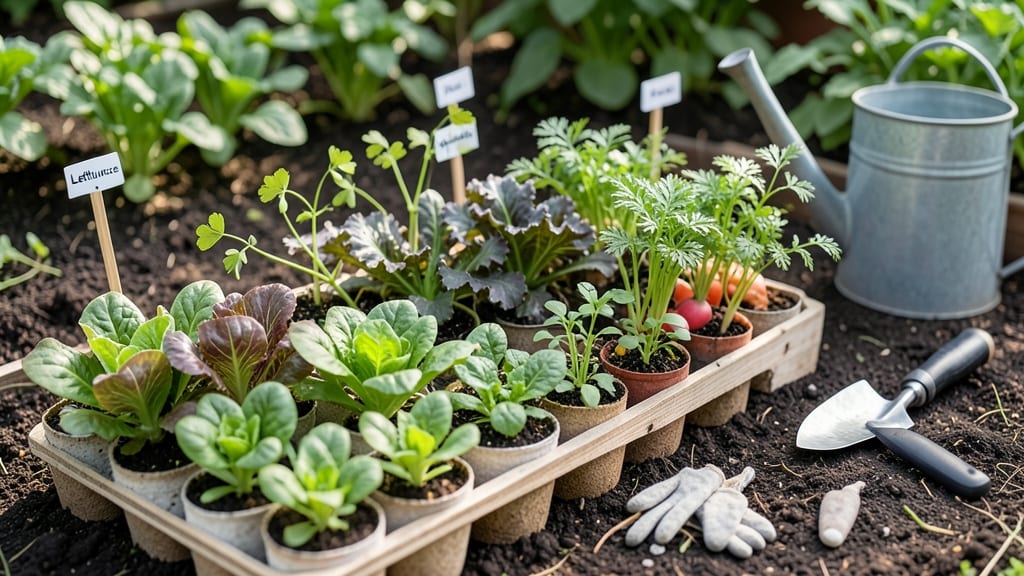
When should you plant a garden in Michigan? The answer isn’t just about throwing seeds into the dirt—it’s about beating the unpredictable frost that can turn your hard work into a sad, frozen memory. Whether you're in Detroit, Traverse City, or the Upper Peninsula, knowing the exact planting windows for your zone means the difference between a bountiful harvest and wasted effort.
I’ve spent years helping Michigan gardeners like you navigate these tricky frost dates, and the key is understanding your local microclimate. From cold-hardy peas in early spring to late-summer tomatoes, each crop has its own ideal window—and missing it can mean waiting another year for that perfect harvest.
Let’s break down the science behind it so you can plant with confidence.
You’ll discover how to read your zone’s last frost dates, which vegetables thrive in Michigan’s spring vs. fall, and even how to stretch your growing season with simple tricks. No more guessing—just proven strategies to make your garden flourish, no matter where you are in the state.
Ready to turn your garden dreams into reality? Let’s dive into the zone-specific planting schedule that’ll have you harvesting like a pro by summer’s end.
Michigan planting zones & last frost dates by region: a Zone-specific guide
Michigan spans USDA Hardiness Zones 4-6, which means your planting schedule depends heavily on whether you’re in the Lower Peninsula or the Upper Peninsula. The last spring frost can vary by 2-3 weeks between regions, so knowing your exact zone is critical.
For example, Detroit typically sees its last frost around May 10-15, while Traverse City’s frost-free date arrives earlier, around May 1-7. These differences can mean the difference between a thriving garden and a failed one.
Even within the same zone, microclimates play a huge role. A south-facing slope warms up faster than a low-lying area, and urban heat islands in cities like Grand Rapids can push frost dates back by a week or more.
Always check your local almanac or use a frost-free date calculator for the most precise timing. I’ve planted tomatoes too early in my backyard only to watch them freeze—a costly lesson!
Here’s how to find your exact planting window: Start by locating your USDA Zone (most of Michigan falls in Zone 5 or 6), then adjust for your average last frost date. The National Weather Service and Michigan State University Extension offer tools to refine these dates.
For instance, if you’re in Zone 5b (like much of the Upper Peninsula), you’ll need to wait until late May for warm-season crops, while Zone 6a gardeners (southern Michigan) can plant as early as mid-April for cold-hardy crops.
| Region | USDA Zone | Avg. Last Frost | First Planting (Cold-Hardy) | Warm-Season Ready |
|---|---|---|---|---|
| Detroit | 6a | May 10-15 | Mid-April (peas, spinach) | Late May (tomatoes, peppers) |
| Grand Rapids | 5b | May 15-20 | Late April (lettuce, radishes) | Early June (cucumbers, beans) |
| Traverse City | 5a | May 1-7 | Early April (onions, kale) | Late May (eggplant, basil) |
| Upper Peninsula (Marquette) | 4b | May 25-June 1 | Late April (potatoes, peas) | Early June (squash, zucchini) |
Note: Adjust dates 1-2 weeks earlier for south-facing slopes or later for low-lying areas.
If you’re new to Michigan gardening, start with cold-hardy crops like spinach, peas, and lettuce in early spring. These can tolerate light frosts and give you an early harvest. I always plant a few radishes by April 15—they’re fast-growing and act as a frost indicator.
If your radishes survive, it’s safe to plant more delicate greens like baby bok choy or arugula.
For warm-season vegetables like tomatoes, peppers, and cucumbers, wait until the soil temperature reaches at least 55°F (13°C). Use a soil thermometer to check—cold soil can stunt growth.
In my garden, I’ve found that black plastic mulch warms the soil faster, allowing me to plant tomatoes 1-2 weeks earlier than the average frost date suggests. This trick is especially useful in Zone 5 areas where summers are short.
Don’t forget about fall planting! Many vegetables, like kale, carrots, and broccoli, thrive when planted in late summer (August-September). These crops actually sweeten after frost, making them perfect for a second harvest.
I’ve had great success with fall garlic planted in October—it overwinters and produces robust bulbs the next summer.
Pro tip: Use row covers or cloches to extend your planting window by 2-4 weeks in spring and fall. These simple tools create a microclimate that protects tender plants from late frosts. I’ve used them to plant cabbage as early as April 1 in Zone 6, giving me a head start on the season. Just
Finally, keep a gardening journal to track your frost dates and planting successes. Over time, you’ll notice patterns unique to your yard—like how a wooded area might frost later than an open field. My journal helped me realize that my south-facing raised beds warm up 10 days earlier than the rest of my garden, so I now adjust my planting schedule accordingly. 🌱
Best vegetables to plant in spring vs. fall in Michigan (with exact months)
Michigan’s spring and fall planting windows are your secret weapons for a productive garden. While spring brings cold-hardy crops, fall offers a second chance to grow warm-season favorites before frost. The key? Knowing which plants thrive in cool soil versus those that need warmth to germinate.
For spring planting, start with peas and spinach as early as late March to April—they tolerate cool soil and even light frost. By mid-May, when soil temperatures hit 50°F+, you can safely plant tomatoes, peppers, and cucumbers.
But timing isn’t one-size-fits-all: Detroit’s last frost averages May 10, while Traverse City’s is May 25.
Fall planting is just as critical. Cool-season crops like kale, carrots, and lettuce can go in as late as early September, giving them 6–8 weeks to mature before winter. Meanwhile, warm-season holdovers like bush beans and zucchini should be sown by mid-July to avoid bolting in the heat.
🌱 Michigan Planting Calendar: Spring vs. Fall
| Season | Vegetable | Planting Window | Notes |
|---|---|---|---|
| Spring | Peas | Late March–April | Cold-hardy; direct sow when soil is 40°F+ |
| Spring | Spinach | Early April–May | Bolts in heat; harvest before June |
| Spring | Tomatoes | Mid-May–June | Wait until soil is 60°F+; use row covers if frost risk |
| Fall | Kale | Early August–September | Sweeter after frost; harvest before hard freeze |
| Fall | Carrots | Late July–August | Slow to mature; plant 6–8 weeks before first frost |
| Fall | Bush Beans | Mid-July–August | Avoid planting after July 15 in most zones |
Pro tip: Use a 4-week pre-planting