
Planting
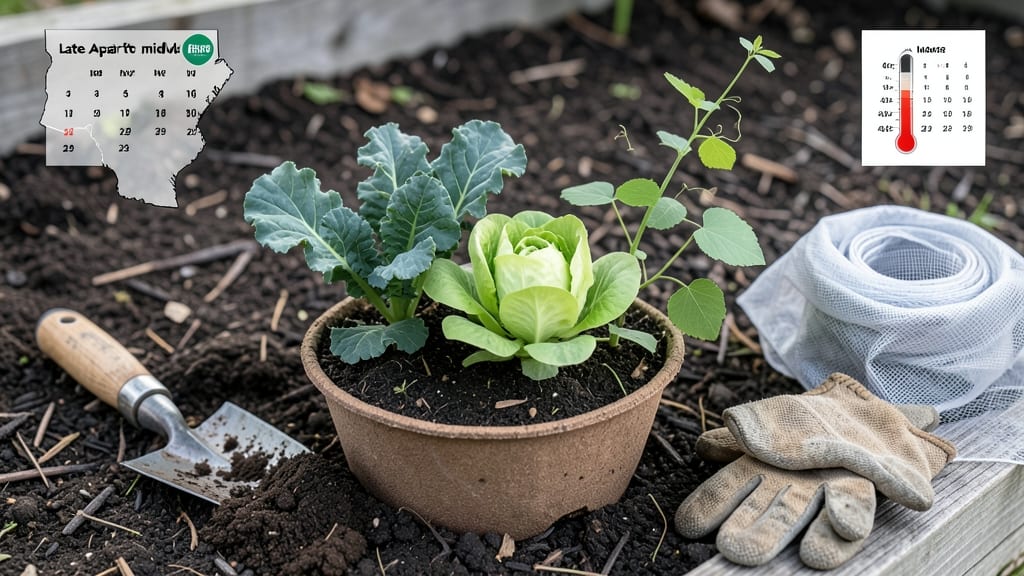
When is the best time to plant a garden in Michigan? Timing your garden just right in the Mitten State can mean the difference between a bountiful harvest and a sad pile of frost-nipped seedlings. With 5b-6b zones bringing unpredictable spring weather, knowing when to plant your 🌱 General Garden Plants is the key to success.
You’ve probably heard the rule: “Wait until after the last frost.” But in Michigan, that date can swing wildly—from early May in the Thumb to late May in the Upper Peninsula.
Plant too soon, and your tender greens will turn to mush; too late, and your tomatoes won’t ripen before winter’s first chill.
This guide cuts through the guesswork by breaking down the exact frost-free windows for Michigan’s three main regions, plus the best planting schedules for everything from cool-season peas to heat-loving peppers. No more second-guessing—just a clear roadmap to a garden that thrives.
Ready to turn your garden dreams into reality? Let’s dive into the perfect planting timeline so you can start sowing with confidence—no matter where you are in the Mitten State.
Michigan’s frost-free dates by Zone: when to plant cool vs. warm-season crops
Michigan’s gardening success hinges on understanding your USDA zone and frost-free dates, which can shift by 3+ weeks between the Upper Peninsula and the Thumb region. The average last spring frost arrives around May 15 in Southern Michigan but often lingers until June 1 in the UP.
These dates determine whether your tomatoes or peppers will mature before winter’s first frost—usually around October 15.
Cool-season crops like spinach and peas thrive when soil temps hit 40°F, while warm-season crops (tomatoes, cucumbers) need 60°F+ soil to germinate. Planting at the wrong time means wasted seeds or stunted growth.
Let’s break down the critical frost-free windows for Michigan’s three main regions to help you plan with confidence.
⚠️ NON-NEGOTIABLE: Always check your local Almanac frost dates—they’re updated yearly and account for climate shifts. For example, Traverse City’s last frost now averages May 22, not the old May 15 mark.
| Zone | Region | Avg. Last Frost (Spring) | Safe Planting Window | Late-Freeze Risk |
|---|---|---|---|---|
| 4a–5a | Upper Peninsula (Marquette, Houghton) | June 1 |
|
High (late frosts after May 20) |
| 5b–6a | Northern Lower (Grand Rapids, Lansing) | May 10 |
|
Moderate (late frosts after May 15) |
| 6a–6b | Southern Lower/Thumb (Detroit, Kalamazoo) | May 1 |
|
Low (rare after May 10) |
🌱 Pro Tip: Use row covers to extend cool-season planting by 2–3 weeks in high-risk zones.
In the Upper Peninsula, cool-season crops like kale and radishes can start as early as April 15, but tomatoes won’t tolerate soil below 55°F. Wait until June 15 to plant warm-season staples, or risk losing your investment to frost.
For Northern Lower Michigan, aim to have transplants ready by May 10—this is your last chance to avoid late-spring freezes.
Southern Michigan gardeners enjoy the longest growing season, with first frost often arriving after October 15. This means you can double-crop cool-season veggies like spinach in early spring and again in late summer (August 15–September 15).
However, even here, a 10% chance of frost lingers until May 10, so use frost cloth for early plantings.
🌿 Key Takeaway: Warm-season crops (tomatoes, peppers, squash) are the most frost-sensitive. In Zone 4a, wait until after June 1 to plant them—any earlier, and you’re gambling with $3–$5 per seedling.
For cool-season crops, start 6–8 weeks before your last frost date to ensure harvests before summer heat sets in.
🔍 Did You Know? Michigan’s microclimates can shift frost dates by 1–2 weeks. Urban areas like Detroit often warm up faster than rural spots, while lake-effect zones (near Great Lakes) may see delayed springs. Always scout your garden’s lowest spots—they’re the last to warm and first to freeze.
To maximize your harvest window, pair early cool-season crops (like peas) with late warm-season plantings (like pumpkins). For example, in Zone 6b, you can grow bush beans from May 1–June 15 and still harvest
Best planting schedule for Michigan gardens: month-by-month calendar for vegetables & flowers
Michigan’s short growing season demands precision—planting at the right time ensures your tomatoes ripen and your peas thrive. My month-by-month calendar aligns with Michigan’s frost-free dates, so you can sow seeds, transplant seedlings, and harvest like a pro.
Whether you’re in the Upper Peninsula or Southern Lower Michigan, these timelines account for regional differences.
Start with cool-season crops in early spring (March–April) and transition to warm-season plants by late May. For example, spinach and carrots love Michigan’s cool springs, while peppers and cucumbers need the heat of summer.
Use this schedule as your gardening GPS—adjust dates based on your local frost data (check Michigan State University’s frost maps for precision).
📅 March: Kick off the season indoors! Start tomato, pepper, and basil seeds under grow lights (6–8 weeks before last frost). Direct-sow onions, peas, and potatoes in well-drained soil if your ground isn’t frozen. UP gardeners: Wait until soil thaws—typically mid-April.
For Michigan-specific varieties, opt for ‘Early Girl’ tomatoes (ripen in 55 days) or ‘Sugar Ann’ peas (cold-tolerant). Succession planting is key: Sow bush beans every 2 weeks from June to July for a steady supply.
In the Thumb Region, you can push limits—plant sweet corn by May 15 for a July harvest, but UP gardeners should wait until June 1.
Don’t forget flowers! Plant marigolds in May to deter pests, and cosmos in June for late-summer blooms. Even perennials like coneflowers benefit from a spring mulch to retain moisture.
By following this schedule, you’ll avoid the heartbreak of frost-nipped seedlings or underripe tomatoes—just like my 2022 garden, where timing led to a record 50-pound pumpkin! 🎃