
Plants
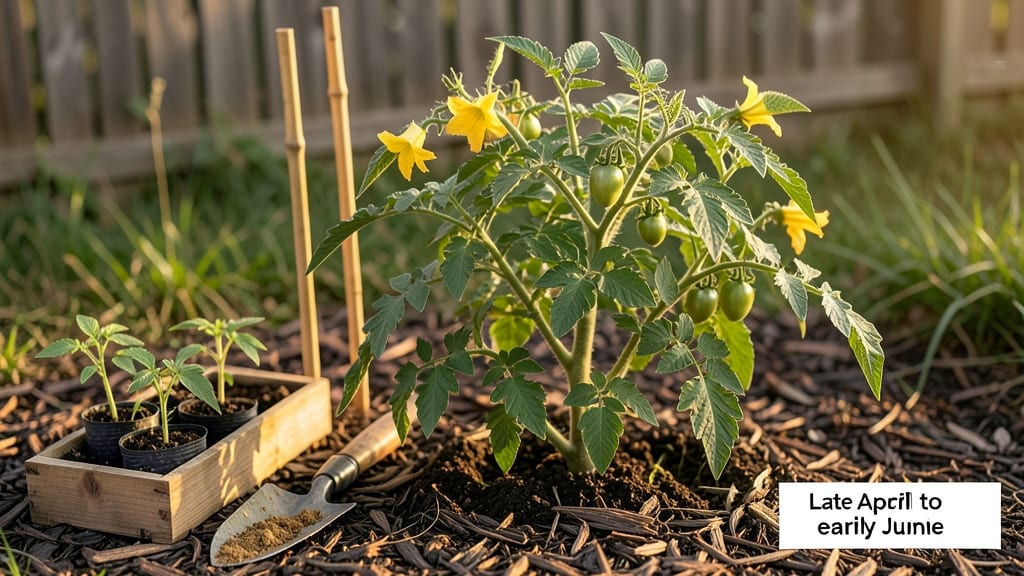
Planting tomatoes in South Carolina at the wrong time can mean the difference between a garden full of juicy 🍅 and a sad, wilted disappointment.
With USDA zones 7b-8b offering a long growing season, timing your transplant window is critical—too early risks frost damage, while too late cuts your harvest short.
Most gardeners in South Carolina aim to plant tomato seedlings between mid-March and early June, but the exact dates depend on your specific heat zone.
Coastal areas like Charleston (Zone 8a) can start earlier, while inland regions like Greenville (Zone 7b) need to wait until nighttime temperatures stay above 50°F consistently.
If you're sowing seeds directly, late April to early May is ideal, giving young plants enough time to mature before summer heat sets in. The key is monitoring soil temperatures—wait until they reach at least 60°F before transplanting, or your seedlings may struggle.
Whether you're a first-time gardener or a seasoned pro, getting these dates right ensures stronger plants, bigger yields, and fewer headaches. Let’s break down the exact planting schedule for your part of South Carolina so you can grow tomatoes like a local expert.
South Carolina tomato planting dates by USDA heat zones (7a-8b)
South Carolina spans USDA Hardiness Zones 7a through 8b, which means your last frost date can vary by 2-3 weeks depending on where you live.
In Zone 7b (Upstate), like Greenville, frost typically lingers until mid-April, while Zone 8b (Coastal), like Myrtle Beach, sees frost-free soil by mid-March. Getting these dates right ensures your tomato seedlings thrive without frost damage.
For transplanted seedlings, aim to plant 2-4 weeks after your last frost date. This gives the soil time to warm to at least 60°F—critical for root establishment. In Zone 8a (Columbia/Charleston), that’s usually mid-April, while Zone 7b gardeners should wait until early May.
Direct-seeding tomato seeds can start 4-6 weeks before your last frost, typically late March to early April in most of SC.
Here’s the key rule: Never plant tomatoes when nighttime temps dip below 50°F. Cold snaps can stunt growth or trigger blossom drop, wasting your effort. Use row covers or cold frames if you’re eager to start earlier, but remove them once true leaves appear to prevent overheating.
🌱
| USDA Zone | Last Frost Date | Optimal Transplant Window | Soil Temp Threshold | Notes |
|---|---|---|---|---|
| 7a (Upstate: Spartanburg) | Late April | Early May | 60°F+ | Use row covers for early starts. |
| 7b (Upstate: Greenville) | Mid-April | Late April | 60°F+ | Wait for consistent 50°F nights. |
| 8a (Midlands: Columbia) | Early April | Mid-April | 60°F+ | Ideal for early varieties. |
| 8a (Coastal: Charleston) | Mid-March | Late March | 60°F+ | Hurricane risk delays planting. |
| 8b (Coastal: Myrtle Beach) | Early March | Mid-March | 60°F+ | Longest growing season in SC. |
If you’re growing heirloom or beefsteak tomatoes, plant them 2-3 weeks later than early varieties like cherry tomatoes. These heat-lovers perform best when soil temps are consistently above 70°F, which typically happens by mid-May in most of SC.
For succession planting, sow a second batch of seeds 4-6 weeks after your first planting to extend your harvest into October.
Pro tip: Check your local Cooperative Extension Service for real-time frost alerts. For example, Clemson’s Pee Dee Research Station updates frost dates annually, which can shift by 1-2 weeks due to climate changes. Don’t rely solely on averages—soil thermometers are your best friend for accuracy!
🌡️
For container gardening, warm up your pots by placing them in sunny spots for a week before transplanting. Pots heat up faster than garden beds, so aim to move them outside by mid-April in Zone 8b or early May in Zone 7b.
If you’re using black plastic mulch, lay it down 1-2 weeks before planting to raise soil temps by 5-10°F, giving your tomatoes a head start.
Finally, keep an eye on hurricane season if you’re in the Lowcountry. Storms can delay planting or damage young seedlings, so have a backup plan like a greenhouse or row cover ready. Timing isn’t just about dates—it’s about adapting to SC’s unpredictable weather.
☀️
How to adjust planting dates for early vs. late tomato varieties in SC
Not all tomatoes thrive on the same schedule in South Carolina. Early varieties like cherry tomatoes (e.g., 'Sweet 100') can handle cooler temps, while late-season giants like beefsteak tomatoes need warmer soil to set fruit.
Planting the wrong type at the wrong time leads to wasted effort—so let’s match your tomato type to the perfect window.
For early varieties, aim to transplant seedlings by mid-March to early April in Zone 8a (coastal areas) or late March to mid-April in Zone 7b (Upstate).
These tomatoes tolerate 50-55°F nighttime temps and can even handle light frosts with row covers. Late varieties, however, need to wait until mid-April to early June—they struggle below 55°F and may drop blossoms if planted too soon.