
Companion Plants
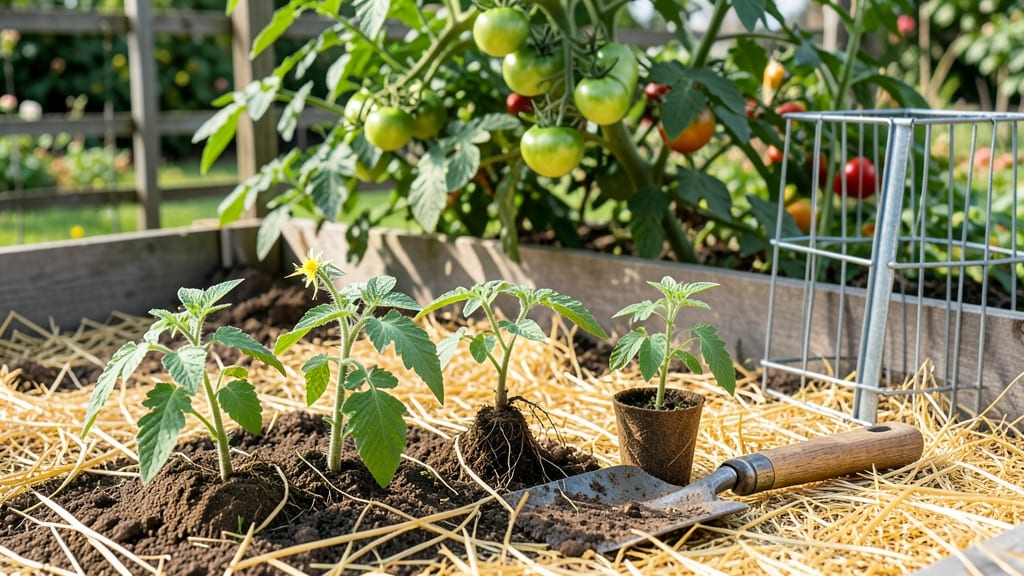
When should I plant tomatoes in Illinois? Timing your tomato planting could make or break your harvest—get it right, and you’ll enjoy juicy, homegrown 🍅 all summer. The key lies in knowing when the last frost passes and soil warms up, which varies across zones 5b-6b.
If you plant too early, frost will kill tender seedlings. Too late, and your tomatoes may struggle to mature before fall. I’ve tested the best windows over the years, and the April 15–May 15 range works best for most gardeners in the state.
You’ll also want to factor in soil temperature—wait until it hits 60°F for optimal growth. Plus, I’ll share how to adjust for Illinois’ unpredictable weather, so you can maximize your yield no matter where you’re planting.
Ready to grow the best tomatoes in your backyard? Let’s dive into the exact weeks you should be prepping your soil and seedlings for a thriving harvest from June to October.
Illinois planting zones and best weeks for tomatoes (2024 guide)
Illinois spans USDA zones 5b-6b, meaning last frost dates vary dramatically from northern to southern regions. In Chicago (zone 5b), the average last frost falls around May 15, while Springfield (zone 6a) sees frost-free conditions by April 20.
Peoria gardeners can plant tomatoes as early as April 10 in most years.
For a successful harvest, wait until soil temperatures reach 60°F—cold soil delays germination and weakens seedlings. Use a soil thermometer to confirm readiness, especially in northern Illinois where spring chill lingers. Black plastic mulch can warm soil by 5-10°F faster than bare ground.
Early varieties like 'Early Girl' (55 days to maturity) should go in the ground 2-3 weeks after last frost, while late-season types like 'Brandywine' (80+ days) need a longer growing window. Succession planting every 2 weeks extends harvests into fall.
| Region | USDA Zone | Last Frost Date | Best Planting Window | Harvest Window |
|---|---|---|---|---|
| Northern IL (Chicago) | 5b | Mid-May | May 15–June 1 | July–October |
| Central IL (Springfield) | 6a | Early April | April 20–May 10 | June–October |
| Southern IL (Peoria) | 6b | Late March | April 10–April 30 | June–October |
🌱 Pro Tip: Check your exact last frost date using the Old Farmer’s Almanac or local Cooperative Extension office.
If you're starting seeds indoors, begin 6-8 weeks before your region's last frost date. Seedlings need 12-16 hours of light daily—use grow lights if natural sunlight is limited. Harden off seedlings for 7-10 days before transplanting to prevent shock.
Container gardeners should plant 1-2 weeks later than in-ground plants, as pots warm up more slowly. Choose 5-gallon containers minimum for dwarf varieties and 7+ gallons for indeterminate types. Elevate containers to improve drainage and root health.
For extended harvests, try succession planting: sow a new batch every 2 weeks until early June. This ensures continuous fruit production and reduces the risk of blight from overripe tomatoes lingering in the garden.
Always monitor weather forecasts in late spring. A sudden cold snap can kill young plants, so keep row covers or frost blankets on hand. Southern Illinois gardeners may even get a second planting in early August for fall tomatoes!
Remember: Soil temperature matters more than air temperature. Test it with a thermometer—60°F is non-negotiable for healthy tomato roots. If soil is too cold, delay planting or use black plastic mulch to accelerate warming.
How to adjust your planting schedule for Illinois’ unpredictable weather
Illinois’ unpredictable spring weather can throw off even the most careful gardeners. One week you’re basking in 70°F sunshine, and the next, a late frost threatens your tender tomato seedlings. The key to success? Flexibility and preparation.
Start by monitoring local frost dates—Chicago’s last frost often hits around April 15, while southern Illinois may see frost-free conditions by March 20. Use a frost calendar (like the Old Farmer’s Almanac) to guide your planting timeline, but always have a backup plan.
Here’s where row covers and cold frames become your best friends. These tools can extend your planting window by 2-4 weeks, protecting young plants from unexpected chills. For example, if a late frost is forecasted, cover your seedlings with floating row covers to shield them from damage.
Never plant tomatoes outdoors before the average last frost date—even if soil looks warm. A single 28°F night can kill seedlings. Use soil thermometers to confirm temperatures are above 60°F before transplanting.
🌱 Pro Tip: Harden off seedlings for 7-10 days before planting to reduce transplant shock.
If you’re eager to get a head start, consider succession planting. Instead of planting all your tomatoes at once, stagger your transplants every 2-3 weeks through June. This ensures a continuous harvest and reduces the risk of losing your entire crop to a single heatwave or frost.
For late-season extensions, try black plastic mulch or straw mulch. These materials warm the soil faster in spring and retain heat longer in fall, giving your tomatoes extra growing days.
In my garden, black plastic mulch has helped me push harvests into early October—a full month longer than unmulched beds.
Finally, keep an eye on heatwaves. Illinois summers can bring sudden spikes to 95°F+, which stresses tomato plants. Provide afternoon shade with shade cloth or plant tall crops (like corn or sunflowers) nearby to break the wind and reduce heat stress.
Water deeply in the early morning to keep roots cool.
With these adjustments, you’ll turn Illinois’ unpredictable weather into an advantage—giving your tomatoes the best possible growing conditions, no matter what Mother Nature throws your way. 🌱