
Plants
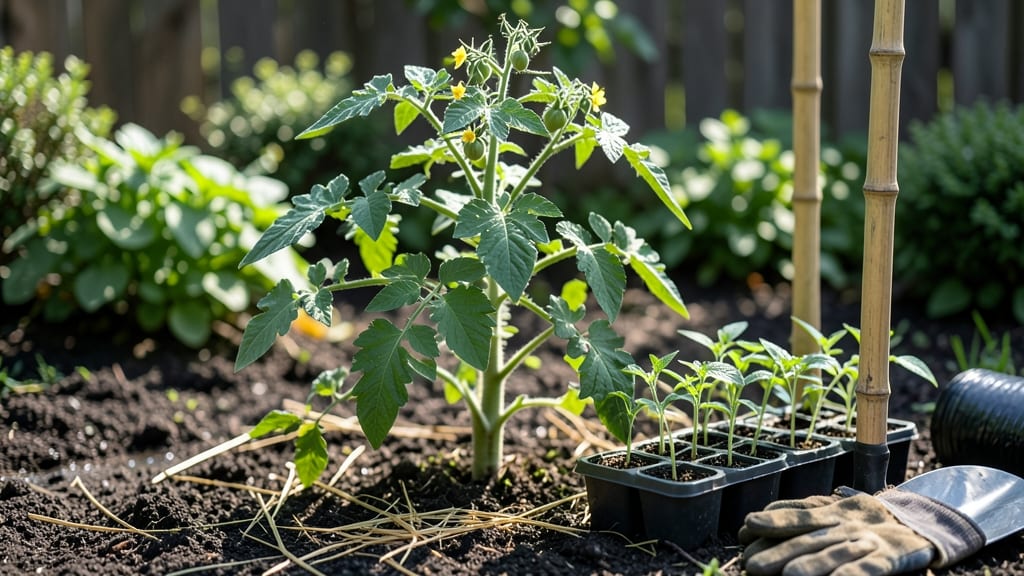
If you’ve ever dreamed of a homegrown 🍅 harvest stretching well into Louisiana’s fall, timing is everything—and the window for planting fall tomatoes is narrower than you think.
The difference between a thriving vine and a frost-nipped disappointment often comes down to knowing exactly when to plant in your specific heat zone.
Louisiana’s long summers can trick you into thinking tomatoes are a year-round crop, but the key to a successful fall harvest lies in starting between mid-August and early September. This timing lets your plants mature before the first frost hits, giving you 60-80 days of ideal growing conditions.
For zones 8a-9b, that means beating the clock before temperatures dip too low.
I’ve grown fall tomatoes in Louisiana for years, and the most important lesson I’ve learned? Soil temperature matters just as much as air temperature. Using black plastic mulch or row covers can shave weeks off your growing season, extending your harvest window.
Let me show you exactly how to time it right for your specific zone.
From variety selection to frost-proofing strategies, this guide covers everything you need to turn your fall garden into a tomato powerhouse. Ready to learn the secrets to a late-season bounty? Let’s get started.
Louisiana heat-Zone planting dates for fall tomatoes (2024 guide)
Timing is everything when planting fall tomatoes in Louisiana, where heat zones 9-11 create unique challenges. The key is planting 4-6 weeks before your first frost—typically mid-August to early September—to ensure a full harvest before cold sets in.
Louisiana’s humidity and lingering summer heat mean you’ll need to balance soil warmth with cooling trends.
Southern Louisiana (Zone 10-11) can push planting later—even into early October—while northern areas (Zone 9) should start by mid-August to avoid early frost. Always check your local frost date (usually mid-November to early December) and adjust accordingly.
I’ve grown fall tomatoes in both zones and found that soil temperature (ideal: 60-70°F) is just as critical as air temperature.
🌱
| Heat Zone | Planting Window | Soil Temp Goal | First Frost Risk | Harvest Window |
|---|---|---|---|---|
| Zone 9 (North LA) | Mid-August to late August | 60-70°F | Mid-November | October to early November |
| Zone 10 (Central LA) | Late August to early September | 60-75°F | Early December | October to late November |
| Zone 11 (South LA) | Early September to early October | 65-80°F | Mid-December | October to December |
For Zone 9 growers, I recommend starting seeds indoors in early August to transplant by mid-August. In Zones 10-11, you can often direct-sow later, but use black plastic mulch to maintain soil warmth.
My go-to varieties for fall include ‘Celebrity’ (disease-resistant) and ‘Solar Fire’ (cold-tolerant), both of which thrive in Louisiana’s humidity.
Don’t forget to harden off seedlings for 7-10 days before transplanting, especially if planting in late summer’s residual heat. I’ve seen seedlings struggle when moved directly from shade to full sun without acclimation.
Use drip irrigation to avoid wetting foliage, which reduces fungal diseases like early blight—a common issue in Louisiana’s damp fall air.
If you’re in Zone 9 and experience an early heatwave, delay planting until soil temps drop below 85°F. I once lost a batch of seedlings in Shreveport when I planted too early—soil temps hit 90°F and seeds rotted. Always check with a soil thermometer before planting.
For extended harvests, consider planting a mix of early-maturing (50-60 days) and mid-season (60-70 days) varieties. This staggered approach ensures fruit ripens over a longer period. In my Zone 10 garden, I plant ‘Mountain Merit’ (60 days) alongside ‘Better Boy’ (70 days) for a continuous supply.
🌿
One pro tip I’ve learned: use row covers in late October to protect plants from light frosts (28-32°F). These covers trap heat and can extend your harvest by 2-3 weeks.
I’ve used them successfully with ‘Cold Set’ tomatoes, which set fruit in cooler temps—ideal for Louisiana’s unpredictable fall weather.
Finally, prune suckers aggressively in fall to redirect energy to fruit production. I reduce pruning by 50% in late September to avoid stressing plants before harvest. Focus on removing only the largest suckers to keep plants manageable while maximizing yield.
☀️
How to extend your fall tomato season in Louisiana’s climate
Louisiana’s short growing season means every extra week counts when growing fall tomatoes. The key to extending your harvest lies in strategic planning—starting with soil warming and ending with frost protection.
I’ve found that combining black plastic mulch with row covers can push my harvest window back by 3-4 weeks, sometimes even into December in warmer zones.
Begin by preparing your soil 4-6 weeks before planting. Amend with compost to improve drainage and add a layer of black plastic mulch to raise soil temperatures by 10-15°F.
This simple trick helps seedlings establish faster and encourages earlier fruiting. For containers, use heat-retaining fabric pots or wrap them in bubble wrap to maintain warmth.
Another game-changer is choosing early-maturing varieties with 50-60 day harvest times. Varieties like ‘Early Girl’ or ‘Celebrity’ thrive in Louisiana’s fall climate and produce fruit before temperatures drop. Pair these with determinate types for compact growth, making them easier to protect from late-season chills.
- 1. Use black plastic mulch: Raises soil temps by 10-15°F, speeds germination, and suppresses weeds.
- 2. Plant cold-hardy varieties: Choose ‘Mountain Merit’ or ‘Solar Fire’ for 40-50°F tolerance.
- 3. Install row covers: Lightweight fabric extends harvest by 2-3 weeks and protects from light frosts (28°F).
- 4. Succession plant every 2 weeks: Stagger plantings to ensure continuous fruit production until frost.
- 5. Harvest green tomatoes: Ripen indoors with bananas or apples to extend your eating window.
Don’t overlook the power of succession planting. By staggering your plantings every 2 weeks from mid-August through early September, you create a rolling harvest. This ensures you always have mature fruit ready to pick while younger plants continue developing.
For example, plant ‘Patio’ tomatoes in containers near your patio—these compact varieties produce fruit even in cooler temps.
When frost threatens, act fast. Cover plants with frost cloth or old bedsheets secured with bricks or stakes. Remove covers during the day to prevent heat stress and water plants before sunset to insulate them overnight.
I’ve saved entire plants this way, allowing them to rebound and produce additional fruit once temperatures warm again.
Finally, embrace green tomato harvesting. If frost is imminent, pick unripe tomatoes and store them in a cool, dark place with a banana or apple to speed ripening. This technique has saved me weeks of harvest time and ensures I still enjoy homegrown tomatoes long after the first frost.