
Plants
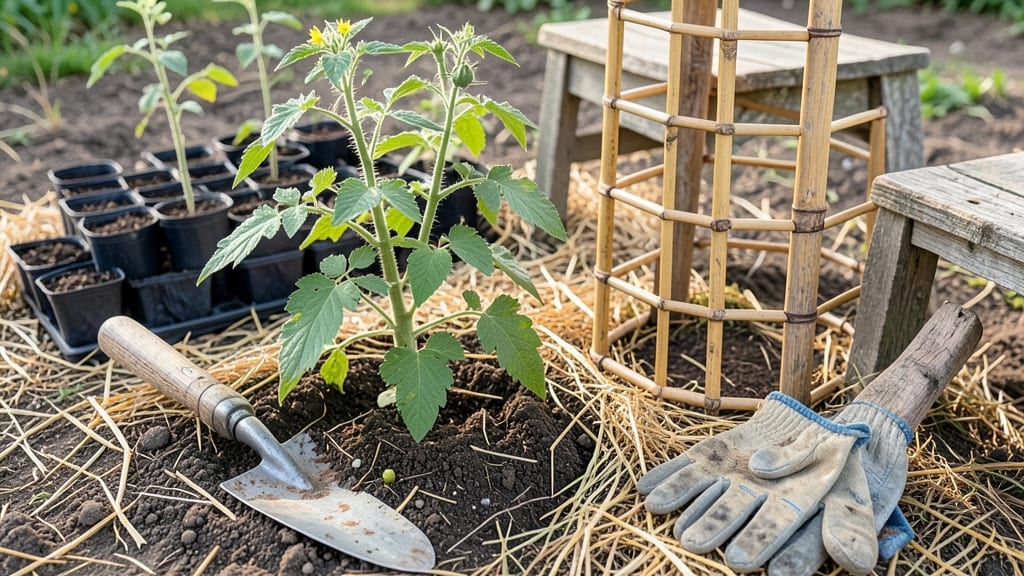
Got Texas-sized ambition to grow your own tomatoes but don’t know when should you plant tomatoes in Texas? Getting the timing wrong means frost-killed seedlings or wilting vines under summer’s scorching sun.
The good news? With Texas’s long growing season and heat-tolerant varieties, you can enjoy homegrown tomatoes from spring through fall—if you plant at the right moment.
North Texas gardeners have a tighter window than their Central or South Texas neighbors, but even a few weeks can make the difference between a thriving harvest and a sad, sunburnt plant.
I’ll break down the exact months to start seeds indoors, transplant seedlings, and even use succession planting to stretch your harvest longer than the grocery store ever could.
You’ll also discover which tomato varieties handle Texas’s brutal summers like champions—plus pro tips to beat humidity, pests, and unpredictable weather.
Whether you’re a first-time gardener or a seasoned pro, these regional strategies will help you grow tomatoes that taste better than any store-bought (and cost a fraction of the price).
Ready to turn your backyard into a tomato powerhouse? Let’s dive into the perfect planting schedule for your corner of Texas—and keep those vines producing all season long.
Best planting months for tomatoes in Texas by region (north vs. Central vs. south)
Texas spans three distinct climate zones, each with its own last frost dates and heat tolerance thresholds. Getting your tomato planting timeline right means avoiding frost damage in the north and heat stress in the south.
Let’s break down the best months to plant by region so you can maximize your harvest.
For North Texas (USDA Zones 7b-8a), the last frost date typically falls around March 15. This means you should wait until late February to early March to plant tomatoes outdoors.
If you’re using transplants, start them indoors in January to give them a head start before the last frost.
In Central Texas (USDA Zones 8a-8b), the last frost date is earlier, around February 15. You can plant tomatoes outdoors as early as February or even late January in warmer microclimates. This region offers a longer growing season, making it ideal for both spring and fall plantings.
South Texas (USDA Zones 9a-10b) has the longest growing season, with last frost dates as early as January 15. Here, you can plant tomatoes as early as January and even extend your harvest into fall by planting again in August or September. The key is choosing heat-tolerant varieties that won’t bolt in the summer heat.
| Region | Last Frost Date | Best Planting Window | Soil Temp Requirement | Notes |
|---|---|---|---|---|
| North Texas | March 15 | Late February - Early March | 60°F+ | Use black plastic mulch to warm soil faster. |
| Central Texas | February 15 | February - Early April | 60°F+ | Ideal for both spring and fall plantings. |
| South Texas | January 15 | January - March (and August-September for fall) | 65°F+ | Choose heat-tolerant varieties like 'Solar Fire'. |
If you’re planting transplants, start them indoors 6-8 weeks before your region’s last frost date. For North Texas, this means starting indoors in January. In Central and South Texas, you can start transplants as late as February or March and still get a good harvest.
For direct sowing, wait until the soil temperature reaches at least 60°F. Use a soil thermometer to check—tomato seeds won’t germinate well in cooler soil. In North Texas, this usually aligns with late March, while South Texas gardeners can direct sow as early as February.
Texas’s long growing season also allows for succession planting. After your first harvest in June or July, pull up spent plants and replant with heat-tolerant varieties for a fall crop.
This works especially well in Central and South Texas, where summer heat can be brutal but fall brings cooler temperatures.
One critical tip: Monitor your local microclimate. Urban areas like Austin or Dallas can be 5-10°F warmer than rural areas, allowing for earlier plantings. Use a frost calendar specific to your ZIP code for the most accurate timing.
Finally, don’t forget about fall plantings. In North Texas, you can plant heat-tolerant varieties as late as July for a fall harvest. In South Texas, extend your season even further with August or September plantings.
The key is choosing varieties that can handle the heat and still produce before the first frost.
With these regional guidelines, you’ll avoid the common mistakes of planting too early (and losing seedlings to frost) or too late (and watching your plants struggle in the heat). Get your timing right, and you’ll be rewarded with a bountiful tomato harvest all season long. 🌱
Best planting months for tomatoes in Texas by region (north vs. Central vs. south)
Texas' diverse climate zones mean planting tomatoes in North Texas differs dramatically from South Texas. The key is aligning your schedule with last frost dates and soil temperature thresholds—tomatoes need soil at 60°F+ to thrive. Let's break it down by region so you can plant with confidence.
In North Texas (USDA Zones 7b-8a), where winters linger longer, your last frost date typically falls around March 15. This means you should start seeds indoors 6-8 weeks before that date—or January 15-February 1—and transplant seedlings outdoors after March 15.
For cooler microclimates, consider black plastic mulch to warm soil faster.
Central Texas (Zones 8a-8b) offers a longer growing season, with last frosts around February 15. Here, you can plant seeds directly outdoors February 1-March 15 or start them indoors January 1-February 1 for earlier harvests. The heat arrives fast, so choose heat-tolerant varieties like 'Solar Fire' to avoid blossom drop.
South Texas (Zones 9a-10b) is the most forgiving, with last frosts as early as January 15. You can plant seeds outdoors January-March and even squeeze in a fall crop (August-September) for late-season tomatoes. The real challenge here is humidity and pests, not frost.
🌱 Texas Tomato Planting Timeline by Region
| Region | Last Frost Date | Ideal Planting Window | Soil Temp Requirement | Key Challenge |
|---|---|---|---|---|
| North Texas | March 15 | Feb 15 - Mar 15 | 60°F+ | Late frosts |
| Central Texas | Feb 15 | Jan 15 - Apr 1 | 60°F+ | Blossom drop in heat |
| South Texas | Jan 15 | Jan 1 - Mar 15 | 65°F+ | Humidity & pests |
🌡️ Pro Tip: Use a soil thermometer to confirm 60°F+ before planting—cold soil delays germination.
For fall planting, aim for August-September in North/Central Texas and September-October in South Texas. Seedlings need 60 days to mature before first frost, so calculate backward from your region's average frost date. In South Texas, you might even harvest Christmas tomatoes!
Remember: Succession planting every 2 weeks ensures a continuous harvest. In North Texas, stagger plantings from March to June; in South Texas, January to April works best. This strategy keeps your table stocked with tomatoes June through October—or longer with the right varieties.
One final tip: Monitor weather forecasts in late winter. A late frost warning means covering young plants with row covers or frost cloth until danger passes. With these regional guidelines, you'll avoid the two biggest tomato-growing mistakes in Texas: planting too early (frost risk) or too late (heat stress).