
Plants
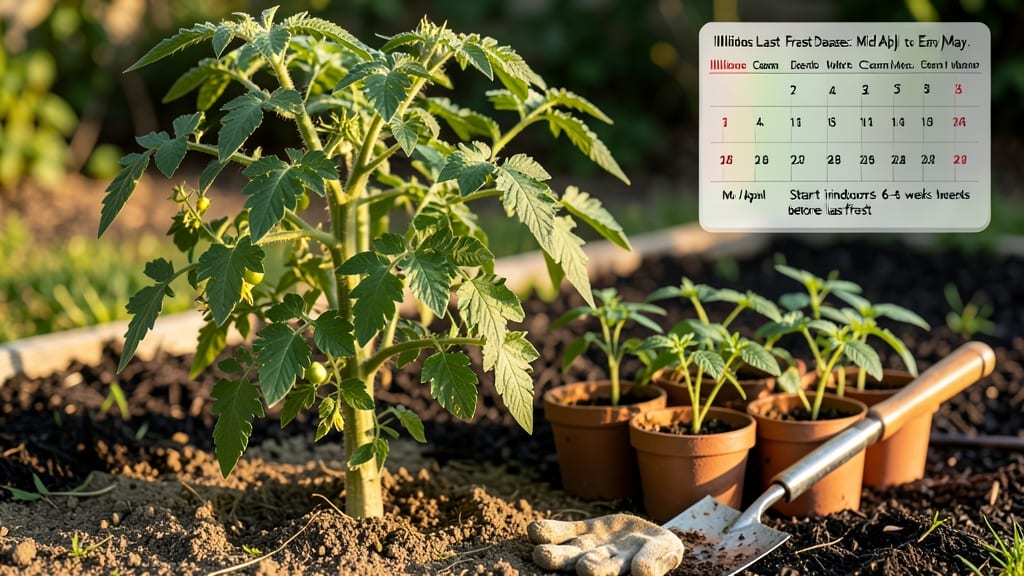
Planting your 🍅 tomatoes at the wrong time in Illinois can turn your garden dreams into a sad, frost-kissed disappointment—but getting the timing right means juicy, vine-ripened rewards by summer. With USDA zones 5-6 bringing unpredictable spring frosts, knowing exactly when to plant is the key to a thriving harvest.
Most Illinois gardeners wait until after the last frost date, typically around mid-April in the south and early May in the north—but soil temperature matters just as much as calendar dates.
We’ll break down the perfect window for both starting seeds indoors and transplanting seedlings, so you can avoid common mistakes that ruin tomato crops.
Whether you’re a first-time gardener or a seasoned green thumb, this guide will help you navigate Illinois’ variable climate. You’ll learn how to time your plantings for maximum yield, adjust for early or late seasons, and even extend your harvest into fall.
Let’s dive into the frost-date secrets that’ll have your tomatoes flourishing from July through October—no guesswork required.
Illinois tomato planting dates by hardiness Zone (USDA 5a-6b)
Getting your tomato planting right in Illinois means knowing your USDA zone and local last frost dates. Northern Illinois (Zone 5a) has later springs, while southern Illinois (Zone 6b) enjoys earlier planting.
The key is waiting until soil warms to 60°F (15°C) and nighttime temps stay above 50°F (10°C)—this prevents cold damage and ensures strong root growth.
For most Illinois gardeners, the ideal transplant window falls between mid-April and mid-June, depending on your zone. Starting seeds indoors 6-8 weeks before your last frost date gives you a head start.
If you're buying seedlings, wait until after the average last frost date (typically April 15 in northern areas, March 30 in southern Illinois).
Here’s how to adjust your timing based on your zone and whether you’re starting seeds or transplanting:
| Zone | Last Frost Date (Avg.) | Start Seeds Indoors | Transplant Seedlings | Harvest Window |
|---|---|---|---|---|
| 5a (Northern IL) | April 15 - May 1 | March 1 - March 15 | May 1 - May 15 | July 15 - October 1 |
| 5b (Central IL) | April 1 - April 15 | February 25 - March 10 | April 15 - April 30 | June 20 - October 10 |
| 6a (Southern IL) | March 15 - March 30 | February 1 - February 15 | April 1 - April 15 | June 1 - October 15 |
| 6b (Extreme Southern IL) | March 1 - March 15 | January 25 - February 10 | March 15 - March 31 | May 15 - November 1 |
If you’re unsure about your last frost date, check the National Weather Service or local Cooperative Extension Service for your county. For example, Chicago (Zone 5b) typically sees its last frost around April 10, while St. Louis (Zone 6a) averages March 25.
Planting too early risks frost damage, while waiting too long shortens your harvest season.
For container gardening, you can push planting dates slightly later since pots warm up faster. However, always harden off seedlings for 7-10 days before transplanting to avoid shock. Use row covers or cold frames to extend your season if early frosts threaten.
Pro tip: Use a soil thermometer to confirm soil temps are above 60°F before planting. Cool soil slows germination and weakens seedlings. If your soil is still chilly, try black plastic mulch to accelerate warming by 5-10°F.
Remember, Illinois summers are short—about 165 frost-free days in most areas. This means you’ll need to choose fast-maturing varieties (like Early Girl or Stupice) if you’re in Zone 5a. In warmer Zone 6b, you can afford slightly slower varieties like Brandywine or Cherokee Purple.
Finally, keep an eye on your local weather forecast in the weeks leading up to planting. A late frost can wipe out young plants, so have a backup plan like row covers or a greenhouse ready. With the right timing, you’ll be enjoying homegrown tomatoes from July through October!
How to adjust planting time for early/summer tomatoes in Illinois
Illinois’ short growing season means you can’t afford to wait for perfect conditions—so I’ve mastered a few tricks to stretch your tomato harvest. For early tomatoes, start seeds indoors 8-10 weeks before your last frost date (typically mid-February for southern Illinois, early March for northern areas).
Use grow lights to ensure strong seedlings, and transplant them outdoors 2-3 weeks after your last frost when soil hits 60°F (15°C).
If you’re aiming for summer tomatoes, wait until late May or early June to plant. This gives you a second crop after early varieties have finished. Choose heat-tolerant varieties like ‘Heatmaster’ or ‘Solar Fire’—they thrive when temps climb above 85°F (29°C), while traditional varieties may struggle.
For fall tomatoes, try succession planting: sow a final batch in early July for harvests before frost. Use black plastic mulch to keep soil warm and extend the season by 2-3 weeks.
Just remember—stop planting 6 weeks before your first frost (usually mid-September in northern Illinois) to let tomatoes mature.
🌱 Pro Tip: Plant cold-hardy varieties like ‘Stupice’ or ‘Glacier’ in late April if you’re desperate for an early start. They survive light frosts (28°F/-2°C) and give you a head start on the season.
- ✅ Use row covers to protect seedlings from late frosts (remove when flowers appear).
- ✅ Plant in raised beds—warmer soil speeds up germination by 1-2 weeks.
- ✅ Choose early-maturing varieties (60-70 days to harvest) like ‘Early Girl’ or ‘Patio.’
- ✅ Mulch with straw to retain moisture and regulate soil temperature.
- ✅ Prune suckers in summer to focus energy on fruit, not foliage.
Don’t forget: Soil temperature matters more than air temperature. Use a soil thermometer to confirm it’s warm enough—cold soil delays germination. If your soil is still chilly, try warm-starting seeds in a heated propagator or on top of your fridge (not inside!).
For container gardening, plant tomatoes in 5-gallon pots and place them near a south-facing wall to absorb heat. Move pots to shaded areas during peak summer heat (above 90°F/32°C) to prevent sunscald.
🌞 Final Tip: Keep a gardening journal to track your planting dates, varieties, and yields. Over time, you’ll spot patterns in your local microclimate—maybe your tomatoes thrive when planted 2 weeks later than the average frost date! Adjust accordingly for future seasons.