
Plants
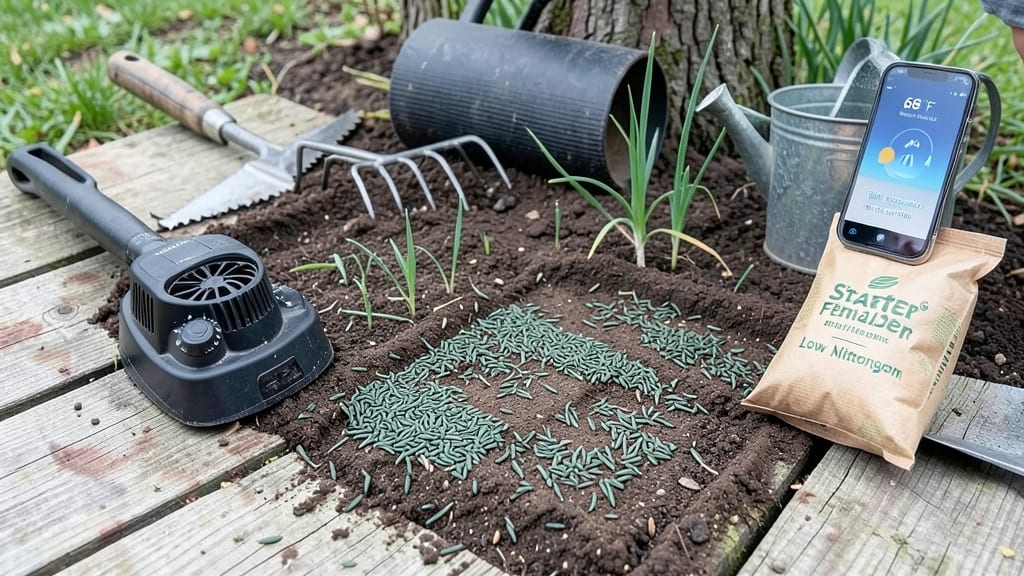
Timing your grass seed planting perfectly in Illinois can mean the difference between a thick, vibrant lawn and months of frustration. The best time to plant grass seed in Illinois hinges on soil temperatures, frost dates, and whether you're planting in early spring or fall—each with its own ideal window.
With Illinois' USDA zones 5-6 and unpredictable weather, getting it wrong could leave your 🌱 seeds struggling or even failing to germinate.
But don’t worry—I’ll break down the exact conditions you need to watch for, so you can plant with confidence and avoid common mistakes that trip up even experienced gardeners.
Whether you're prepping for spring’s first frost-free days or planning your fall planting schedule, understanding soil temps (aim for 50-65°F) and regional differences is key. Let’s dive into the science behind Illinois’ planting windows and how to set your lawn up for success from day one.
You’ll learn how to time your planting for maximum germination, choose the right seed for your climate, and keep your new grass thriving through the first critical months. Ready to transform your yard into the envy of the neighborhood? Let’s get started.
Optimal Illinois grass planting times by soil temperature & microclimate
Timing your grass seed planting in Illinois depends on two critical factors: soil temperature and frost-free windows. Most Illinois gardeners achieve the best results by planting either in early spring or early fall, when soil temps hover between 50-65°F.
This range ensures strong germination without stressing young seedlings.
Illinois spans USDA zones 5-6, meaning northern areas (like Chicago) have shorter growing seasons than southern regions (like St. Louis). For example, northern Illinois typically sees its last frost around mid-April, while southern Illinois may see frost as late as early May.
Adjust your planting schedule accordingly to avoid frost damage.
Here’s the key rule: Plant grass seed 4-6 weeks before the first frost in fall or 4-6 weeks after the last frost in spring. This timing gives seedlings enough time to establish roots before extreme heat or cold sets in.
For Illinois, that usually means targeting March-April for spring or September-October for fall.
If you’re unsure about your local frost dates, check the National Weather Service or your county extension office. They provide hyper-localized frost predictions that can save you from costly mistakes.
For instance, planting in late May might work in southern Illinois but risks failure in northern areas due to sudden heatwaves.
Another critical factor is soil temperature. Grass seed germinates best when soil is at least 50°F (10°C). Use a soil thermometer to check—if temps are below this threshold, wait.
In Illinois, soil warms up gradually in spring, so patience pays off. For fall planting, aim for soil temps between 50-65°F before the first frost hits.
For cool-season grasses (like Kentucky Bluegrass or Tall Fescue, which thrive in Illinois), fall planting is often superior. These grasses establish roots in cooler weather, resulting in a thicker, more resilient lawn by next spring.
Warm-season grasses (like Bermuda or Zoysia) are less common in Illinois but prefer late spring planting once soil temps exceed 65°F.
Regional microclimates also play a role. Urban areas like Chicago may experience earlier springs due to the "urban heat island" effect, while rural areas might have cooler, wetter springs. Observe your local conditions for at least a few years to refine your planting schedule.
For example, if your lawn stays soggy into May, delay planting until the soil dries out.
One common mistake is rushing to plant in early spring when soil is still cold. Seedlings may sprout but then wither under late frosts. Conversely, planting in late summer risks stressing grass as temperatures soar. Stick to the 4-6 week window rule for consistent success.
To visualize the best planting windows for Illinois, use this comparison table to align your schedule with soil conditions and frost dates:
| Planting Window | Soil Temp Requirement | Frost-Free Period | Best Grass Types | Illinois Regions |
|---|---|---|---|---|
| Early Spring (March-April) | 50-65°F | After last frost (mid-April) | Kentucky Bluegrass, Tall Fescue | North & South |
| Late Spring (May) | 60-70°F | Risk of late frosts | Bermuda (southern IL only) | Southern IL |
| Early Fall (September-October) | 50-65°F | 4-6 weeks before first frost | All cool-season grasses | North & South |
| Late Fall (November) | Below 50°F | Too cold for germination | Avoid | All regions |
For northern Illinois, prioritize fall planting (September) to capitalize on cooler temps and consistent rainfall. In southern Illinois, you can extend spring planting into early May if you’re using warm-season grasses.
Always test your soil temperature before planting—this simple step can mean the difference between a thriving lawn and a failed patch.
Pro tip: If you miss the ideal window, don’t despair. You can still plant in late spring (May) or early summer (June), but expect slower establishment. Just increase watering frequency and use a light mulch to retain moisture.
The key is consistency—whether you plant in spring or fall, soil temperature and frost dates are your best friends.
Optimal Illinois grass planting times by soil temperature & microclimate
Illinois gardeners face a critical decision: spring or fall planting?
Both seasons offer prime windows, but soil temperatures and frost dates dictate success. Cool-season grasses (like Kentucky bluegrass and tall fescue) thrive when soil reaches 50-65°F, making early spring (after last frost) and early fall (before first frost) ideal.
The last spring frost typically hits mid-April in most of Illinois, while the first fall frost arrives around mid-October. Planting 4-6 weeks before or after these dates ensures seeds germinate in stable conditions without frost damage. Northern Illinois (USDA Zone 5) has shorter windows than southern regions (Zone 6).
Here’s how to match your planting timeline to Illinois’ microclimates:
| Season | Best Months | Soil Temp | USDA Zone 5 (North) | USDA Zone 6 (South) |
|---|---|---|---|---|
| Early Spring | March–April | 50–60°F | After April 15 | After April 1 |
| Early Fall | September–October | 55–65°F | Before Sept 15 | Before Oct 1 |
Spring planting in Illinois requires patience—seeds may face late frosts or drought stress in May. Fall planting, however, allows seeds to establish roots before winter dormancy. Southern Illinois can extend fall planting into early November, while northern areas should finish by late September to avoid frost.
Pro tip: Use a soil thermometer to confirm temps before planting. Northern Illinois often needs to wait until late April, while southern Illinois can start as early as mid-March. Adjust for your specific county’s frost data—check the Midwest Regional Climate Center for local trends.
Timing isn’t just about frost—weed competition and moisture availability also play roles. Fall planting often yields better results because weeds are less aggressive, and cooler temps reduce water evaporation. For spring planting, prioritize shade cloth if late frosts are forecasted.
Ready to plant? Mark your calendar for April 15 (North) or March 20 (South) for spring, or September 1 (North) or October 1 (South) for fall. With the right timing, your Illinois lawn will germinate in 2-4 weeks and thrive for years.