
Plants
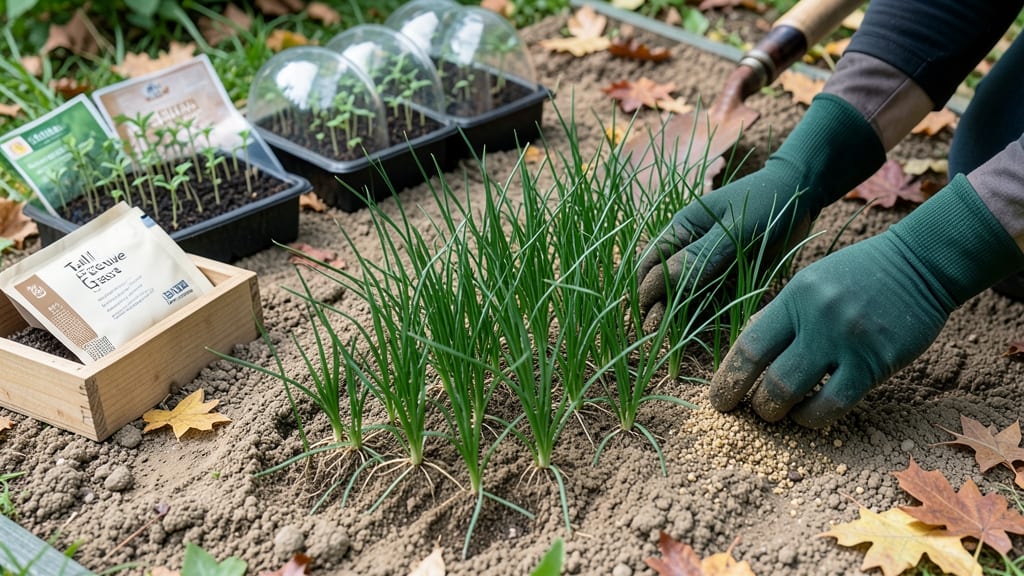
Planting grass seed in the fall is your best shot at a thick, green lawn by spring—but timing is everything. Too early, and frost will nip your progress; too late, and winter’s chill slows growth.
For USDA Zone 6 (like most of the Midwest), the sweet spot is late summer to early fall, when soil temps hover between 50–65°F.
Why does this matter? Fall’s cooler air and consistent rainfall create perfect conditions for 🌱 Grass (Turfgrass) roots to establish before winter dormancy. Skip this window, and you’ll battle weeds or sparse patches next season.
I’ll break down the exact deadlines for your region, soil prep secrets, and how to tell if you’ve planted at the right time.
Let’s start with the critical deadlines—because missing them means waiting another year for that dream lawn. Whether you’re in the North or South, knowing when to plant (and when to hold off) is the difference between success and frustration.
Ready to avoid common mistakes? I’ll show you how to check soil temps, pick the right grass seed for your zone, and keep your new turf thriving through winter. No guesswork—just a foolproof plan for a lawn you’ll actually enjoy.
Fall grass seed planting deadlines by u.s. climate zones
Timing your fall grass seed planting correctly means the difference between a lush lawn by spring and wasted effort. The key is planting 4-6 weeks before your first frost when soil temps hover between 50–65°F.
In cooler northern zones, this window narrows to mid-August to early September, while southern regions can extend planting until late October or November.
Your USDA hardiness zone dictates your deadline. For example, Zone 3 (think Minnesota) demands planting by mid-August, while Zone 8 (Florida) allows planting until early November. Missing this window means seeds either rot in cold soil or struggle to establish before winter dormancy.
Cool-season grasses like turf-type tall fescue and Kentucky bluegrass thrive when planted in fall because cooler temps reduce weed competition and disease pressure. Warm-season grasses (like Bermuda) don’t fare well in fall—stick to cool-season varieties for autumn planting.
Regional variations matter too. In the Pacific Northwest, aim for late August to mid-September planting, while the Midwest should finish by mid-October. Check your local cooperative extension service for precise frost dates—don’t guess!
| Zone | Ideal Planting Window | Soil Temp Range | Key Varieties |
|---|---|---|---|
| 3-4 (Cold) | Mid-August to early Sept | 50–55°F | Tall fescue, fine fescue |
| 5-6 (Temperate) | Late Aug to mid-Oct | 55–60°F | Kentucky bluegrass, perennial ryegrass |
| 7-8 (Warm) | Sept to early Nov | 60–65°F | Tall fescue, Bermuda (late) |
| 9-10 (Hot) | Oct to Dec | 65–70°F | St. Augustine, Zoysia |
📍 Find your zone via USDA Plant Hardiness Map
Pro tip: If your area experiences unpredictable frosts, err on the earlier side. Grass seeds need 4–6 weeks to establish roots before winter dormancy. For example, in Zone 5, planting in early September gives seeds time to germinate before a mid-October frost.
Don’t overlook rainfall patterns either. Regions with dry falls (like parts of the Southwest) may need supplemental irrigation to keep seeds moist during germination. Aim for 1 inch of water per week until germination occurs.
One common mistake? Planting too late and hoping for a mild winter. Even if temps stay above freezing, shorter daylight hours slow growth. Seeds planted in November in Zone 6 often fail to establish before winter sets in.
For best results, combine your planting date with soil prep (aeration, compost amendment) and a light fertilizer application (like 10-10-10) to give new grass a nutrient boost. This combo ensures your lawn has a head start before spring.
Finally, mark your calendar with your local first frost date—then count backward 6 weeks. That’s your last day to plant. Miss it, and you’ll be playing catch-up next spring with bare patches and weed invasions.
How to check soil temperature before planting grass seed
Planting grass seed in the fall hinges on one critical factor: soil temperature. If it’s too warm, seeds may sprout too quickly and struggle before winter; too cool, and germination stalls.
The ideal range for cool-season grasses is 50–65°F—but how do you know when your soil hits that sweet spot?
Most gardeners skip this step and end up with patchy lawns. I’ve made this mistake twice—don’t let it happen to you. Testing soil temp takes just 10 minutes and could save you months of frustration.
Here’s how to do it right, plus what to do if your soil is still too hot or cold.
⚠️ CAUTION: Planting when soil temps exceed 65°F risks dormancy or fungal diseases. Waiting until temps drop below 50°F delays root growth. Use this guide to avoid both pitfalls.
⚠️ Common Mistake: Planting Too Early
Soil temps above 65°F trick grass seeds into dormancy—they’ll just sit there waiting for cooler weather. I planted Kentucky bluegrass in early September once, and nothing sprouted until spring. The seeds were wasted.
✅ Fix: Wait until soil cools to 60°F or below for reliable germination.
To check your soil temperature, grab a digital soil thermometer (they’re cheap—under $10) or use a manual glass thermometer buried in the ground. Push the probe 2 inches deep (where seeds will be) and wait 5 minutes for an accurate reading.
Early morning is best—soil temps fluctuate wildly throughout the day.
If your soil is still too warm (above 65°F), hold off planting. Instead, water deeply to cool the soil faster. Mulch with straw (not grass clippings) to insulate and retain moisture.
Check temps weekly—once you hit that 50–65°F window, act fast. Seeds need 4–6 weeks to establish roots before winter.
Pro tip: Northern climates (Zones 3–5) can plant as late as mid-October if soil temps stay above 50°F. Southern zones (6–8) should plant by early October to avoid winter dormancy. Always check your local first frost date—plant 4–6 weeks before it hits.
Once you’ve nailed the timing, seed depth matters. Plant no deeper than ¼ inch—any deeper, and seeds won’t get enough oxygen to sprout. Lightly rake the soil smooth after sowing, then roll with a lawn roller to ensure seed-to-soil contact.
Water gently but thoroughly—keep the soil moist (not soggy) for the first 2 weeks.