
Plants
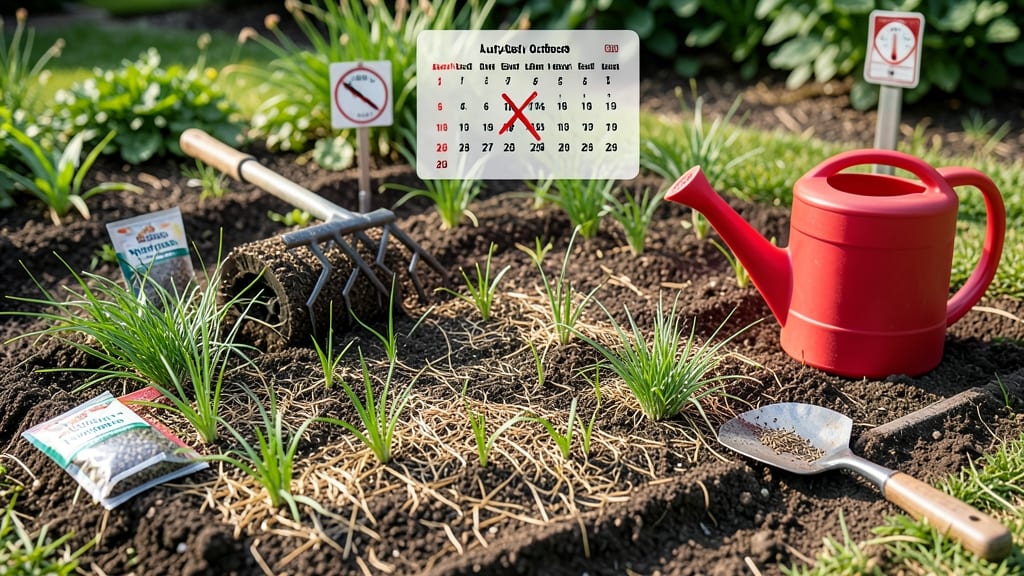
If you've ever stared at your patchy lawn in late fall and wondered, "When is it too late to plant grass seed in Michigan?"—the answer isn't as simple as a yes or no. The perfect window for planting 🌱 closes faster than you think, especially in zones 5b-6b, where early frosts can turn your seed into a sad, frozen memory.
Most Michigan gardeners assume they have until Halloween to drop seed, but that’s a risky bet. The real deadline depends on soil temperature, frost forecasts, and even your grass type—cool-season varieties like Kentucky Bluegrass need 4-6 weeks to establish roots before winter hits.
Miss that mark, and you’re left with bare spots come spring.
Here’s the good news: with the right prep—like warming up cold soil or choosing cold-hardy seed—you can push the envelope. I’ll break down the exact cutoff dates for your region, plus pro tips to salvage late plantings without breaking the bank or your back.
Whether you’re a first-time lawn starter or a veteran gardener, knowing these zone-specific rules could mean the difference between a lush carpet of grass and a sparse, patchy disaster. Let’s get your timing right so you don’t end up pulling weeds next summer.
Michigan’s fall grass-seeding deadlines by hardiness zone (54-60)
Michigan’s hardiness zones (54-60) create big differences in when you can safely plant grass seed. In the Upper Peninsula, where zone 54 dominates, your window closes earlier than in zone 59-60 areas like Detroit or Grand Rapids.
The key factor? Soil temperature must stay above 40°F (4°C) for germination, while nighttime temps should avoid dipping below 32°F (0°C) before seeds sprout.
For most of Michigan, the ideal fall planting window runs from mid-August to mid-October. But pushing too late risks frost damage or seeds lying dormant until spring—when weeds often outcompete them. Let’s break down your zone-specific deadlines and how to adjust for early frosts.
🌱
| Zone | Last Safe Planting Date | Soil Temp Threshold | Key Risk |
|---|---|---|---|
| 54 (Upper Peninsula) | Early to mid-September | 40-45°F (4-7°C) | Early frosts (late Sept) |
| 55-56 (Northern Lower) | Mid-September | 45-50°F (7-10°C) | Frost by Oct 15 |
| 57-58 (Central) | Late September | 50-55°F (10-13°C) | Frost by Oct 25 |
| 59-60 (Southern) | Early October | 55-60°F (13-16°C) | Frost by Nov 5 |
Note: Adjust 1-2 weeks earlier if your area has early frost history.
Use a soil thermometer to confirm temperatures—seeds need consistent warmth to germinate. In zone 54, for example, if your soil drops below 40°F (4°C) before seeds sprout, they’ll stall until spring.
For zones 59-60, you might squeeze in a late planting until early October, but monitor nighttime lows closely.
Pro tip: Check Michigan State University’s frost date maps for your county. Their data shows that Detroit’s average first frost is October 20, while Marquette’s arrives by September 25. Planting after these dates risks seed dormancy or winter kill.
For cool-season grasses like Kentucky Bluegrass or Tall Fescue (Michigan’s top choices), aim to finish planting 4-6 weeks before frost. This gives roots time to establish before winter. If you’re in zone 54 and plant after September 1, cover seeds with straw mulch to insulate them.
🌿
Even if you miss the ideal window, don’t panic. Overseeding in early spring (March-April) can still yield great results. But for fall plantings, the 6-week rule before frost is your best guide. Use this table as your zone-specific
5 Signs you’ve missed the grass-seeding window in Michigan
If you’re still planting grass seed in Michigan after early October, you might be pushing your luck. Cold soil and frost risks can stall germination, leaving you with patchy lawns. Here are the 5 key signs your timing is too late—and what to do next.
First, check your soil temperature. If it’s below 40°F (4°C), seeds won’t sprout. Use a soil thermometer to test—if it’s freezing at night, germination is nearly impossible. Nighttime temps below 32°F (0°C) signal it’s time to stop planting.
No sprouts in 21 days? That’s a red flag. Cool-season grasses like Kentucky Bluegrass or Tall Fescue should show signs of growth within 3 weeks. If nothing emerges, frost likely killed the seeds before they could root.
⚠️ Warning: Late-Season Risks
- Frost damage: Seeds exposed to frost won’t germinate—they’ll rot instead.
- Dormant soil: Cold ground blocks root growth, leaving seeds stranded.
- Pest threats: Late plantings attract voles and birds that eat seeds.
🌱 Action: If you’ve planted late, mulch lightly with straw to insulate seeds and check for sprouts in spring.
Another clue? Hard, frozen ground that resists a screwdriver. If you can’t push a trowel 2 inches deep without resistance, your soil is too cold. Even if seeds sprout, they’ll struggle to establish roots before winter.
Finally, listen to your local weather forecasts. A 10-day outlook predicting consistent sub-40°F nights means it’s too late. Michigan’s Zone 5-6 regions (like Detroit or Grand Rapids) have earlier frost dates than the Upper Peninsula—adjust your timeline accordingly.
If you’ve missed the window, don’t panic. Overseeding in spring (March-April) is your best bet. For now, test soil pH, add compost, and mark your calendar for next year’s ideal planting window: late August to early September.