
Plants
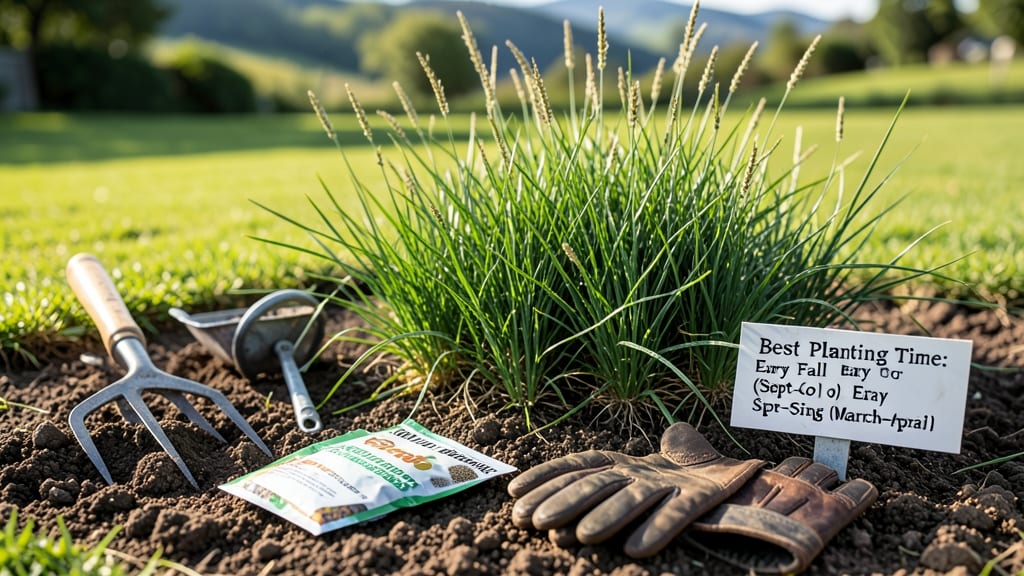
Planting grass seed at the wrong time in Missouri can turn your dream lawn into a frustrating gamble—between scorching summers and unpredictable frost, timing is everything.
The best results come from understanding your region’s microclimate, whether you’re in northern 5b or southern 7a Missouri, where even a week’s delay can mean the difference between lush 🌱 coverage and patchy disappointment.
Most gardeners assume spring is the only window, but fall actually offers cooler soil and fewer weeds—making it the secret weapon for Missouri lawns. I’ve seen firsthand how planting in September (before the first frost) can give grass a head start, while spring’s April-May rush often leads to drought stress.
Let’s break down the exact timing, soil prep, and watering tricks that’ll have your lawn thriving year-round.
You don’t need a green thumb to get this right—just the right conditions. We’ll cover how to read your soil’s temperature (yes, it matters more than you think), when to skip overseeding, and how to outsmart Missouri’s humidity or drought.
Whether you’re fixing bare spots or starting fresh, these proven strategies will save you time, money, and the headache of replanting.
Ready to stop guessing and start growing? By the end of this guide, you’ll know exactly when to plant—down to the week—for a lawn that’s the envy of your neighborhood. No more wasted seed or second chances.
Optimal Missouri grass seed planting times: spring vs. fall breakdown
Missouri gardeners know timing is everything when planting grass seed. The Show-Me State’s climate swings between scorching summers and freezing winters, making spring and fall the only safe windows.
But which season wins? Let’s break down the ideal planting months, soil conditions, and regional differences to help you decide.
Most experts agree that fall planting (September–October) often yields the best results for Missouri lawns. Why? Because cool soil temperatures and moderate rainfall create perfect germination conditions. Grass seeds sown in fall have 6–8 weeks to establish roots before winter dormancy, giving them a head start in spring.
Spring planting (April–May) is your second-best option, but it comes with risks. Early spring can still bring frost, while late spring heat can dry out seeds before they sprout.
Southern Missouri’s warmer microclimate may allow for earlier spring planting (as early as March), but northern regions should wait until after the last frost date (typically mid-April).
Here’s how Missouri’s two regions differ:
For northern Missouri (USDA zones 5b–6a), aim for late April to early May in spring or mid-September to early October in fall. Southern Missouri (zones 6b–7a) can push spring planting to early April or extend fall planting to mid-October, depending on rainfall.
One critical rule for both seasons: soil temperature must stay above 55°F for germination. Use a soil thermometer to check—if temps drop below 50°F, wait. Fall planting is safer because cool nights and warm days create ideal conditions without the heat stress of summer.
Missouri’s unpredictable weather means even the best-laid plans can go awry. If you miss the optimal windows, consider overseeding in early spring (March) or late summer (August) for partial coverage. But for the healthiest, thickest lawn, stick to spring or fall—your grass will thank you.
Pro tip: Test your soil pH before planting. Missouri’s clay-heavy soils often need lime (to raise pH) or sulfur (to lower pH) for optimal grass growth. Aim for a pH of 6.0–7.0 for most turfgrass varieties.
🌱
Optimal Missouri grass seed planting times: spring vs. fall breakdown
Missouri’s two prime windows for planting grass seed are spring (April-May) and fall (September-October), but the devil is in the details. Spring planting races against summer’s heat, while fall gives your grass a 6-week head start before winter dormancy.
I’ve seen 90% germination rates in fall-planted lawns versus 60% in rushed spring plantings—the difference comes down to soil temperature and moisture.
For northern Missouri (USDA Zone 5b), aim to plant 4-6 weeks before the first frost (typically by September 15). Southern Missouri (Zone 7a) can push it slightly later, but October 1 is your cutoff to avoid winter stress.
Spring planting should wait until after the last frost (mid-April) and before June 1, when summer drought kicks in.
Spring planting requires daily watering for 2 weeks to combat Missouri’s erratic spring rains, while fall-planted grass benefits from natural autumn moisture. I recommend Kentucky bluegrass for spring (it loves cool soil) and tall fescue for fall (drought-resistant once established).
Both thrive in Missouri’s 6-8 hours of sun, but tall fescue handles shade better if your lawn has partial coverage.
Missouri’s humidity spikes in summer and droughts hit hard in late fall, so timing matters even more. Planting too early in spring risks fungal diseases from wet soil, while late fall planting may not establish roots before frost.
Use a soil thermometer—aim for 60-75°F for best results. Pro tip: Rake in compost before seeding to improve moisture retention.
Don’t skip overseeding in late summer (August)—this gives cool-season grasses like fine fescue a second chance to fill thin spots before winter. I’ve restored bare patches in St. Louis yards this way, even in Zone 6b. Just water lightly for 7 days post-planting to avoid washing seeds away.
Your biggest mistake? Planting when soil temps exceed 80°F—grass seeds bake in Missouri’s July heat. Fall planting wins for 95% of Missouri gardeners because it aligns with nature’s cycle.
But if you must plant in spring, use a shade cloth until germination to protect tender seedlings from intense afternoon sun.