
Plants
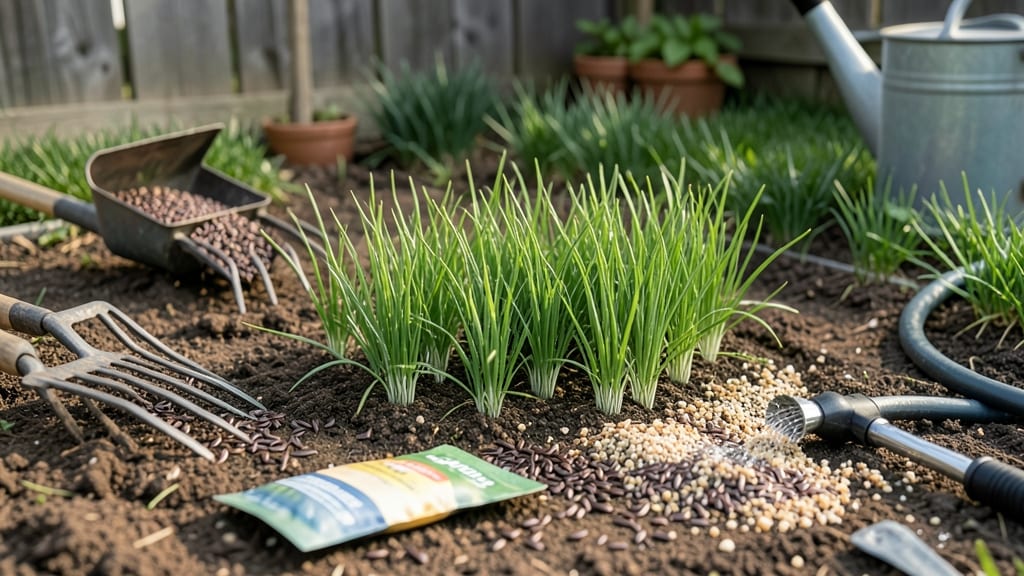
Planting your 🌱 Grass (Lawn) at the wrong time in spring can turn your dream of a lush green yard into a frustrating wait for patchy growth.
The best time to plant isn’t just about the calendar date—it’s about soil temperature, and getting it right means faster germination and a stronger lawn from day one.
If you’ve ever watched your grass seeds sit in cold, damp soil for weeks without sprouting, you know how discouraging it can be. The secret to fast results lies in waiting until the soil warms to the ideal range of 55–65°F (13–18°C), which varies by region.
For Zone 6a, that usually means aiming for early April, but timing can shift based on weather patterns.
In this guide, I’ll break down exactly when to plant for your climate, how to test soil temperature like a pro, and the 5 common mistakes that slow down germination.
Whether you’re in the Northern or Southern Hemisphere, you’ll learn how to give your lawn the best possible start—so you can spend less time waiting and more time enjoying your green space.
Ready to skip the guesswork? Let’s dive into the best strategies for planting grass this spring, so you can have that vibrant lawn you’ve been dreaming of—without the delays.
Ideal soil temperature for planting grass in spring (with exact degree ranges)
Timing your grass planting by the calendar alone can lead to disappointment. Instead, focus on soil temperature—the real indicator of success. Most cool-season grasses (like Kentucky bluegrass and fescue) need soil temps between 50°F–65°F (10–18°C) to germinate properly. Warm-season varieties (Bermuda, zoysia) prefer 65°F–75°F (18–24°C) for best results.
Why does temperature matter so much? Grass seeds require consistent warmth to break dormancy and sprout. If soil is too cold, seeds may rot before germinating. If too hot, they can dry out or fail to establish roots. The key is finding that sweet spot where moisture and warmth align.
Here’s how to check your soil temperature accurately: Use a soil thermometer (available for $10–$15) or a meat thermometer. Insert it 2–3 inches deep—the depth where seeds will be planted—and wait 30 seconds for a reading. Test in multiple spots for consistency.
For cool-season grasses, aim to plant when soil hits 55°F (13°C) consistently for 5–7 days. This usually falls 4–6 weeks before your last frost date. Warm-season grasses should wait until soil reaches 65°F (18°C), typically in late spring or early summer.
| Grass Type | Ideal Soil Temp | Best Planting Window | Germination Time |
|---|---|---|---|
| Cool-Season (Kentucky Bluegrass, Fescue) | 50°F–65°F (10–18°C) | Early Spring (4–6 weeks before last frost) | 7–21 days |
| Warm-Season (Bermuda, Zoysia) | 65°F–75°F (18–24°C) | Late Spring/Early Summer (after last frost) | 10–28 days |
| Ryegrass (Transition Grass) | 45°F–60°F (7–15°C) | Fall or Early Spring | 5–14 days |
🌱 Pro Tip: Test soil temp for 3 days in a row to confirm consistency.
If your soil is too cold, wait—don’t rush planting. Seeds won’t germinate until conditions improve. For example, in Zone 5 or colder, early March might feel warm, but soil temps could still be below 50°F (10°C).
Use a black plastic mulch for 1–2 weeks to warm the soil faster if needed.
Conversely, if soil is already above 70°F (21°C) in spring, you’re likely too late for cool-season grasses. Switch to warm-season varieties or wait until late spring/early summer. The 10-day forecast is your friend—plan to plant when temps will stay stable in your ideal range for at least a week.
Another critical factor is moisture retention. Warm soil dries out faster, so water deeply before planting to create a moist seedbed. Aim for 1–1.5 inches of water per week during germination, delivered in the early morning to reduce evaporation and fungal risks.
Remember, seed viability drops after 1–2 years of storage. Check your seed packet for a germination rate (ideally 80% or higher). Older seeds may need double the recommended rate for full coverage, but timing remains just as critical.
By focusing on soil temperature rather than calendar dates, you’ll avoid the most common spring planting mistakes. Next, we’ll explore how these ideal temps translate to regional planting timelines across the U.S. to help you pinpoint the perfect week for your lawn.
Spring planting timeline by U.s. climate zones (when to plant by region)
Your USDA hardiness zone plays a huge role in determining the best time to plant grass in spring. Cool-season grasses like Kentucky bluegrass and tall fescue thrive in the North, while warm-season types such as Bermuda and Zoysia dominate Southern lawns.
Timing isn’t just about the calendar—it’s about avoiding late frosts and ensuring soil warmth for germination.
For Zone 6a (like much of the Midwest), early spring—typically late March to early April—is ideal for cool-season grasses. But if you’re in Zone 8b (Southwest), warm-season grasses should wait until late April to May when soil temperatures consistently hit 65°F+ (18°C+).
Let’s break it down by region to help you pinpoint the perfect window.
| Zone Type | Grass Type | Best Planting Window | Soil Temp Goal | Key Tip |
|---|---|---|---|---|
| Northern (Zones 3-6) | Cool-season | Early April–Mid-May | 50–60°F (10–15°C) | Plant 4–6 weeks before last frost. |
| Mid-Atlantic (Zones 7-8) | Cool/Warm Mix | Late March–Early June | 55–65°F (13–18°C) | Overlap zones: plant cool-season early, warm-season late. |
| Southern (Zones 9-11) | Warm-season | Late April–June | 65–75°F (18–24°C) | Avoid summer heat—plant before temps exceed 85°F (29°C). |
If you’re in Zone 6a like me, aim for early April when soil temps hit 55°F (13°C). But watch for late frosts—they can stall germination. For warm-season grasses in the South, wait until May to avoid seed rot in hot soil.
Pro tip: Use a soil thermometer (just $10 at garden centers) to confirm temps before planting.
Regional differences matter, but soil temperature is the real deciding factor. For example, Bermuda grass in Zone 9 needs 70°F+ (21°C+) soil to germinate, while tall fescue in Zone 5 thrives at 50°F (10°C). Always adjust for your local microclimate—shady spots stay cooler longer, so plant them slightly later.
Don’t let calendar dates fool you—focus on soil warmth and frost-free windows. For instance, if your last frost is April 15 but soil stays cold, wait until May 1 for reliable germination. Patience now means a lush lawn in just 3–4 weeks, not months of frustration.
Need a quick rule of thumb? Plant cool-season grasses when daytime highs hit 60°F (15°C) consistently, and warm-season types when nighttime lows stay above 65°F (18°C). This ensures your seeds won’t rot or dry out before sprouting.