
Companion Plants
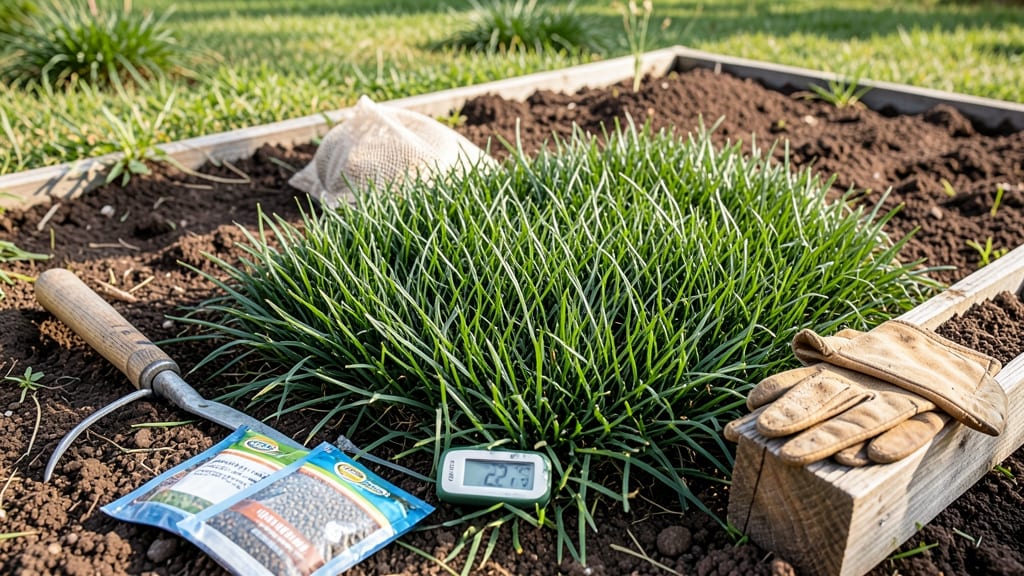
Planting Bermuda grass seed 🌱 in Texas at the wrong time can mean the difference between a vibrant lawn and wasted effort. The key isn't just picking a random month—it's waiting for the perfect soil temperature window to ensure fast germination and strong roots.
Texas' varied climate means your planting schedule should depend on your region, whether you're in North Texas or the Gulf Coast. We'll break down the ideal windows for both spring and fall, so you know exactly when to start your Bermuda grass seeds for the best results.
Did you know soil temperature is more important than air temperature for successful germination? Bermuda grass thrives when the ground reaches 65–75°F, and we'll show you how to check your soil's warmth before planting.
From preparing your lawn to post-planting care, this guide covers everything you need to know. Let's get your Texas lawn growing thick and green in no time!
Best planting windows for Bermuda grass seed in Texas by region
Texas’ diverse climate means Bermuda grass planting windows vary dramatically from North Texas to the Gulf Coast. In USDA Zones 8a–10b, timing depends on soil warmth, last frost dates, and rainfall patterns.
Plant too early, and seedlings risk frost damage; too late, and summer heat stalls germination. Let’s break down the ideal planting months for each region to ensure your lawn thrives.
For North Texas (Zones 7b–8a), the best window is late April to mid-May. This aligns with soil temperatures hitting 65–75°F and avoids the late spring frosts common in Dallas or Fort Worth.
If you miss this window, August to early September offers a second chance, though summer heat requires extra watering to keep seeds moist.
Central Texas (Zones 8a–8b), including Austin and San Antonio, has a slightly longer window: mid-April through June. The Hill Country’s drier climate means deep watering is critical during establishment. Fall planting (late August) is also viable, but hurricane season risks must be considered in coastal areas.
In South Texas (Zones 9a–10a), including Houston and Corpus Christi, year-round growth is possible, but spring (March–April) and fall (September–October) are optimal. Soil warms faster here, so March plantings can succeed if temperatures stay above 60°F.
The Gulf Coast extends this window even further, with January plantings feasible in Zone 10b.
Here’s a quick regional comparison to help you pick the right time:
| Region | Best Planting Months | Soil Temp Threshold | Key Risks |
|---|---|---|---|
| North Texas (Dallas/Fort Worth) | Late April–Mid-May August–Early Sept |
65–75°F | Late frosts, drought |
| Central Texas (Austin/San Antonio) | Mid-April–June Late August |
60–75°F | Hurricanes (fall), heat stress |
| South Texas (Houston/Corpus Christi) | March–April September–October |
55–70°F (earlier) | Humidity, fungal diseases |
| Gulf Coast (Zone 10b) | January–April August–November |
50–65°F (winter) | Salt spray, high humidity |
Pro tip: Use a soil thermometer to confirm temperatures before planting. Bermuda grass seeds won’t germinate below 65°F, even if air temps feel warm. In North Texas, wait until May 1 if April soil stays cool—a common mistake that leads to patchy growth.
For fall plantings, aim for late August in North Texas or September in South Texas. This gives seedlings time to establish before cooling temps slow growth. Just avoid planting after September 15 in North Texas, as first frosts can arrive by October.
Regional variations also affect watering needs. In dry West Texas, deep irrigation is a must, while East Texas may need fungicide pre-treatments to prevent disease in humid conditions. Always check your local Texas A&M AgriLife Extension for microclimate adjustments.
Missed the window? Don’t panic. Bermuda grass spreads aggressively via rhizomes and stolons, so even late plantings can fill in over time. Just water deeply and fertilize lightly to encourage root growth.
Soil temperature requirements for Bermuda grass germination in Texas
Bermuda grass seed won’t sprout reliably unless your Texas soil hits the right temperature range. Unlike cool-season grasses, Bermuda thrives in warm soil, ideally between 80–95°F for optimal germination.
Air temperature alone won’t cut it—you need to measure the ground’s warmth, which can lag behind daily highs by weeks, especially in North Texas.
Most gardeners make the mistake of planting too early, thinking warmer air means ready soil. But cold ground can stall germination for weeks or even kill seedlings. Use a soil thermometer (available at garden centers for under $10) to check depths of 2–4 inches—this is where seeds will germinate.
If your readings are below 65°F, wait at least another week.
Here’s why soil temperature matters so much: Bermuda grass seeds require consistent warmth to activate enzymes that break down their tough outer coating. Below 70°F, germination slows dramatically, while above 95°F, seeds may dry out before sprouting.
Texas’ summer heat can push soils into this risky zone, so late-afternoon planting (when soil is coolest) is often best.
🌱 Pro Tip: In South Texas, where soils warm faster, you can plant as early as late March if temperatures stay above 75°F. But in North Texas, wait until mid-May to avoid frost risks and ensure stable warmth.
🔥 Common Mistakes That Delay Bermuda Grass Germination
- 1. Planting too early – Soil below 65°F stalls growth. Wait for consistent warmth.
- 2. Ignoring afternoon shade – Direct sun can overheat soil above 95°F, drying seeds.
- 3. Skipping soil tests – Compacted or clay-heavy soil retains less heat. Aerate first!
- 4. Overwatering before germination – Seeds need moisture, but soggy soil suffocates them.
- 5. Planting at night – Cooler evening temps drop soil warmth, slowing sprouting.
If your soil thermometer shows fluctuating temps (e.g., 70°F during the day but 55°F at night), delay planting until readings stay above 75°F for 5+ days.
In Central Texas, this typically aligns with late April to early May, while the Gulf Coast can start as early as March 15 if conditions are ideal.
For a quick check, press your hand into the soil at 2-inch depth. If it feels warm but not scorching (like a hot bath, not a sauna), your Bermuda seeds are ready.
Pair this with consistent moisture (not flooding) and you’ll see sprouts in 7–14 days. Patience here pays off—rushing leads to patchy, weak lawns.
💧 Remember: Bermuda grass is a warm-season powerhouse, but it won’t tolerate Texas’ freeze threats either. If frost is forecast within 2 weeks of planting, switch to fall seeding (August–September) for safer germination.