
Plants
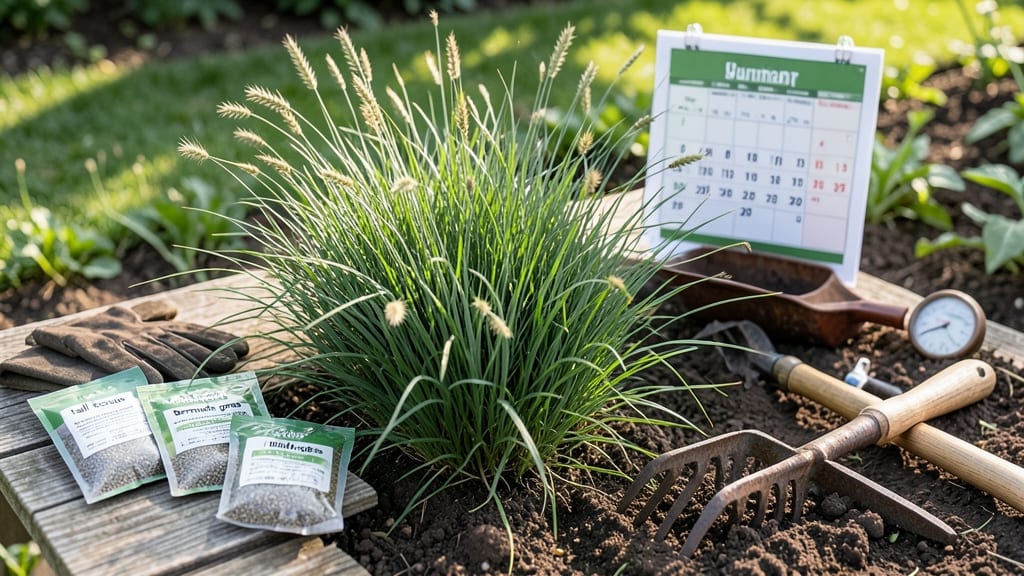
Timing your grass seed planting in Oklahoma isn’t just about picking a month—it’s about outsmarting the state’s brutal summers and unpredictable winters to grow a lawn that actually sticks around.
The wrong window, and you’re battling heat stress or frost damage before your grass even gets a chance to take root.
Here’s the secret: Planting in late summer to early fall (August through October) gives your 🌱 grass seed the perfect balance of warmth and moisture to establish deep roots before winter hits.
This isn’t just theory—it’s what separates a patchy lawn from one that thrives year after year in Oklahoma’s 6b-8a climate zones.
But it’s not just about the calendar. Soil temperature, rainfall patterns, and even your region’s microclimate (think Panhandle vs. Southeast Oklahoma) play a huge role.
I’ll break down exactly what you need to know to pick the best window for your yard, plus how to prep your soil and care for your new grass so it survives Oklahoma’s toughest weather.
Ready to skip the guesswork and plant with confidence? Let’s dive into the best months, step-by-step prep, and pro tips that’ll have your lawn looking lush in no time.
Best months to plant grass seed in Oklahoma (late summer to early fall explained)
Timing your grass seed planting in Oklahoma isn’t just about avoiding the scorching summers or freezing winters—it’s about leveraging the state’s ideal soil temperatures and moderate rainfall during the transition seasons.
The best time to plant grass seed in Oklahoma is from mid-August through October, when soil temps hover between 60-75°F—perfect for deep root establishment before winter dormancy.
This window works because Oklahoma’s USDA Zones 6b-8a experience cooler nights and lower humidity in fall, reducing stress on young grass. Early fall planting also allows seeds to germinate before first frost (typically mid-November), giving roots a head start for spring green-up.
For warm-season grasses like Bermuda or Zoysia, late summer (August) is critical—these varieties thrive when planted 4-6 weeks before first frost to establish before heat sets in. Meanwhile, cool-season grasses such as Tall Fescue or Kentucky Bluegrass prefer September-October planting for optimal growth.
| Grass Type | Best Planting Window | Soil Temp (°F) | Key Benefit |
|---|---|---|---|
| Cool-Season (Tall Fescue, KBG) | September–October | 60–75°F | Deep root growth before winter |
| Warm-Season (Bermuda, Zoysia) | Mid-August–Early September | 75–85°F | Avoids summer heat stress |
| Ryegrass (Overseeding) | Late September–October | 55–65°F | Winter color + spring boost |
Oklahoma’s microclimates play a huge role in timing. For example, the Panhandle’s arid conditions may push planting to early September to capture monsoon rains, while the Southeast’s humidity can extend the window into early November if soil stays warm.
Always check a 7-day soil temperature forecast before seeding—60°F+ is your sweet spot for germination.
Avoid planting in late spring (May-June)—Oklahoma’s 100°F+ heat causes seeds to dry out before roots establish. Similarly, winter planting (December-February) risks frost damage, though ryegrass overseeding in late fall is an exception for winter color and spring vigor.
Pro tip: Use a soil thermometer to confirm temps. If your lawn is in full sun, plant 2-3 weeks earlier than shaded areas—sun-warmed soil germinates faster. For sandy soils (common in western OK), water daily for 2-3 weeks post-planting to prevent desiccation.
For new lawns, aim for September 15-October 15—this gives grass 6-8 weeks of growth before winter slows it down. If you’re overseeding an existing lawn, late September is ideal to fill bare spots before cold sets in.
Remember: Oklahoma’s unpredictable weather means flexibility is key. If a heatwave hits in September, delay planting until temps drop. Conversely, if early frost threatens in October, plant ryegrass mixes for quick coverage. The goal? Strong roots before winter.
🌱
Best months to plant grass seed in Oklahoma (late summer to early fall explained)
Oklahoma’s ideal planting window for grass seed is late summer to early fall, specifically August through October. This period offers perfect soil temperatures (60–75°F) for germination while avoiding the extreme heat of summer or freezing winters.
Cool-season grasses like tall fescue and Kentucky bluegrass thrive when planted in fall, as cooler temps slow weed competition and encourage deep root growth before winter. Warm-season grasses like Bermuda or Zoysia can also be seeded in late summer for a head start.
Here’s why fall planting works best in Oklahoma’s USDA Zones 6b–8a:
| Month | Soil Temp (°F) | Grass Type | Why Plant? |
|---|---|---|---|
| August | 75–85°F | Warm-season | Avoids peak heat; seeds germinate with cooler nights. |
| September | 65–75°F | Cool-season | Perfect germination; roots establish before winter. |
| October | 55–65°F | Cool-season | Weed competition drops; moisture retention improves. |
If you miss fall, early spring (March–April) is your second-best option—but rush to plant before soil temps exceed 75°F, which can bake seeds. Oklahoma’s Panhandle (hotter/drier) may lean toward late summer, while the Southeast (humid) benefits from early fall to avoid fungal risks.
Avoid planting in June–July or November–January: summer heat stresses seeds, and winter frosts kill new growth. Use a soil thermometer to confirm temps—ideal range is 60–75°F for germination.
Pro tip: Test your soil’s pH (6.0–7.0 for most grasses) and amend with compost or lime 2–3 weeks before planting. This gives seeds the best start in Oklahoma’s clay-heavy soils.