
Companion Plants
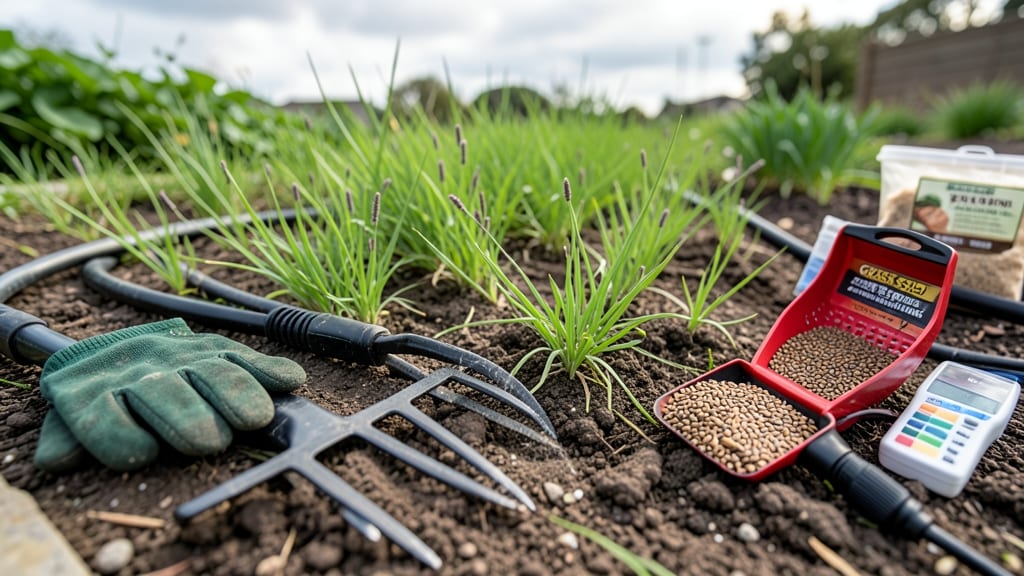
Planting grass seed at the wrong time in spring can mean wasted money and months of waiting for that lush, green lawn you dream of. The key to success lies in understanding your local climate and the perfect window when soil warmth meets frost-free conditions.
In USDA Zone 6a, where many gardeners live, timing is everything—too early and frost will kill your efforts, too late and summer heat can stress young grass.
Most gardeners make the mistake of rushing into planting as soon as spring arrives, only to face disappointment. The ideal moment arrives when soil temperatures consistently reach 55-65°F, signaling it's safe to sow your seed.
This usually falls between 4-6 weeks before your last frost date, giving grass enough time to establish strong roots before summer arrives.
If you're unsure when to start, don't worry—I'll walk you through how to check soil warmth and frost risk using simple tools and methods. You'll also discover the best grass seed varieties for fast spring growth and how to care for your new lawn in the weeks after planting.
Let's turn those brown patches into vibrant green spaces!
Whether you're a beginner or a seasoned gardener, getting the timing right makes all the difference. By following these steps, you'll avoid common pitfalls and set your lawn up for long-term success. Ready to transform your outdoor space? Let's get started.
Best spring planting timeline for grass seed by USDA Hardiness Zones
Timing is everything when planting grass seed in spring—too early and frost will kill your efforts, too late and summer heat stresses new seedlings. The key is planting 4-6 weeks before your last frost date when soil temps hit 55°F-65°F.
This ensures strong germination before summer arrives. Let’s break it down by zone so you can plant with confidence.
Your USDA Hardiness Zone determines your frost-free window. For example, Zone 3 gardeners (like those in Minnesota) should plant in late April to early May, while Zone 8 (Florida) can start as early as February.
Soil warmth is just as critical as frost dates—cool-season grasses like Kentucky Bluegrass need 50°F-60°F soil, while warm-season Bermuda grass thrives in 70°F+.
| Zone | Last Frost Date | Ideal Planting Window | Soil Temp (°F) | Grass Type |
|---|---|---|---|---|
| 3-4 | May 1-15 | Late April-Mid May | 50-60°F | Cool-season (Fescue, Ryegrass) |
| 5-6 | April 15-May 1 | Early April-Mid May | 55-65°F | Cool-season (Kentucky Bluegrass) |
| 7-8 | March 1-April 1 | February-March | 60-70°F | Warm-season (Bermuda, Zoysia) |
| 9-10 | January-February | January-February | 65-75°F | Warm-season (St. Augustine) |
*Adjust for microclimates (e.g., valleys vs. hillsides).
If you’re in Zone 5 or 6, aim for early April planting—this gives seedlings time to establish roots before summer heat. In Zones 7-10, plant in late winter to early spring (February-March) to avoid summer dormancy.
Pro tip: Use a soil thermometer to confirm temps before planting—cool-season grasses won’t germinate below 50°F, even if frost isn’t a threat.
Regional examples matter too. In Texas (Zone 8), plant Bermuda grass in March for a summer-green lawn, while Pacific Northwest (Zone 7) gardeners should stick to Fescue in April. Always check your local cooperative extension service for hyper-local advice—microclimates can shift planting windows by weeks.
Early spring planting (February-March) has advantages: cooler temps reduce weed competition, and consistent rainfall often follows. But late spring (May-June) works too if you’re planting warm-season grasses like Zoysia. Just avoid planting in July-August—the heat stresses seedlings, and they’ll struggle to root before winter.
One common mistake? Planting too close to frost dates. If you sow 2 weeks before frost, seedlings may not survive overnight freezes. Use the 4-6 week buffer rule to stay safe.
For example, if your last frost is May 1, plant by March 15 to ensure a head start.
Preparing your lawn bed in late winter (before planting) is just as important as timing. Loosen soil, remove debris, and level low spots—this ensures even seed-to-soil contact for uniform germination.
In my own yard, I till the soil in February and plant Fescue in early April, which gives me a thick lawn by Memorial Day.
Finally, don’t overlook seed variety. Cool-season grasses (like Tall Fescue) germinate faster in spring than warm-season types. If you’re in a transitional zone (e.g., Zone 6-7), consider a mix of cool and warm-season seeds for year-round coverage.
Always check the seed packet for days-to-germination estimates to plan accordingly.
With the right timing, your grass seed will sprout in 7-21 days (depending on variety and conditions). Stick to the zone guidelines, monitor soil temps, and you’ll be mowing a lush lawn by summer—no wasted effort or money.
How to check soil warmth and frost risk before planting
Before you rush to plant grass seed in spring, checking your soil temperature and frost risk is non-negotiable. Cold soil and late frosts can leave your seeds buried under ice or struggling to germinate.
I’ve learned the hard way—skipping this step means wasted seed and months of waiting for a proper lawn. Let’s fix that with simple, foolproof methods.
Start by using a soil thermometer, which costs under $10 and saves you from guessing. Stick it 2–4 inches deep (where seeds will be) and wait for a reading between 50°F and 70°F.
This range is ideal for most grass seed varieties to sprout consistently. If your soil is still below 50°F, wait a few more weeks—patience here pays off.
⚠️ Warning: Late Frost Can Wipe Out Your Lawn
Even if your soil is warm, a late frost can kill newly sprouted grass. Check your local frost-free date (usually 4–6 weeks before your last expected frost). Planting 4–6 weeks before this date gives seedlings time to establish roots before summer heat sets in.
Next, monitor your local frost forecast for the next 2 weeks. Websites like the National Weather Service or apps like Old Farmer’s Almanac provide free frost prediction tools. If frost is predicted within 10 days of planting, delay until conditions stabilize.
I once planted too early in Zone 5, only to see my seedlings freeze overnight—heartbreaking!
Look for three key signs your soil is ready: no frost in the forecast, consistent warmth (above 50°F for 3+ days), and moisture retention. Dry soil can trick you into thinking it’s warm, but grass seed needs moisture to germinate.
Water your soil lightly the day before planting to test its ability to hold water—if it drains too quickly, amend it with compost.
For extra peace of mind, use a frost cloth or row cover if you’re planting early in cooler zones (like Zones 3–5). These lightweight fabrics protect seedlings from unexpected cold snaps without smothering them.
I’ve used them in Zone 4 to extend my planting window by 2–3 weeks, and the results are worth it.
Finally, avoid planting when temperatures are above 85°F. Heat stress can cause seeds to dry out before germinating. If your spring is already hot, opt for shade-tolerant grass varieties like fine fescue or plant in late afternoon shade until roots establish.
Timing is everything—get it right, and you’ll have a lush lawn in 2–3 weeks.