
Plants
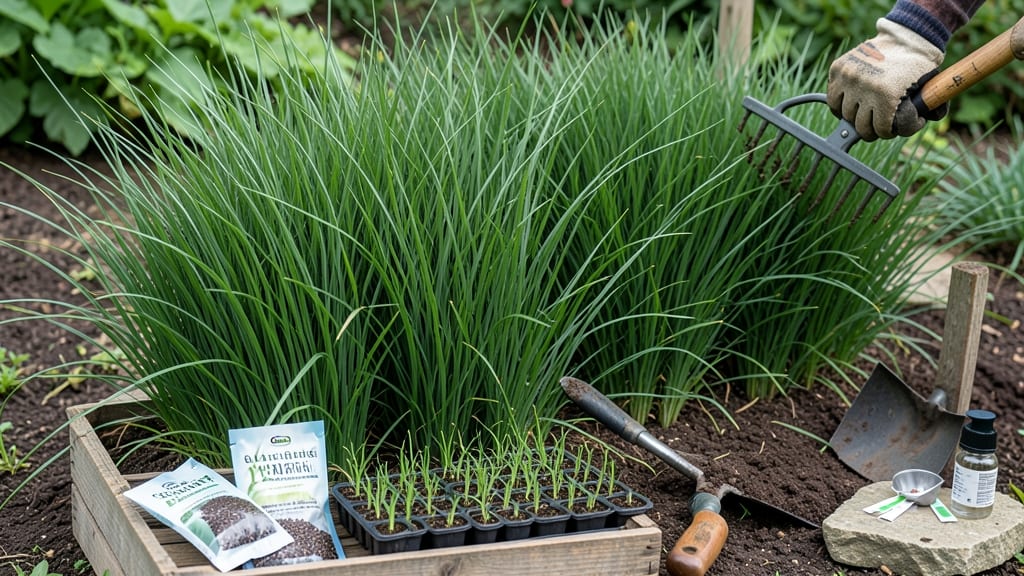
If you've ever struggled with patchy or weak fescue grass and wondered when to plant fescue grass in Georgia, timing might be your biggest challenge. Planting too early or late can leave your lawn vulnerable to heat stress, drought, or winter damage—especially in zones 7b-8b where temperatures swing wildly.
The ideal window for planting fescue grass in Georgia isn't just about months—it's about giving those roots 4-6 weeks to establish before the first frost hits around November 15. Late summer to early fall (August through October) is your sweet spot, but regional differences matter.
Whether you're in the Piedmont's rolling hills or coastal Georgia's humid heat, we'll break down exactly when to plant for your specific microclimate. You'll learn how to read your soil, adjust for rainfall patterns, and avoid common mistakes that sabotage even the best grass seeds.
Let's dive into the science behind strong, resilient fescue—so you can finally enjoy that lush, green lawn you've been dreaming of. The secret starts with the calendar, but the magic happens in the soil.
Best months to plant fescue grass in Georgia for maximum success
Georgia’s humid subtropical climate creates unique challenges for fescue grass growers. Unlike northern states, our long summers and mild winters demand precise timing to avoid heat stress or weak root establishment before winter dormancy.
The ideal window for planting fescue in Georgia is late summer to early fall, specifically August through October, when temperatures cool and rainfall increases.
This timing allows your fescue to establish deep roots before the first frost—typically around mid-November in most of Georgia. If planted too early (like May or June), your grass may suffer from heat shock, while planting too late (November or December) risks shallow roots before winter dormancy.
Let’s break down the best months and why they matter most for your Georgia lawn.
🌱 Key Insight: Fescue thrives when soil temperatures stay between 60°F and 75°F—perfect for Georgia’s late summer and fall conditions.
| Month | Why It Works | Soil Temp (°F) | Rainfall (in) |
|---|---|---|---|
| August | Warm soil, high humidity, and 6-8 hours of sunlight per day. | 75-85°F | 4.5-5.5 |
| September | Cooler temps (70-80°F) reduce heat stress; ideal for root growth. | 70-80°F | 3.5-4.5 |
| October | Soil stays warm enough for germination but cools for winter prep. | 60-70°F | 2.5-3.5 |
| June (Backup) | Only viable if irrigated daily to combat heat; higher risk of fungal diseases. | 85-95°F | 4-5 |
*Data sourced from NOAA Atlanta climate averages (2020-2023)
For North Georgia (USDA Zone 7a), aim to plant by September 15 to ensure roots establish before the first frost. In South Georgia (Zone 8a), you can extend planting until October 15, thanks to milder winters.
Coastal areas like Savannah may even push planting to early November, but avoid planting after November 1—your grass won’t have enough time to root deeply before winter.
Pro tip: If you miss the fall window, late winter (February) is a secondary option, but expect slower growth due to cooler soil. Always test your soil’s pH (6.0-7.0) and drainage before planting—Georgia’s clay-heavy soils can suffocate roots if not amended with compost or sand.
One common mistake I see is planting fescue in May or early June when the heat peaks. The grass struggles to germinate in 90°F+ soil, leading to patchy lawns.
To avoid this, water deeply 2-3 times weekly if planting in late summer’s heat, but shift to morning watering to prevent fungal growth from evening moisture.
Finally, consider your fescue variety. Tall fescue (like Kentucky Bluegrass mixes) handles Georgia’s heat better than fine fescue, which is better suited for shadier, cooler microclimates. Always check the seed bag for "Georgia-friendly" labels to ensure your choice matches your yard’s conditions.
With the right timing and prep, your fescue will outcompete weeds and thrive through Georgia’s humid summers and mild winters. Next, we’ll dive into how climate zones across Georgia further refine your planting schedule—especially for those in the Piedmont vs. coastal regions.
How Georgia’s climate zones affect fescue planting timing
Georgia’s diverse climate zones—from the coastal humidity of Savannah to the mountain chill of Blue Ridge—create wildly different conditions for fescue grass. Planting too early in Zone 8b can scorch seedlings, while waiting too long in Zone 7a risks weak winter roots.
Let’s break down the optimal windows for each region to avoid common pitfalls.
In North Georgia (Zones 7a-7b), where frost can arrive as early as mid-October, aim to plant fescue between late August and early September. This gives roots 6-8 weeks to establish before dormancy.
Meanwhile, South Georgia (Zone 8a-8b) can extend planting until mid-October, thanks to milder winters and later frosts.
🌱Pro Tip: Check your local USDA frost map—planting 4-6 weeks before the first frost date is your golden rule for Georgia.
Georgia Climate Zones & Fescue Planting Windows
| Zone | Region | Ideal Planting Window | Key Risk |
|---|---|---|---|
| 7a | North GA (Blue Ridge) | Late August - Early September | Early frost |
| 7b | Piedmont (Athens, GA) | Late August - Mid-September | Heat stress |
| 8a | Central GA (Macon) | Late August - October | Weed competition |
| 8b | South GA (Savannah) | September - Early October | Humidity stress |
🌡️ Temperature Threshold: Avoid planting when daytime temps exceed 90°F—seedlings can’t germinate effectively.
If you’re in coastal Georgia, where humidity lingers year-round, prioritize September planting to avoid fungal diseases that thrive in wet, warm conditions. For mountain regions, focus on August to beat the first frost, which can arrive as early as October 15 in higher elevations.
💡 Regional Hack: In Zone 8b, consider a late-summer overseeding (June-July) for quick cover before winter. Just water deeply to prevent drought stress—Georgia’s summer sun is no joke!
Miss the window? Don’t panic. Spring planting (March-April) is possible but riskier—seedlings compete with weeds and may struggle to establish before summer heat sets in. For best results, stick to fall and let Georgia’s cooler temps work in your favor.